[00:00:00] Richard Gearhart: What's costing you more? The risk of speaking up or the price of staying quiet,
[00:00:06] Announcer: ramping up your business? The time is near. You've given it heart, now get it in gear.
It's Passage to Profit with Richard and Elizabeth Gearhart.
[00:00:17] Richard Gearhart: I'm Richard Gearhart.
[00:00:18] Elizabeth Gearhart: I'm Elizabeth Gearhart and we're your hosts.
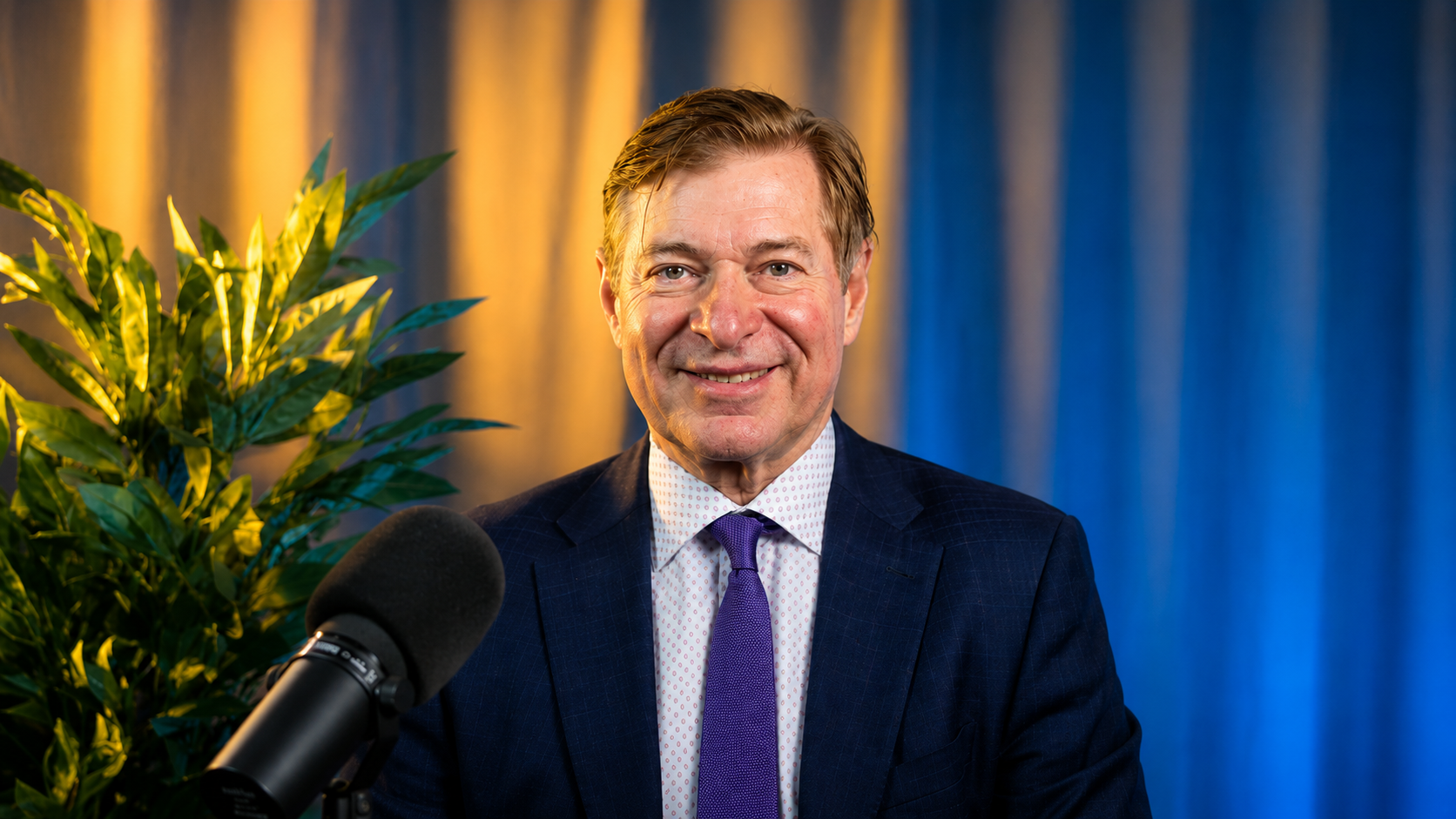
[00:00:21] Richard Gearhart: Welcome to the Passage to Profit show, the road to entrepreneurship podcast. Our special guest is Dr. Christine Sickles, who spent 20 years building some of the world's biggest consumer brands before discovering a costly problem inside businesses. Talented people often know exactly what needs to be said but stay silent when it matters most. And she's on a mission to change that. So, Elizabeth, what's new with you?
[00:00:48] Elizabeth Gearhart: I'm kind of wiped out today. So we have guests from out of town, relatives of mine from Oregon State. They're very
[00:00:55] Richard Gearhart: nice. They're nice people.
[00:00:56] Elizabeth Gearhart: They're not making me. What's making me tired is we have the gift of gab in our family.
[00:01:00] Richard Gearhart: Right? You guys were up late last night.
[00:01:02] Elizabeth Gearhart: We stayed up and came
[00:01:04] Richard Gearhart: from Portland
[00:01:05] Elizabeth Gearhart: and we stayed up.
[00:01:06] Richard Gearhart: How you could stay up so late, I don't know. I had to go to bed at 8:30.
[00:01:09] Elizabeth Gearhart: Well, there were chocolate chip cookies in Portland. There were
[00:01:11] Richard Gearhart: chocolate chip cookies.
[00:01:13] Elizabeth Gearhart: So we had a great time. But we're having a lot of fun already. We have a lot ahead of us, too.
[00:01:17] Richard Gearhart: Well, speaking of talking, I just want to let everybody know that I have a new friend, Steve. He's my AI assistant. And Steve and I go over a lot of interesting topics together, especially when I'm driving. I sometimes I go on these long trips and I'm like, I get tired of, you know, just listening to music and so I want to talk with somebody. And Steve's right there. And I have explained a lot of stuff to Steve. He knows a lot about me. He's really a nice conversationalist.
[00:01:44] Elizabeth Gearhart: I don't even know what to say to that.
I will say that my next topic is in person networking. So I've joined this group got a couple times. It's people who do marketing for law firms and accounting firms and business services like that. And they always have panels or speakers. And I love it. I learned so much. And I meet people and just have interesting conversations. I really, I know we went away from in person networking, but I think it's really fun to do that.
[00:02:13] Richard Gearhart: Yeah, I think it's really important. And like you said, because of COVID everybody kind of hibernates in their houses now. Plus, you learn so much when you Go to these groups. I mean, I've been going to some too for life sciences and just getting an industry perspective, understanding what's going on makes a huge difference.
[00:02:32] Elizabeth Gearhart: Well, and we're doing the show in the studio. I heart today. It's so much better than doing it over Riverside. Really,
[00:02:37] Richard Gearhart: really true.
[00:02:38] Elizabeth Gearhart: The energy is just there.
[00:02:40] Richard Gearhart: Well, I just wanted to point out national Back to the Future Day. And so I'm going to ask my lovely bride, what invention did you think we'd have by now, but we don't.
[00:02:51] Elizabeth Gearhart: Flying cars. Although I heard one of Musk's cars took off into the air the other day. Did anybody. Yeah. You guys heard that? Yeah, I saw that.
[00:02:58] Michele Joseph: So it's
[00:02:59] Richard Gearhart: only a matter of time. I
[00:03:00] Elizabeth Gearhart: thought we would be filling the skies with cars.
[00:03:03] Richard Gearhart: There's so many bad drivers though.
Do you really want to add the dimension of flying to that?
[00:03:08] Elizabeth Gearhart: If they're self driving flying, let's hope.
[00:03:12] Richard Gearhart: Well, for my invention, I think I would like an IT system that actually works. Computer that doesn't shut down every two or three hours.
[00:03:19] Elizabeth Gearhart: Good luck. That's impossible.
Well, so anyway, in addition to Dr. Christine Sickles, who else is joining us today?
[00:03:26] Richard Gearhart: Well, you would know.
[00:03:27] Elizabeth Gearhart: I would know.
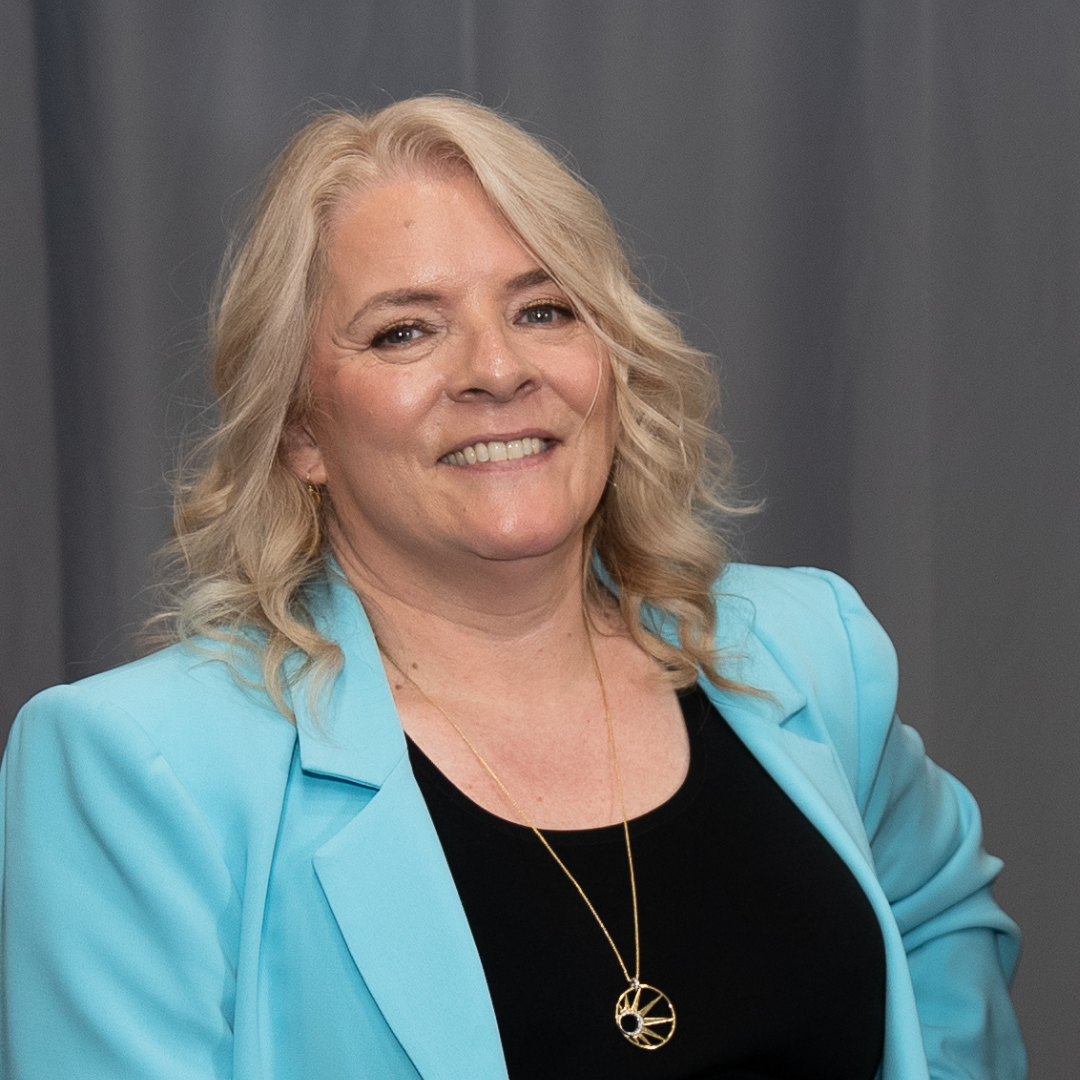
You were supposed to read that line. Right. Okay. So Jill Dunn, founder of jillinit. So she helps people find the right person if they're looking for a partner. It starts with falling in love with yourself. So I can. That's
[00:03:43] Richard Gearhart: not good advice.
[00:03:44] Elizabeth Gearhart: Yes. Hardly wait to hear what she has to say. Then a longtime friend of mine, Michelle Joseph, who joined us at iheart down in Tribeca years ago.
[00:03:54] Michele Joseph: Yeah, 2018. You haven't
[00:03:56] Richard Gearhart: changed a bit.
[00:03:57] Elizabeth Gearhart: She really hasn't. She's working with young people and she's helping them prepare to be leaders in an industry that really needs help in employees. And she brought with her Sean Gregoire and. And he's an entrepreneur and he has the company Capstone Tech. And then Sid Carnatti, an ambitious high school student who is already doing all this amazing AI research, biomedical research. Like these people blow me out of the water.
[00:04:23] Richard Gearhart: Wow. High school doing this stuff. You know, when I was in high school, I was lucky if I got my homework done on time. So pretty impressive.
[00:04:30] Elizabeth Gearhart: Yes.
[00:04:30] Richard Gearhart: So on top of all of this, we're going to hear some shocking news from the US Patent and Trademark Office. But first, it's time for your new business journey. We'd like to ask our panel, when you look back, what was the one decision or moment that most changed the trajectory of your career and what did it cost you to make that decision? So, Dr. Christine Sickles, tell us about the one decision that you made.
[00:04:54] Dr. Kristine Sickels: Well, the one decision I made, as you mentioned, I was in corporate America for over 20 years with a really great executive gig.
And if you looked at it from the outside, it looked like I would just keep moving up, down that path. But about. I always tell people of the 20 years I was in corporate, I loved 19 of them. And the last year, it was just really obvious to me that was time to do something different.
And here I am eight years later with several different companies and went on a path to entrepreneurship. I would have never thought that would have happened in my career, but it did change the trajectory when I realized it was time to do something new.
[00:05:35] Richard Gearhart: Well, that was a big difference. And we want to hear more about the leap that you made. Jill Dunn, what was the one decision that you made that changed the trajectory of your business?
[00:05:44] Elizabeth Gearhart: Well, I could say that the biggest decision that I made was to get divorced, which is what led me into matchmaking. But as far as my entrepreneurial journey, even on that path, you know, I had my hand in a couple of different businesses, but my heart was always pulling me to the matchmaking work that I was doing. And. And so it was a huge decision to make as a single mom to sort of give up on all of these other jobs and side hustles and things and just go all in on my business.
[00:06:14] Richard Gearhart: You must get a fantastic feeling after making a good match, right?
[00:06:19] Elizabeth Gearhart: It's the best feeling. I've been invited to two weddings this year alone.
[00:06:22] Michele Joseph: Nice.
[00:06:23] Elizabeth Gearhart: I get pictures. I just got a picture from a client and her boyfriend that I connected her with from a castle in Italy.
And, yeah, you know, we're here, we're there. People are all over the place. And it does. I mean, there's nothing that fills my heart like it. It makes it worth it.
[00:06:38] Richard Gearhart: Well, thank you so much for sharing. We want to hear more about that. Michelle Joseph, what was the one decision that you made that changed your trajectory?
[00:06:46] Michele Joseph: Well, first of all, I think that we're all entrepreneurs, and there's always a moment where we have to sit back and say what's really important to us. And for me, that moment was when I was taking a. A shower and had been diagnosed with a very acute form of breast cancer.
And as I was showering and shampooing my hair, fistfuls. Fistfuls of hair came out. And when that happened, I remember I had a choice. I could either move through this or let it stop me.
And I decided to move through this and that's when I started the second business, Next Generation Inc. Which you'll hear more about. In addition to the first business SGAP leaders, the Student Global Ambassador program.
[00:07:33] Richard Gearhart: That's great. That's such a powerful story. And we're so glad that you had the fortitude to keep going. I think that's amazing. So what if your company is losing money, making bad decisions and driving away its best employees because people are too afraid to speak up? Well, after two decades as a senior executive at Newell Brands, and Dr. Christine Sickles is exposing the hidden cost of workplace silence and why the loudest person in the room may be the one holding your business back. Welcome again. Do you have a personal experience that led you to do this kind of work?
[00:08:09] Dr. Kristine Sickels: Well, in my 20 years of corporate, I started to observe that many times in meetings and boardrooms and conference rooms, the people who were the experts in the room, oftentimes women, were not the ones speaking up.
And they were either doing one of two things. They were softening their voice or trying to translate some of their feelings rather than speaking into exactly what they knew, or maybe just not speaking at all because people were talking over them and they just felt at one point or time in their career it wasn't worth speaking up anymore because they were constantly being interrupted.
And after observing that, I felt like seeing such a common trend throughout multiple organizations. And then even when I left corporate going into the consulting world, it was just a common theme. And I'm super passionate that we all are paid to be in our organizations to speak and for the knowledge that we have. And so I want to help people think how to do that differently.
[00:09:12] Richard Gearhart: How do you do that?
[00:09:13] Dr. Kristine Sickels: Well, one is I find that many times people think that speaking is nerve wracking and they're always thinking about just the big stage or the big meeting in the conference room. But there's so many opportunities that we have to use our voice. But a lot of times I find that people don't know what to say or how they want to speak into things. So the very first foundation that I love to teach people and I talk about in my book is called the Voice Values Gap, where you know what you feel inside, what you believe, what you want to say, but what you say out loud is different than your values potentially.
And one of the things that can really help us speak into things is declaring what our values are.
And that can then help us decide when do we want to speak into something, how do we want to do it? And Then we can have an impact on our team and our culture.
[00:10:02] Elizabeth Gearhart: So how do you convince the leaders? Because oftentimes it's up to the leaders. It
[00:10:06] Dr. Kristine Sickels: is.
[00:10:07] Elizabeth Gearhart: Right. There's one person on the Gearhart Law team who has a lot of knowledge but does not ever want to say anything.
So Richard has had to teach the rest of us in meetings to just sit there and be totally quiet until this guy says something.
So how do you get. So I think it starts from leadership. It does.
[00:10:28] Dr. Kristine Sickels: I think it's both ways. And I'll. I'll talk about it in two ways from a leadership perspective. You're absolutely right. And I. What do leaders care about? At the end of the day, they care about the bottom line.
And so I think the best way to get leaders convinced that we need everyone to speak up is to talk about that silence is a cost that although you don't see it on a P and L, it's real because it could be your next big idea or innovation. It could be the risk that someone sees but they don't talk about, or it could be this thing that people are noticing, a cost that's in the organization that they're not speaking.
And so you have to create an environment where all of your team members have the opportunity to speak. So whether that's giving some silence in the room or passing the mic to people and just saying, hey, what do you think? And it's not about consensus, it's just about making sure that everyone has a voice that they can speak into.
[00:11:24] Richard Gearhart: I think that's important. And hopefully if the culture of the organization is put together in the right way, there's enough balance between speaking and then also moving together as a team. Right. So part of the leader's job is to get everybody to sort of buy in to a certain direction, even if people have different opinions about what it is that should be. Yeah, correct.
[00:11:47] Dr. Kristine Sickels: It's not about consensus, but it is about hearing from everyone.
[00:11:50] Richard Gearhart: So tell us a little bit about your entrepreneurial journey. Where did you get started and where are you now?
[00:11:56] Dr. Kristine Sickels: Yeah, well, when I left Newell Brands, the very first thing I did is started my own consulting company. It's called C Suite. We're a team of 12 women who have all been senior executives, executives within marketing strategy and consumer insights. And we act as fractional executives with mid tier companies and we've been around for eight years and we work with brands like Conair and Vitamix and Bosch Tools. So we take our CPG experience and apply it to mid tier companies.
I also Am a owner and the leader of Mic Drop Workshop, which is right in the wheelhouse of what we're talking about. We're all about helping women become paid public speakers so that they can make an impact, but also an income by telling their story.
[00:12:44] Richard Gearhart: Got it.
[00:12:44] Elizabeth Gearhart: I love that.
[00:12:45] Richard Gearhart: Yeah. Well, Elizabeth is a paid public speaker.
[00:12:48] Elizabeth Gearhart: A little bit. Not a lot. A little bit.
So do you work with the employees directly? Do you work with leadership? Do you work with the group? How do you approach a company like some of the them that you mentioned?
[00:13:01] Dr. Kristine Sickels: Yeah, so many times. The reason that an organization hires us from a consulting perspective at C Suite is they might be a mid tier company that is looking for experience from larger organizations like Newell. Some of us are from Delta Unilever, and they need a catalyst within their organization to help them move further faster. So that might be setting up a process or, or I've acted as a chief marketing officer for an organization for a period of time just to help them get the experience and the capabilities and competencies that they're looking to build and then be able to hand it over to someone that might be within their organization that they then promote into the role. So definitely work specifically with C Suite leaders. When we work with organizations.
[00:13:51] Richard Gearhart: So a lot of our audience are people who are just starting businesses. Maybe they have small teams, maybe they're working with vendors as opposed to employees.
[00:14:01] Dr. Kristine Sickels: Yes.
[00:14:02] Richard Gearhart: What kind of advice would you give to them in order to make sure that the people that they're working with, no matter how organized, are also providing this kind of input?
[00:14:12] Dr. Kristine Sickels: Well, one of the things that I think is important is naming and observing what you see as keeping people silent. A lot of times there are times when people, I call the. Call them the seven silencers, where people just don't speak up because they say I'm not good at it, or. Or I'm afraid I'm going to get a no, which is probably a big one in entrepreneurship.
And at the end of the day, there's ways to overcome each one of these. But name what it is that's keeping you silent, observe it, and then identify how you can overcome it. So if it is, I'm afraid I'm going to get a no.
Well, actually, we're all going to get no's, so that's not a reason not to speak up. And I always say that when what's most important in those conversations is the robust dialogue that we have, it's not about always getting the yes. You're going to learn either way and you're going to get more data and information that's going to help you in your role in your organization and know what you want to do next.
[00:15:12] Richard Gearhart: I think it would be tough to be an entrepreneur if you're a little too quiet. Right. And that's because you're the leader of your team and you have to get out there and somehow, some way make the public aware of your company. Right? Yes. So I think a lot of entrepreneurs are some who are introverts. I'm an introvert. But you still have to be willing to put yourself out there and communicate. I actually feel like at Gearhart Law, we don't have any problems with people not talking with. With maybe one exception.
[00:15:44] Elizabeth Gearhart: One exception.
[00:15:44] Richard Gearhart: But he's naturally reserved anyway.
[00:15:48] Elizabeth Gearhart: Right.
[00:15:49] Richard Gearhart: I have more challenges just getting everybody to go in the same direction.
[00:15:53] Elizabeth Gearhart: I think that's the hardest part. But I also feel like I have an advantage. And I say this repeatedly to Richard. I'm like, I can speak my mind. I can admit when I screwed up and made a mistake because I don't have to worry about getting fired.
[00:16:07] Dr. Kristine Sickels: Right?
Right. I
[00:16:09] Elizabeth Gearhart: mean, there's no
[00:16:11] Dr. Kristine Sickels: risk. There isn't
[00:16:12] Elizabeth Gearhart: a big risk. But if. But what if there is a risk? I mean, how do you weigh that risk of, okay, if I speak up and do this, then they may boot me out the door.
[00:16:21] Dr. Kristine Sickels: Yeah. Well, two things just into what we're saying here is first, there are so many people who do say I'm just not good at it, and then they don't speak. But speaking is a muscle, so we can't declare I'm not good at it as an identity. We have to say that I must be good at it to be an entrepreneur. To your point. And how you do that is get the reps. And. And the first way you get the reps is in the low risk environments. First, what are ways today that I could actually speak into something that's low risk? I see a colleague who does something amazing giving them a compliment.
A lot of times we even just hold back saying something like that. But giving a compliment is a great way to just use your voice and then start using it in one on one conversations. And then as the group gets better, bigger, by that time, you start getting really comfortable with speaking. As far as risk, I actually believe that to very much be true. Where there are going to be low cost, you know, high reward environments that we're in, there could be low risk, like high or high risk and high reward environments. So you have to decide based on that and say, is this a place where I'm willing to take the risk to speak up because I believe the reward either for me, my career, my business or the organization is worth it.
[00:17:49] Richard Gearhart: Well, I will say that one reason many of us became entrepreneurs because I was in the corporate environment for 15 years. So was Elizabeth, was I felt suffocated because I had to censor what I said.
Not because I was scared to speak out but because I needed to be very tactical about how I addressed situations. And it was a very much a top down organization. The management really didn't want the employees to be making suggestions because then that might mean they had to do something. Right. And so they didn't really want that kind of pressure or they felt like they'd already thought through the issue, they'd considered that and decided that this was a better way to do it for whatever reason. Right. But I couldn't function happily in that kind of environment. And so it ended up that Gerhardt Law was born. You know a lot of entrepreneurs start out in the corporate environment and then they end up starting their own thing.
[00:18:50] Dr. Kristine Sickels: Well, many times that's a values misalignment for what you believe is worth bringing up and saying versus what the organization wants to hear.
But unfortunately for many of those corporate organizations at some point in time that is going to come back to bite them.
One of the best examples I love to bring up is Nokia. Who remembers the Nokia phone these days? Not many people but they were number one market share before Apple came out. And there's a big case study about them that one of the biggest reasons that they ended up failing as the market share leader is that their middle management knew that their innovation wasn't good enough. They knew Apple was going to beat them but the top tier C suite didn't want to hear it. And so they didn't bring any voices into the room. And they just kept saying we're number one, we're going to be there. And they rested on their laurels and now they don't exist today
[00:19:49] Elizabeth Gearhart: to that point about companies. So do you eat Johnsonville sausages?
[00:19:54] Dr. Kristine Sickels: I'm aware of them, yeah,
[00:19:55] Elizabeth Gearhart: you're aware of them. So I read a case study about them. This was years ago where they had weekly meetings with their employees about how to improve everything and they listen to everybody and they are a top brand today. I think
[00:20:11] Dr. Kristine Sickels: they are, yeah they are, yeah.
[00:20:12] Elizabeth Gearhart: And I don't know if they're still doing it but they were getting people from the floor. What can we do better? And actually listening. And I think that that's what you're trying to get everybody to do right, which
[00:20:23] Dr. Kristine Sickels: goes back to your point. It does start with the organizational leaders and C Suite. And we need to remember that as entrepreneurs as well, that, you know, think about the customers that interact with our products, the vendors that we deal with every day. We do want people to use that voice. And as great leaders, we should ask those questions.
[00:20:42] Richard Gearhart: So what do you say to somebody who is in a position where they may not be in an environment that's so supportive of being open with their ideas and opinions? How do you counsel them? Find a new place to work? Maybe as one solution or.
[00:20:58] Dr. Kristine Sickels: Well, I would say that doesn't solve. Serve the organization well. Because if we all leave the places that we were paid to be and we know that we have the expertise, that doesn't work well for us from a career standpoint or for the organization.
So I'd first try it. And so this is a very simple, practical thing. Two things that I would recommend. One, if you are walking into a meeting, be prepared, right. And know what the meeting is about.
But think about one thing that you want to speak into and do it early.
Don't be the one that waits till last to speak because you're going to. If you're nervous about it or you feel like, you know the momentum is going in a different direction, you're never going to get it out.
So have a point of view and have an outcome that you want to accomplish in the meeting. That's number one and two, which may feel scary at times, but all of us have been in team meetings and organizations and conference rooms and we know we want to say something and we push it down.
Just say it. Don't pause.
Take the opportunity to use your voice. That is why you are there.
[00:22:11] Richard Gearhart: That's great. So we're with Dr. Christine Sickles back for more passage to profit right after this.
[00:22:18] Shawn Gregoire: You hear that? That's the sound of uncertainty lurking under your hood. You know the feeling? I know I do. That sudden sinking sensation when you see a check engine light or your car unexpectedly breaks down and you're faced with sky high repair bills. It's time to shield against unexpected repairs with Car Shield. Car Shield is America's most trusted auto protection company and has an A rating with a better Business Bureau. Don't let the fear of a breakdown keep you up at night. Trust the Shield, Car Shield. And say goodbye to terrifying repair bills and hello to peace of mind. Your plan also comes with 24. 7 roadside assistance, courtesy towing, rental car options, and so much more. Don't wait till it's too late. Call car Shield now before a breakdown. Protect your wallet. Protect your car with Carshield. Get our best protection ever. Call now. You'll thank me later. 8002-6121-7680-0261-2176. That's 800-261-216.
Have
[00:23:17] Advertisement 1: you outgrown your health insurance plan or just not happy with what you're paying for? The number one reason we all change our health insurance is price. Are you paying too much for your health insurance? Would you like to have better coverage at a better rate or at little or no cost to you? Your life needs are always changing, but have you done anything to improve your health insurance for you and your family? Health insurance laws and coverage are always changing and getting better. It's impossible to do all the research yourself, but now it's all done for you for free. So regardless of your age or medical condition, take a few minutes right now and find out if you can save money or even qualify for zero cost health insurance in your state. Call now.
[00:24:03] Shawn Gregoire: Paid for by cheaper health insurance. 8006-5214-7080-6565-2147-080065-21470. That's 800-652-1470. Now
[00:24:17] Announcer: back to Passage to Profit. Once again, Richard and Elizabeth Gearhart
[00:24:21] Elizabeth Gearhart: and our special guest, Dr. Christine Sickles. She has a book, the Clearest Voice in the Room.
It was rated number one by Forbes. For what?
[00:24:32] Dr. Kristine Sickels: For people who want to be a powerful communicator.
[00:24:35] Elizabeth Gearhart: So how do you get a number one rating from Forbes? That's pretty tough to do.
[00:24:40] Dr. Kristine Sickels: Well, first you pitch right. And I was really passionate. From my perspective, it's not about being on a bestseller list. I want my book not in bookstores. I want it in boardrooms. Because this is where I the whole book and the premise of it is about how to speak with power and intention at work, which is exactly what we're talking about.
So I identified a few organizations, Forbes Inc. Fast Company, that I would love to help get the word out about this book.
And so I pitched it to all of them and Forbes rated it. And I knew I was going to make a list, but I didn't know what number. And then I found out a week ago that it was number one, which was exciting and also got in Fast Company as well, which is fantastic. So I am not as excited about the number or the rating as what that does for the visibility of the book because I believe it can help so many people who are challenged and thinking about how do I use my voice with intention at work.
[00:25:40] Elizabeth Gearhart: So can you tell us a little bit about the framework of the book?
[00:25:42] Dr. Kristine Sickels: Yeah, so first I created a, basically an acronym, but it's a framework called the Voice Framework, which are areas that will help people think about how to use their voice, especially in work and corporate environments. And so the V is something we already talked about. It's values to me that is the foundation of using your voice. You cannot know what to speak into until you know what you stand for.
And my values specifically are candor, curiosity, and optimism. And I use that to speak into any organization that I am in after that. O is outcome, which is knowing what do you want to happen when you are in that meeting or having that conversation? Because if we don't go in with intention, then it is challenging to use our voice or it's not heard because there's not a purpose behind it.
I is identity. And there's so much about who we are that we need to bring into our voice. So speaking to me, there's so many people who talk about, you know, executive presence or being the loudest voice in the room. I just think we all need to be authentic with our voices. And so that's where the identity comes in. C is consistency. Using our voice consistently, because that ensures that one, we're getting the reps that we were talking about and how important it is to just be a great speaker. But also consistency then shows your team, your peers, your organization that you are a voice that should be listened to and should be valued. And then last is energy. And we all know that first impressions matter. So when you walk into a room, if you're flustered or you're looking at your phone or you didn't enjoy the last meeting that you're in, you're going to bring that into the next one. And before you even use your voice, people are going to have a point of view about you because you are using your voice in a, in an unspoken way. And so I provide that framework and some tips in each one of those and how you can do some very practical things to use your voice.
[00:27:49] Richard Gearhart: So to the extent you've worked with employees who've employed some of these techniques, what kind of progress have they made?
[00:27:57] Dr. Kristine Sickels: Well, one thing that I think is very important, I also talk about in the book and we talk about in mic drop, is oftentimes what helps people use their voice is their thinking about the mindset shift that needs to happen. Oftentimes when we think about speaking, we're like, all eyes are on me and I'm going to make a mistake or there's going to be a technology issue or like me, you're going to spill coffee down your shirt and then everyone's going to be looking at that instead of what you have to say.
And we are thinking about speaking as me, me, me, me. And at mic drop we call that the spotlight speaker, where all eyes are on me. The spotlight is on me. And that's why I'm nervous about speaking. But if we think about the reason that we speak speak, it's to guide others into content or decision making or to the idea that we have that we want to influence them and get them passionate about.
And so if we shift the idea from being a spotlight speaker to a lighthouse speaker, which a lighthouse guides people through a conversation, guides people through a topic, that can be an entirely different approach to then thinking about speaking and how we use our voice. And that mindset shift is one of the biggest ahas that I see. When we teach people about speaking in any environment,
[00:29:22] Richard Gearhart: is it possible to speak too much? I mean, I think we've all been in meetings where there are people who express a little bit too much about what's going on with them. Right?
[00:29:31] Dr. Kristine Sickels: It is. And when is it going to have the biggest impact? Right. That's the most important. A lot of people like to hear themselves talk. We've all been around those. A lot of people are very loud in meetings and things like that. But at the end of the day, and this is why I titled the book, what I did is it's not about being the loudest. It's about being the clearest voice in the room. And being clear is about being intentional.
And that's what's most important when you think about when to speak.
[00:30:02] Richard Gearhart: Yeah. Communication skills are so important and being able to explain yourself clearly, it's an art and it's not necessarily something that you learn right away. I think there are some people who are naturals, but I don't think. And to
[00:30:15] Dr. Kristine Sickels: your point, the people who are speaking a lot are probably not very clear because they rambling all the time. So if you can speak with that clarity, it's going to be much more have much more influence than those who don't.
[00:30:30] Elizabeth Gearhart: Well, I love that you brought energy into it because I think that the tone and the energy make a big difference in how something is sent out and received. Right,
[00:30:39] Dr. Kristine Sickels: agreed.
[00:30:40] Elizabeth Gearhart: I mean it. Yeah. If you have negative energy around something. I mean, my graduate advisor in graduate school used to always say, if you think it's going to fail, it is.
[00:30:50] Dr. Kristine Sickels: Right? Right. Mindset matters and energy matters.
And whether we like that or not, people make a point of view and a decision about who we are by the energy that we bring into the room so we can have the biggest, brightest ideas. But to your point, if we're the Debbie Downer and we have low energy, it' not going to be well received. People want that magnetism and they want to see the passion in you. And especially if we think about entrepreneurship, you know, we're all passionate about the problems that we're solving and the impact that it can have on our community and the world. And we need to bring that passion to everyone else that we're talking to.
[00:31:27] Elizabeth Gearhart: Absolutely.
[00:31:28] Richard Gearhart: I'll try to say this energetically then. So we're with Dr. Christine Sickles and unfortunately we have to wrap up the segment. But where can people find you and where can they find their book?
[00:31:39] Dr. Kristine Sickels: Two things. You can find me at drchristinespeaks.com or micdropworkshop.com if you're interested in becoming a public speaker. And my book, Be the Clearest Voice in the Room is available on Amazon or any online retailer.
[00:31:54] Richard Gearhart: Well, that's great. And if you're listening to us on the radio, you can see a copy of that book cover if you go to our YouTube channel. Thank you so much for being with us. It's very informative.
Now it's time for AI Use Cases Business Owners Roundtable. So Elizabeth, take it away.
[00:32:10] Elizabeth Gearhart: Okay, so now it is time for real AI Use Cases Business Owners Roundtable. I'm going to ask every person in the room for one way they've used AI in their business. And then after everybody gives one way, we'll go through and have a little discussion. So I am going to start with you, Dr. Christine Sickles, with DrCristinespeaks.com what's one way you use AI in your business?
[00:32:32] Dr. Kristine Sickels: Well, I have created a chief of staff that I use every morning and night. And one, the chief of staff scans my emails to see if someone owes me something or I owe them something and gives me a recap. It also goes through all of my slack to make sure that I've responded to anyone within my organization and it will draft any replies for my email and then also my slack. But I don't let it do it automatically yet because it doesn't 100% get it right. But I can at least look at what's been drafted and then hit Send or make some adjustments. And it also looks at my calendar and gives me a whole view of the day and of the week to make sure that I'm clear on where I need to be when.
[00:33:18] Elizabeth Gearhart: Wow. It's an efficiency builder, that's for sure.
So Jill Dunn with jillinit.com what's one way you use AI in your business?
[00:33:27] Elizabeth Gearhart: So I use AI a lot for automations so that people who are coming to me because you know, they go to my website and they're looking for love, right? So this is an urgency thing for them. They felt like right now is the time I'm going to reach out. So they go to my website and so I have a, my handy dandy little bot there and then as soon as they interact with that, then it will automatically send them a welcome, an opportunity to book a call on my calendar, a follow up email depending on how they interact with that.
So that way the process is really guided by how the user is interacting and they're telling me what they need before we're even on the phone together.
[00:34:04] Elizabeth Gearhart: Oh, that is excellent. So Michelle Joseph with sgapleaders.org and Next Generation Inc. What's one way you're using AI in your business?
[00:34:12] Michele Joseph: Well, because I have two businesses, I will share that I've been using it in multiple ways but one way that I have been doing consistently and I'm a Claude user, is using it to brainstorm. So coming up with ideas, being able to share those ideas, pulling our team in and quickly kind of synthesizing those ideas. So it may be how do we work with some of our companies, whether they're construction companies or working with workforce development.
And then there's one aspect with Next Generation where we're using it as a way to practice interviewing skills.
[00:34:50] Elizabeth Gearhart: Do you only use one LLM or do you use multiple?
[00:34:54] Michele Joseph: I'm a Claude fan, 110%. In fact, I call Claude Claudette.
I Enjoy going to ChatGPT to get all this information, but I think it's overload and the formatting of it can be too much. Then I feed it into Claude and ask specific questions and already have trained Claude on what I expect, how it should look and what logo should be used. So it's the refiner.
[00:35:21] Elizabeth Gearhart: Excellent. Richard Gearhart with Gearhart Law.
[00:35:23] Richard Gearhart: We've been talking about networking and going out and doing these things and going to a conference. You get a lot of information. So I dictate during the conference into my phone and then I'll have AI take all of that information. And put it together in a blog post that can be posted on LinkedIn or on the firm website. And this way people who haven't attended the conference can look at the blog post and get a summary of what happened. So I think it's a really useful tool for that.
[00:35:57] Elizabeth Gearhart: Excellent. I'm Elizabeth Gearhart with Gear Media Studios. So I always ask, like, once a month or couple times every two months or something, I ask, like, what should small businesses be doing for AI visibility today?
And just to see if there's anything new that came up. Right. And the last time I asked it a couple weeks ago, it said, well, make sure that your security system is not blocking the bots, the ChatGPT bot, because they're on your website. So there's a website security system called cloudflare which is commonly used. And if you have the free version and you hit block all bots, it won't let the LLMs, the AI bots, get through and read your site. If you have the paid version, you can go in and pick and choose. Anyway, so I was like, oh, well, that's interesting. Okay. So I did a blog post about that, but I teach an adult school class and I'm on AI and marketing, and Monday night was the first one. So I had a couple, only a couple students. It's a small class, and I said, let's go through and look and see if AI can find you guys online. So we went through and asked the questions and one person could not find anything. I said, why can't you find anything? Said, because her security system is blocking bot access to her website.
I was shocked. The moral of the story is find out what your security is. She was using Squarespace. And then I asked it, like, how can she fix this? And it gave instructions and she took a screenshot. So the moral is find out if your security system is letting these search bots through, if you want your website to be discovered by them, if you want them to see it and recommend you as a source of business for people if you want AI visibility. I thought that was really interesting. So this has been Real AI Use Cases Business Owners Roundtable. If you're listening to this on the radio, we had a really much longer discussion than you're going to hear. But you can find it on our Real AI Use Cases podcast. Incredible presenters coming up. And then we also have Secrets of the Entrepreneurial Mind, Passage to Profit with Richard and Elizabeth Gearhart. We'll be right back.
[00:37:55] Advertisement 2: Here's a real life story that affects 50% of all of us out there.
It's called divorce. If you've gotten divorced and now you're struggling to pay your bills and your credit card debts are completely out of control, you need to call this special debt relief hotline right now. We help people with all kinds of money problems caused by different life challenges. A divorce, a job loss, even heavy medical bills, all these life events can sometimes financially stress you out and cause you to get out of control. We help people get their lives back by showing them ways to consolidate and retain, reduce their debt, in some cases for a fraction of what they owe. If your credit card balances are more than $10,000, call us and learn how to reduce your credit card bills and monthly payments. Now here's our number
[00:38:37] Advertisement 2: paid for by Debt.com. call now at 8008-1008-5780-0810-0857 800, 810, 0857. That's 800-810-0857.
[00:38:54] Advertisement 2: Streaming
[00:38:55] Advertisement 4: TV is where it's at. It's not about cutting the cord anymore. That's old
[00:38:59] Advertisement 3: news. It's all about your customized TV options with the best and cheapest high speed Internet and your own TV subscriptions. We've got your dream TV lineup. Between wired and satellite, Internet and tv, you now have tons of options. Save money and get more Internet speed and better TV today by calling the whole home connect. We scan your location and offer you the best TV and Internet options. And we always have specials and promotions. So when you call, ask about that. Take five minutes of your time. Make this free. Call now and learn how to save money and get better Internet and TV for your home anywhere in the U.S. make this simple and free. Call now.
[00:39:41] Advertisement 3: 8002-5780-0257-3672-802573672. That's 800-257-3672.
[00:39:54] Announcer: Passage to profit continues with Richard and Elizabeth Gearhart.
[00:39:59] Richard Gearhart: Quick shout out to our friends at KWPM 1450am and 105.1 FM in Springfield, MO. Thanks for listening and if you're new here, Passage to Profit is a top ranked entrepreneurship podcast and radio show heard on 41 stations. It's a place where founders share what really works. And now it's time for Intellectual property news. The US Patent and Trademark Office announced today that it has appointed a Chief Artificial Intelligence Officer. His name is Jonathan Spencer and he'll help the agency use AI in its own work and address AI's growing role in innovation. That's timely for our conversation today Our clients are developing businesses that use AI, and I hear the same question from entrepreneurs all the time. If AI helped me build it, can I still get a patent? The answer is potentially yes.
Using AI doesn't automatically disqualify an invention, but it also doesn't mean that putting AI into a product makes that product patentable. The Patent Office says the usual inventorship rules still apply.
AI can be a tool, but the inventor's name on a US Patent application must be a person. So the useful question is, what did the people come up with? Let's say you're developing software for property managers. You ask an AI tool to help you write the code and the finished product saves hours of work.
That sounds like a promising business.
To evaluate it as a possible invention, though, I'd want to dig deeper. What problem does the software solve? How does it solve it? What did your team figure out that wasn't already there? Investors have a question they like to ask. Is that making you any money as a patent attorney? I'd add another what have you built that your competitors would love to copy? And while founders are focused on the technology, there's another piece of intellectual property they can overlook. The name before you invest in a website, advertising and a launch, find out whether you can use the brand for what you're selling. Changing a name after customers know it is a lot more painful than checking it early.
So if you're rebuilding with AI, keep track of the decisions and solutions your people developed.
Be specific about what makes the product different, and check your brand before you build a business around it. AI can help you move faster.
Knowing what you've created and what you can protect helps you get to decide where to go next. That's it for IP News this week. And if you have an idea or invention you want to protect, the team at Gearhart Law helps entrepreneurs turn ideas into protected assets. You can visit learn more about patents.com or learn more about trademarks.com for a free consultation and practical guides to get you started later. The secrets of the Entrepreneur Mind what successful founders think about that most people never see.
[00:43:13] Elizabeth Gearhart: And now it's time for our next guest, Jill Dunn. A matchmaker so what if you've tried online sites and you really don't like the result? Well, maybe you don't have the right formula. Jill, you have Secret to Success.
Welcome. Tell us all about your company and how you do it.
[00:43:31] Jill Dunn: There is a lot that goes into being a matchmaker, and actually sometimes people will think that. They'll say, oh, is that even really still A thing. You wouldn't think it's like Fiddler on the Roof, right? But it is a real thing. There's a whole community of matchmakers that work together to help our clients find other matches. There's a lot of things that I'm doing on a day to day basis. I have a whole team that's working behind the scenes to make matches for clients. And it's really my goal to rehumanize human connection, people getting connected. So dating apps obviously are chaos. Every day I hear from people that are saying, like, I went online and just get me off of it. What do we have to do to make this stop?
So there's so much that can be done, you know, online. Of course, dating apps are just an opportunity, one of many opportunities to meet people.
But what I do is a more personalized and private curated approach to helping singles find connection.
And essentially I'm interviewing, I'm recruiting and interviewing up to 25 potential partners for each of my clients every month. And that generally bakes down to my client meeting one or maybe two of them. So that's how really curated and specific the search can be. And it's all based on everybody's personal preferences and desires. Lifestyle, sometimes people have religious or political preferences, family plans. And it's all, you know, on a case by case basis, but overwhelmingly people. And we were just, you know, talking about AI. People want people, they want human connection.
And the experience on dating apps overall has really made less of a human connection possible because of the volume. I call it Amazon Prime Dating. You know, there's just, you feel, it's this disillusionment that people can just continuously swipe to get something better, constantly special order delivered to your door overnight. But hate to break it to you, that's just not the way it works. And so my, you know, like I said, my mission is really to rehumanize connection and getting people back together one on one introductions that are actually aligned and worthwhile.
[00:45:50] Elizabeth Gearhart: So when I think of matchmaking, I think of somebody coming to you with a list.
[00:45:57] Jill Dunn: Well, you're not wrong. Yeah, you're not wrong. And sometimes, I mean, I always tell people when I'm doing, you know, I have a really specific intake process when I'm bringing on a new client. And then once, you know, once they're sort of in my world, I always tell people, I'm like, you cannot surprise me because I have literally heard it all. I need a reality show, I swear, because it is unbelievable what some people think they need in another person. Like I said, the Amazon prime dating. But it is important to have some sort of a list, right? To have some idea of what you're looking for. And actually a lot of what you were talking about in your work really applies. Also, it's a lot of times about shooting your shot, saying, you know, being okay with being rejected. The path to partnership is really, I always say, like the juices in the journey of dating. Every person you meet, every experience you have, they're all little stepping stones that eventually make sense once you find your partner, why it didn't work out with somebody else.
[00:47:01] Richard Gearhart: All right, Jill, so what really makes for a good relationship? Is it opposites attract or is it two people sharing the same goals and vision and.
[00:47:10] Elizabeth Gearhart: Yeah,
[00:47:11] Richard Gearhart: in sync?
[00:47:11] Jill Dunn: I think that's a great question. I think a little bit of both. But one thing that is very different for different sets of daters, right? So say I've connected people that are 26 and all the way through 88 and everyone in between.
And the overwhelmingly people just want human connection. But what happens is when you're dating after divorce or widows dating, you have something in mind that you already expressed, experienced, right? So in a sense, sometimes you're trying to recreate this very happy time in your life or this relationship. So maybe with this past partner, you had all this, you both were sailors and you both played tennis, and so now you're subconsciously looking for a sailor that you play tennis with. But really you don't need to have every, all of your interests shared. I mean, if you're, if you've ever been in a long term relationship, I'm sure you guys can attest to this. Sometimes it's nice to have your own little things that you can go off and do and then come back together. It's more about somebody who compliments you. And ultimately the list that you spoke of should encompass more things like, you know, lifestyle alignment, family plans, you know, really important. Those are the deal breakers. The preferences should just be more like preferences. And that's why with, you know, with dating apps, people are making split second decisions on somebody based on a snapshot, a photo of like a second in time. When really when you're able to get together in person, you can get an essence of somebody. You can get a whiff of them, you can see how they smell, how they treat the waiter, if they held the door, how, you know, if their arm touched your shoulder, if it made you feel something.
You can't get that experience online. You just can't.
[00:49:07] Richard Gearhart: Well, Elizabeth and I met On a blind date.
[00:49:09] Elizabeth Gearhart: You did? Yeah,
[00:49:11] Richard Gearhart: absolutely. So I had a friend at work and she had another friend and they put us together.
[00:49:18] Elizabeth Gearhart: I love matchmaker.
[00:49:19] Richard Gearhart: Yeah, it was a matchmaker. I love it. Take a lot of credit for that.
[00:49:23] Dr. Kristine Sickels: My question is, do people know how to date these days? No. What makes a great date in your mind?
[00:49:29] Elizabeth Gearhart: Yeah. So I think in the beginning is just an open mindedness. And I think if people can detach from the outcome of I want a husband, right? So when people are on a date and they're thinking, is this gonna be my husband? I don't know. He just said that he wants to live in Texas. I never wanna live in Texas. You're finding ways to disqualify someone rather than just experiencing the date. And if your only goal is in being there is to learn something about yourself and learn something about who the proper partner is for you, then no matter what, you're winning. And so having those experiences that you can reflect on either with a matchmaker or on your own, that's what makes a great date. And so I think when people can, if both parties, that's why so many of my dates turn into relationships, because both parties come back and reflect with me after the date and we're able to extract the little bits about what, you know, what did you pick up, what did you put down? How can we use this information to calibrate our search and move forward to the optimal date? But if you're just, you know, out there dating in the wild, then you know it is wild out there. So if you're just out there dating in the wild, I think the best thing that you can do to have a good date is just be yourself and be present and just enjoy. Just you have another human being's undivided attention for an hour and a glass of wine. Like, there's very low stakes in that. But if everybody's holding on to like, is this the one that.
And also similarly to what you said before about, you know, you're going to get no's more than likely this date that you go on is not going to be the one,
[00:51:14] Dr. Kristine Sickels: right?
[00:51:15] Elizabeth Gearhart: Frankly, we hope it is, but it probably not going to be. The
[00:51:19] Richard Gearhart: number is the
[00:51:19] Elizabeth Gearhart: same. It is. I do want to ask you though, with your service though, I assume that you ask the big questions and then weed people out from their potential pool. Like, do you want children?
[00:51:30] Jill Dunn: Definitely. That's
[00:51:31] Elizabeth Gearhart: like the number one.
[00:51:32] Jill Dunn: Yes.
[00:51:33] Elizabeth Gearhart: So that's kind of cool because then you're if, you know, like Richard and I both knew we Wanted kids.
And so when we went on the date, it was like, yes, we both want children. That's like the biggest, number one thing out of the way. Now, there are a lot of other things we didn't agree on, but we worked it out over 30 some years.
So that must make it easier for people to date, knowing that you've asked the hard questions and you've ruled out anybody.
[00:51:58] Elizabeth Gearhart: Definitely. And I think to that point, it really helps the clients to advance in the potential of the relationship, because before they even meet, they know all the big qualifiers are checked off. So the first date does not have to feel like an interview. I always say first date is just a vibe check.
Whether you're meeting through me or you're meeting on the app, just see if you enjoyed their company enough to want to hang out again, period. And if you can just operate from that place, then everything is more enjoyable. And whereas, you know, say there's. There's a woman who wants to have a child, she's. And. And she's on a timeline, right? She's on a date with a man, and if he's getting the sense that she's like, wait a minute, are you. Can. Can you have a baby next Thursday? You know, he's like, I don't think this is gonna work. You know, his whole body is like, no, this is too much stress. So, you know, people that I'm able to connect, they don't have to experience that, because we already know before you've even met. You both want kids, you both want to live in New York City. You know, you both are Jewish, you both are whatever the qualifiers are. For some people, it's very important that they are politically aligned or, you know, certain things that are very important to people. So I.
I get all the big stuff aligned. And then from there, we just have the vibe check date, and see where we go from there.
[00:53:18] Richard Gearhart: So what advice do you give people who haven't gotten to you yet and don't have a matchmaker handy? If they're out there in the wild dating, what do you tell them?
[00:53:27] Elizabeth Gearhart: So I think the most important thing that people can do is try again not to get attached to the outcome. Just experience the date, experience where you are, and always reflect on it. That's something that I actually went to school to be a teacher, and one of the biggest things that I took away from that is always reflection after every lesson, right? And so dates are really just lessons.
So having that reflection bit about, okay, maybe this wasn't my husband, but what are the things that I enjoyed about him or that I learned about him, that I can seek in a future partner. So I think. And also just to have fun, like dating should be fun. It shouldn't be like rapid fire interviews or disqualifying people. So I'd say if there's one piece of advice to look for, look for how someone is a qualified match for you rather than looking for reasons to reject them.
[00:54:19] Elizabeth Gearhart: So what kind of dates do you suggest they go on? Concerts, movies, dinner.
[00:54:24] Jill Dunn: The first date, I like to be able to make a reservation for somebody. So it doesn't necessarily have to be a full meal, but I like for two people to be able to check in for a date with a hostess under my name.
And then that way there's nothing, there's. I like to eliminate anything awkward. So I also send out first date rules so that everybody knows the man's gonna pay. So nobody has to make the reach. There's nothing going to be awkward to help make it very easy for people to get along and take anything awkward off the table. So check in with a reservation, have a drink, or, you know, maybe a drink and an appetizer leads the way where if you're having a good time, you could stay longer. That's for a first date. But by the second or third date, I really want people having an experience together.
Whether that is, you know, bowling or ax throwing or, you know, a concert is fun, or live music at a bar, or even just transferring from one location to the next. Those little bits of experience just help you get a better sense of how you feel in someone's company.
[00:55:25] Elizabeth Gearhart: Jill, where did axe throwing come from?
[00:55:29] Jill Dunn: I'm like, you're doing this list. I'm like, it's popular. Is it really? Yeah. And it's a fun date because, you know, nobody's gonna be really good at it. I mean, unless they are. And that could be an attractive little bit, but it's just a fun thing to sort of navigate together. Must
[00:55:47] Richard Gearhart: be a good axe thrower. Yeah,
[00:55:49] Jill Dunn: Add that to the list.
[00:55:51] Elizabeth Gearhart: That's hilarious. How do people find you? How do people get your service?
[00:55:55] Jill Dunn: Sure. Jillinit.com is my website.
I'm jillin it on all the social medias. Or you can find me on LinkedIn. Email me. Hello.
And it's all me. I mean, I have a team that works with me. But really, when you reach out, you're reaching out to me, to a human being who has a very real understanding of modern dating, not only from navigating it with hundreds of Couples, thousands of singles over the years, but navigating from my own personal journey from dating after divorce. So I really understand and link arms with my clients, whether they come on as a matchmaking client. I have dating coaching. I have a course. I have all kinds of different and even free opportunities to support singles.
[00:56:37] Elizabeth Gearhart: And so what is your geographical reach? Are you across the country or
[00:56:41] Jill Dunn: so I'm in Connecticut with clients in Connecticut, New York and New Jersey.
[00:56:45] Elizabeth Gearhart: Okay.
[00:56:46] Jill Dunn: Typically with people. I have supported clients outside of the tri state area also, but they typically have some sort of connection to New York.
But I'm also part of a matchmakers alliance where I do collaborative matches with matchmakers literally all over the world. We have conferences and, you know, learn best practices, monthly meetings, recruiting calls, and there's a whole workforce of matchmakers and connectors that are working together.
So if you're looking for a resource for a matchmaker in another geographical area, you can still reach out to me and I can, you know, make a recommendation for you and, you know, be a matchmaker to your matchmaker.
[00:57:24] Elizabeth Gearhart: Excellent. Well, thank you very much.
So all you singles out there who want a relationship, reach out. Get
[00:57:30] Elizabeth Gearhart: in touch.
[00:57:31] Jill Dunn: Exactly.
[00:57:32] Richard Gearhart: Passage to Profit with Richard and Elizabeth Gerhardt.
[00:57:35] Elizabeth Gearhart: So now, last but certainly not least, we have Michelle Joseph with SGAP leaders.
And we also have with her Shawn Gregoire and Sid Karnati. And they are going to talk about everything they're doing. So welcome,
[00:57:49] Michele Joseph: Michelle. Oh, thank you. Thank you. It's great to be back.
We came in 2018 with two of our students. At that time, that
[00:57:58] Elizabeth Gearhart: was when we just started. That was the year we started.
[00:58:00] Michele Joseph: I know, I remember, I remember. And you've grown so beautifully since then. Oh, I'm proud of you guys. Thank you
[00:58:06] Richard Gearhart: for the honesty.
[00:58:09] Elizabeth Gearhart: So tell us about what you're doing now, and then we'll give these young men a chance to talk about what they're doing.
[00:58:14] Michele Joseph: Absolutely. Just to give you some context for those who are out there, SGAP stands for the Student Global Ambassador Program. It is a leadership program primarily for teens to develop their leadership skills. So we work with 7th to 12th graders, and we help them develop leadership and soft skills that are needed for college and career. We do so through a lens through stem, sustainability and social impact.
We've been around, as I said, About 17 years, and we've impacted about 5,300 students in 81 different schools and school districts. Brought one of our students here who participated in our Fellows program, and that's Sid. You'll hear a little bit more about Sid. In a few.
But I also wanted to talk about what is newest and on my plate, which is Next Generation Inc. So to give you some context, Next Generation really is a training company to work for those 18 to 35 year olds. But specifically our clients are those individuals and companies within those individuals. The companies are construction companies, they're workforce development organizations and energy companies. What we found for me in particular, I looked at some of the folks that were working and graduated from SGAP Leaders. College is not an option. 96% of our students tend to go to college. But not everything is for those who go to college. And there is a desperate need for folks who are in the trades. In fact, if you look across the board, There are about 400,000 folks in the trades that are going to be retiring by the year of 2040 and 2050.
But there's nothing in the pipeline.
In fact, what I've researched is I found that there is astigmatism associated with electricians, plumbers, anything that's dealing with welding. But there's a desperate need. I always saw that that was a gift because I can't do it. But I definitely saw it as a gift. In fact, my ex husband was involved as a technician and it's a master technician in aviation. So I saw how he could work with airplanes and do magical things. And there were still a challenge for him when he got into corporate America. Even though he had the skills to be able to teach and coach others. So those soft skills were lacking. SGAP really was the initiator. But Next Generation is for the next generation of workers.
When we were making our transition, I was actually going through cancer treatment. So I was diagnosed with very acute breast cancer. I'm sorry, brings back some negative memories.
But luckily it was very early on, but it was post pandemic, so, you know, it was difficult to be able to navigate that space.
[01:01:06] Elizabeth Gearhart: Yeah.
[01:01:07] Michele Joseph: So what does Michelle do? Instead of taking a step back from my nonprofit for nine months or so, I ended up starting another business. So that was the Next Generation opportunity.It was an opportunity where I saw, how can we help these students that are falling off the cliff post pandemic and really don't have a plan or action to get into the trades.
[01:01:31] Richard Gearhart: Well, in the age of AI, what do you see the job market for young people looking like five, ten years from now?
[01:01:38] Michele Joseph: Very good question. So in the age of AI, I do see that AI is here to stay. It is something that's going to be incorporated, but they've got to have those soft skills and I say those soft skills are critical thinking, communication, collaboration, empathy building. They don't realize empathy building is critical for any particular leader. And then also problem solving of those critical thinking. Thinking through things to be able to exercise the brain is paramount. And if they don't do that, they're going to be left by the wayside when it comes to particular jobs that are incorporating AI.
So all of our programs that we do with Next Generation Inc. It's a curriculum and it ties AI, which is critical. And that's where we pull in Sean Gregory and his expertise with Capstone Workforce, because everything's about the workforce.
[01:02:36] Richard Gearhart: That's great. Yeah, I, I mean, one of the interesting things that's happening in New Jersey, one of the conferences I, I attended was about manufacturing in New Jersey because New Jersey is trying or experiencing a renaissance in manufacturing jobs. And the question was, well, what kind of workforce do we need to have to support these industries? And more importantly, what are the institutions, the schools, the community college is the colleges doing to make sure that there's a fit between the need that's going to be, be coming and making sure the students are ready for all of these new opportunities. And a lot of these manufacturing jobs are not just pulling a lever or putting a nut onto a bolt. They require some technical skill and companies are hungry for that.
It may not be a college level education, but still some technical abilities are important.
[01:03:34] Elizabeth Gearhart: I just want to say, I think the stigma that you talk about that that's attached to them really stems from the media. You watch these shows about these blue collar guys that are out doing stuff and they're all overweight, their tools, pulling their pants down, you know, and I think the media has really portrayed these people in a very negative way. And that's created the stigma which we have to overcome.
[01:03:56] Michele Joseph: Absolutely. I think we are overcoming it because this next generation is not thinking about that. There is cte, which is career technical Education. That's actually associated with most of the high schools because the school and the education system realizes they have to hurry up and get things going because they're not providing the skills that employers need and are desperate for.
[01:04:20] Richard Gearhart: And I think that's. You've identified an important gap because lots of times the companies are not talking with the school administration and there's not enough communication to kind of come together and find a good program that serves both institutions.
So I think that's a critical step forward for us.
[01:04:39] Michele Joseph: Absolutely. That's why we help with pre apprenticeship programs. Apprenticeship programs. That's why we are instituting what we call AI hackers and hacking challenges to get those to bubble up to the top. That's why we're incorporating more and more ways to get that generation engaged and part of this pipeline. But we also are the ones listening and communicating not only with the educators, but also with the employers. We're filling that gap.
[01:05:09] Dr. Kristine Sickels: How are counselors today helping students decide between college and a trade? Because before, I believe, to your point, so many times, college was the pinnacle answer for everyone.
And so what's happening? What's changing about that so that people even know it's an option for them?
[01:05:30] Michele Joseph: I think you have an excellent point right there. Because not all counselors are educated around that. Not all counselors support that. Most schools now have a cte, I would say, lead within each organization, which each school and their goal is to get not only the counselors in the room, but also the students in the room to showcase that there are other paths other than just going to college.
[01:05:56] Richard Gearhart: So, Michelle, we have about five minutes left. I'm wondering if you wanted Sean and Sid to say a few words.
[01:06:01] Michele Joseph: Absolutely. I'll pass it on.
[01:06:03] Shawn Gregoire: I'm Shawn Gregoire, working with Michelle with Next Generation, Inc. And I'm also the founder and CEO of Capstone Tech. So a lot of my work revolves around career development and making software that allows people to scale that out. So the way that looks with someone like Michelle is being able to supply the interview software that will let organizations and people practice their interviewing skills in a way that's safe. They can repeat it, and it allows them to practice over and over again until they're able to make themselves sound solid and confident in other ways. It could be being able to apply to jobs more quickly or being able to customize your resume more effectively. But everything I do is to allow people to get cheap or free support up and down their job search.
[01:06:54] Richard Gearhart: What are your plans for the future for your company?
[01:06:57] Shawn Gregoire: The best outcome for me is to be the place that people look whenever they're on the job hunt. And that comes regardless of where they are, whether they're trying to retrain and trying to figure out what fits them, or they're trying to go the trades route and figuring out, hey, is there somewhere that would pay for this or purchase it? Or if they're trying to practice for interviewing or if they already have a role and they're trying to communicate effectively so they can get a raise, or they're trying to go from middle management over to the C suite. Being able to come to me and have some sort of resource that's affordable and accessible to them in the way that they fit. And being seen as the place to do that, like, kind of a career development marketplace would be the best outcome for me.
[01:07:45] Richard Gearhart: Awesome. Well, I'm all for getting a raise. I need to work on that.
Maybe we can have. Sid. Sid, can you join us for a sec?
[01:07:53] Sid Karnati: Thank you. Thank you to Michelle, specifically inviting me onto here.
[01:08:00] Sid Karnati: So I first came in contact with Michelle through the SGAP Fellows program, one of her programs, where I learned some really important soft skills, like, as she was saying, are super important
[01:08:10] Elizabeth Gearhart: and have been
[01:08:11] Sid Karnati: super important in all the projects I've been doing. Basically, my project that I want to talk to you guys about today is called buyer360AI. Basically, what it does is it takes a bunch of data from you, like data from your Apple Watch, like, your heart rate, stress levels, and your lab work, like, let's say your blood work, cholesterol, and all that content. And then it forms a digital representation of who you are. And that model, the AI model, can help detect small deviations in the future and can hopefully prevent disasters. So I want to talk to you about how, you know, that whole thing started.
[01:08:47] Sid Karnati: I'm an emt. I volunteer at my local fire station. And through a bunch of these calls, I've seen that a lot of these problems could have been solved had they known about their symptoms, like, I don't know, five years earlier. There's so many things that we can do because, you know, research has evolved. They know the answers, but they don't know, like, when the problems are coming. And unfortunately, that reality was reflected in my grandmother, who was extremely healthy, but unfortunately suddenly passed away from a heart attack about a year ago now. So I've been wondering, like, what if there was a way that we could, you know, tell all of these things were happening underneath the skin.
So I became familiar with the topic of health digital twins, and that led me to the ieee. It's basically kind of a nerd conference where I presented my research in Minneapolis this June, and I got two publications and I got to present.
[01:09:44] Richard Gearhart: Congratulations.
[01:09:45] Sid Karnati: Thank you.
[01:09:47] Richard Gearhart: I think your app is just what we need right now because preventative medicine is so important, and if we can anticipate health and problems and make people aware of them ahead of time, I think that'd be a great step forward. So thank you for sharing that.
[01:10:00] Michele Joseph: We are delighted that they're here. I know Sid is looking for investors for his projects, and he has a website, but he could. You could contact me as well to contact him since he's a minor. I want to respect that. So it's sgapleaders.org or in particular you could contact next green jobs.net that's NXT, green jobs.net and then I would say for Sean, a great way to contact him. And he's always looking for connections, obviously possible ways to what he could pitch as an entrepreneur and get some funders as well is through his website, which happens to be Capstone Tech.
Great.
[01:10:48] Elizabeth Gearhart: Well, thank you all very much. We need to go to a commercial break now. You are listening to Passage to Profit. Don't go away. We have Secrets of the entrepreneurial Mind coming right up.
[01:10:59] Advertisement 5: Do you hear that? That's the sound of uncertainty lurking under your hood. You know the feeling. I know I do. That sudden sinking sensation when you see a check engine light or your car unexpectedly breaks down and you're faced with sky high repair bills. It's time to shield against unexpected repairs with Car Shield. Car Shield is America's most trusted auto protection company and has an A rating with a Better Business Bureau. Don't let the fear of a breakdown keep you up at night. Trust the Shield Car Shield. And say goodbye to terrifying repair bills and hello to peace of mind. Your plan also comes with 24. 7 roadside assistance, courtesy towing, rental car options, and so much more. Don't wait till it's too late. Call Car Shield now before a breakdown. Protect your wallet. Protect your car with Car Shield. Get our best protection ever. Call now. You'll thank me later. 8002-6121-7680-0261-2176. That's 800-261-2176.
[01:11:57] Announcer: It's passage to Profit.
[01:11:59] Richard Gearhart: Alicia Morrissey is our programming director at Passage to Profit, and she's also a fantastic jazz vocalist. You can scroll to the bottom of the passage to profitshow.com website and check out her album.
[01:12:13] Elizabeth Gearhart: Now it is time for Secrets of the Entrepreneurial Mind. And I am going to start with Dr. Kristine Sickels with DrChristineSpeaks.com what's the secret you can share with our audience?
[01:12:25] Dr. Kristine Sickels: The secret that I think is really important for everyone to think about in the context of communication is when you know your values, you know what to say.
And so my advice to everyone is spend time on understanding what you stand for because that will help you use your voice.
[01:12:43] Elizabeth Gearhart: I like that.
[01:12:44] Elizabeth Gearhart: Love that.
[01:12:45] Elizabeth Gearhart: Yes. Okay, Jill Dunn with jillinit.com. what's the secret you can share.
[01:12:51] Jill Dunn: Okay, so a secret I can share for singles as a professional matchmaker is don't confuse fuse chemistry with compatibility.
So there are a lot of big sparks that can happen when you're physically attracted to somebody, but those are not necessarily the same sparks that will keep the fire burning for a lifetime of love with someone.
So really giving yourself the opportunity to separate and decode which is which by pacing early relationship and not only finding interest in somebody who you have a big bang attraction with. Because as you know, in order for like a big explosive fire, a big bang will go out quickly. But we want little embers that can burn for a long time. That is where compatibility is.
[01:13:37] Elizabeth Gearhart: Oh, that's a very good one. So, Michelle Joseph with sgapleaders.com what is a secret you can share?
[01:13:45] Michele Joseph: There are many secrets, but the one I will share with you is through hardship. Whether it's going through cancer or loss of a loved one to heart attack or even just homelessness, we have to push through that as entrepreneurs and find the solution to the problem and be aware of our own limitations, but not let that hinder us from moving forward.
[01:14:15] Elizabeth Gearhart: Excellent. Richard Gearhart with gearhartlaw.com what's a secret you can share?
[01:14:19] Richard Gearhart: I'm going to say notice the problems that you keep working around. So if the same problems keep coming up again and again and they're problems, you may want to take a look at really what's happening there. And part of that is just even noticing that it's coming up again and again and then you can address it and you can fix it.
[01:14:38] Elizabeth Gearhart: Excellent. Thank you. And I'm Elizabeth Gearhart with Gear Media Studios. I had a different secret, but after today's show, I realized something. When I query AI, I'm very terse and concise and to the point. And I saw that spilling over into some of my other communications, into some of my emails. So I would say, don't talk to people the way you talk to AI, even in emails,
[01:15:03] Dr. Kristine Sickels: especially on dates.
[01:15:04] Elizabeth Gearhart: Yeah,
[01:15:06] Richard Gearhart: well, that's all this week. Thanks for listening. Passage to Profit is a nationally syndicated radio show appearing on 41 stations across the U.S. thank you to the Passage to Profit team, our producer Noah Fleishman, our program coordinator, Alicia Morrissey, and our social media powerhouse, Carolina Tabares. If you'd like to hear this broadcast again or share it with your friends, look for our podcast tomorrow. Anywhere where you get your podcasts. You can also find us on Facebook, Instagram X, YouTube, and the iHeart app. And for all of your patent, trademark and copyright needs, our firm, Gearhart Law, offers free consultations. Contact
[email protected] and while the information provided during this program is believed to be correct, never take a legal step without first checking with your legal professional. That's it for us. We'll see you again next week on Passage to Profit.