Episode Transcript
[00:00:00] Announcer: Where entrepreneurs come to grow. It's Passage to Profit with Richard and Elizabeth Gearhart.
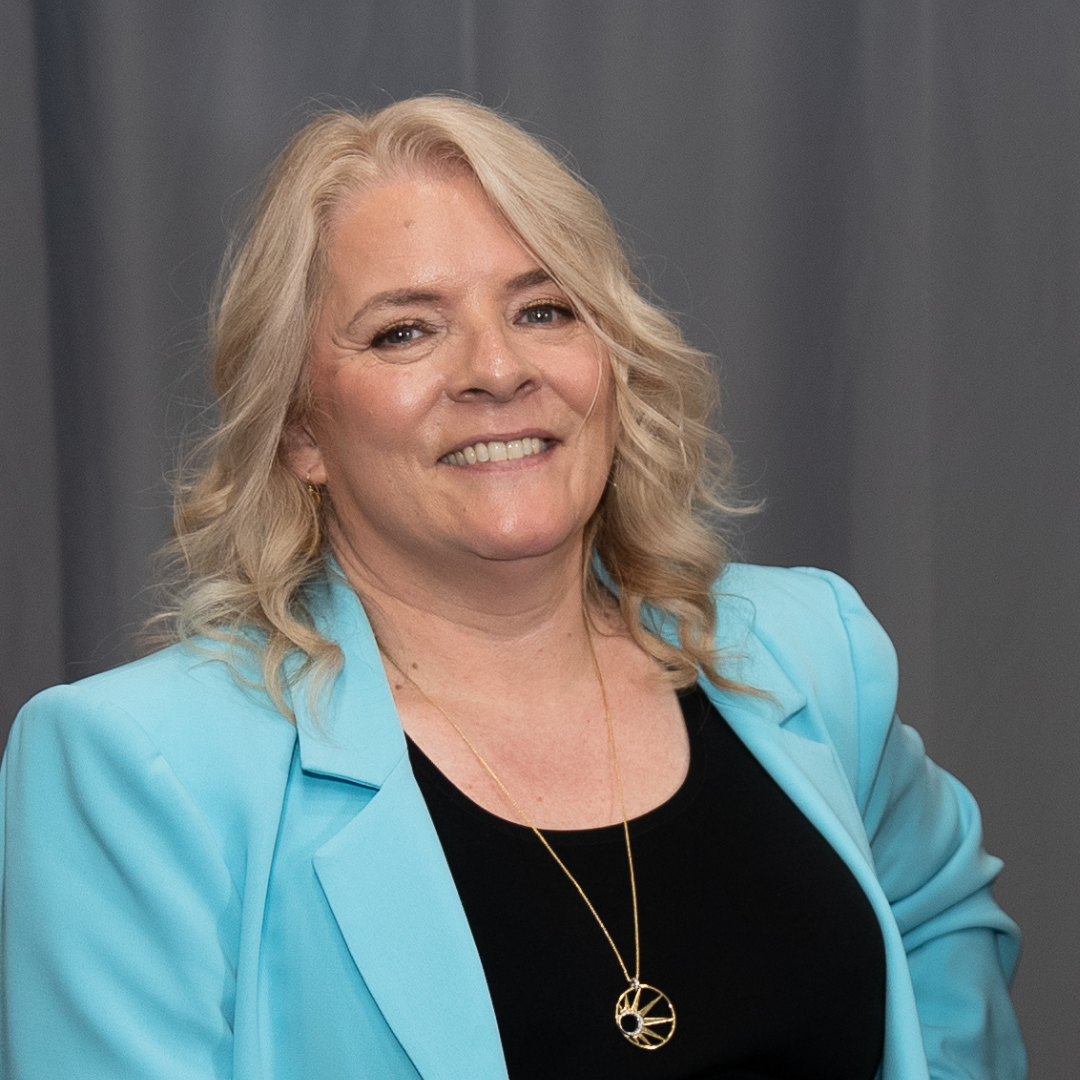
[00:00:06] Elizabeth Gearhart: And now it's time for our entrepreneurial segments. We're doing it a little different. We've split Todd's team up into two groups. The first group, Christine Haupt, director of asset management at Titan, along with Camila Rodriguez Drowlette, who's a licensed real estate salesperson and also works for Titan as the glue.
And we're going to be asking them questions. I know that, Christine, you had brought up something that I told you to hold onto and save.
[00:00:34] Christine Haupt: Yes.
[00:00:35] Elizabeth Gearhart: So let's go there first.
[00:00:37] Christine Haupt: So you had asked Todd about his 1700 deals and how he became so successful. I've been with Todd since the beginning of his career. We've been together longer than most married couples are together. And one of the things that stood out from the beginning of his career is it didn't matter how big or small the deal was. There were people who came into the business and everybody comes into the business and they think they're the next big broker. They're going to be the most successful person to do it.
But they don't want to put the work in, you know, they, they only wanted the deals that were going to bring them in. The hundred of thousand dollar commissions. Todd took all the little deals. There were little tiny office spaces that were being rented for $500 a month. Commissions were very small. They weren't anything. And Todd didn't care. He did.
Money in his pocket was better than the money in somebody else's pocket. And those are the things that lead to be successful. You have to put the time in. Those deals gave him more knowledge of the buildings, of the properties of the area.
And some of those tenants that he put into those small rinky dink little office spaces have come back when they expanded, when they needed bigger spaces, when they wanted to buy buildings.
And some of them are still clients to this day. You have to build your clientele and you have to start sometimes with the small people. The small people end up being big people.
[00:01:59] Elizabeth Gearhart: So Richard,
[00:02:00] Richard Gearhart: I can only say that I did exactly the same thing. When Elizabeth and I first started Gerhart Law, we underpriced ourselves to the hilt and we took any client no matter what. Just because I needed experience working with clients in a private practice setting. So I worked on the corporate side before, worked for big companies.
But doing that, I learned a lot. I have other friends who are attorneys who said, nope, I'm not going to do that. I'm only going to take Marquee clients and I'm going to charge premium rates because that's what I'm worth. And they're out of business. I think really you gain a lot by taking that approach. And I think it's important for entrepreneurs listening to appreciate that that's one way to move forward.
[00:02:42] Elizabeth Gearhart: Well, I have to say we were able to do that because Richard worked out of the house.
He cobbled together his server from computer parts we had around the house. We didn't buy anything. I remember I tried to convince him to buy a desk. It took years to get him to buy a desk.
But to keep costs down, then we could take the lower paying clients and gradually build the practice.
[00:03:06] Christine Haupt: We were working for another company. We were together at the other company and they built a strip center in Montrose, Pennsylvania. Most people wouldn't even know where. Montrose, Pennsylvania
[00:03:17] Todd Drowlette: people have been to Montrose, Penn.
[00:03:19] Christine Haupt: And I mean, I don't even remember how many square feet it was there, but it was, it wasn't anything big. And at the time there was probably eight other salespeople within the company.
Well, nobody else wanted to go and rent that space out. Well, why not? Because money is money, right? Everybody wants to make money. He did. He took the ride, he took the chance. He went and he rented out. Well then the owner of the company was just so thankful and so appreciative of, wow. He went and he did that. And he was, he loved him like he was his guy because he went and did that. Money's money. Everybody's got to make money. We joke all the time. He's the cheapest person you'll ever meet.
[00:03:58] Richard Gearhart: But if you're a business owner and you're responsible for paying expenses, meeting payroll, eventually you have to think like in terms of minimizing cost because that's a pressure that other people in the business don't often feel.
[00:04:13] Christine Haupt: Absolutely, absolutely.
[00:04:15] Richard Gearhart: And so you're the one who's responsible for making sure that everybody else gets paid. So you don't want to spend money on stuff that is going to make that harder.
[00:04:23] Christine Haupt: I don't spend his money. I treat his money as if it's my money. I don't just willy nilly spend his money. You have to have people in your corner that aren't just like, oh, we'll just buy it, we'll just buy it, just spend it.
[00:04:34] Elizabeth Gearhart: That's a tough one. We
[00:04:35] Christine Haupt: don't just do that. We're not just buying that.
[00:04:37] Elizabeth Gearhart: So I want to shift a little and I want to ask Camilla. Okay, we've heard a Little bit about Todd's personality.
[00:04:43] Camila Rodriguez Drowlette: He's that cheap at home too?
[00:04:45] Elizabeth Gearhart: Yeah. How long have you guys been married now?
[00:04:48] Camila Rodriguez Drowlette: Almost three years, and we have dated for almost four.
[00:04:51] Elizabeth Gearhart: And you have a beautiful baby.
[00:04:53] Camila Rodriguez Drowlette: Yes.
[00:04:54] Elizabeth Gearhart: So when did you start in the business with Todd? Did you start right after you started dating or after you got married?
[00:04:59] Camila Rodriguez Drowlette: I think it was after we got married. Right. I don't really remember. I want to say probably two years that I have been working with him.
And to be honest, I never understood what he did for a living. Like, he tried explaining the whole thing to me, like, 10 times. And until I came to the office and actually started working with him and with everybody, I didn't understand how it worked. I was always like, oh, okay. But I never understood.
[00:05:27] Elizabeth Gearhart: So has Christine mentored you a lot?
[00:05:29] Camila Rodriguez Drowlette: Yeah, I think all of them, actually. I feel like we're. I don't know, like a. Like a big team. We all learn from each other. Of course, I'm always with Todd. Like, we spend 95, 99 of our time together, but also in the office, I feel like we all learn from each other. And of course, Chris, she has been in the same business, like, doing different things, but on the business for 25 years. So she also knows a lot of things. Like, usually Todd is really busy. So whenever you can get a hold of Todd, you go ask Chris if she knows somebody or if she knows what we're supposed to do in these cases or what she thinks Todd would do in this case scenario. And.
[00:06:09] Todd Drowlette: And Todd's so busy. Cause he's probably asking Chris something.
[00:06:13] Elizabeth Gearhart: So it must be kind of tough. I mean, Richard and I work together and we're married. And I guess you're the same way off doing different things. Like, there are some days Richard and I will not talk to each other all day long because he's in meetings all day long. I'm in meetings all day long.
So how is it working with your husband?
[00:06:29] Camila Rodriguez Drowlette: I love it. I always wanted to have a partner that we could do, like, a lot of things together. So I love it. I think he loves it too.
[00:06:39] Todd Drowlette: She has her space because her office is completely on the other side of the building.
[00:06:43] Elizabeth Gearhart: Yeah, one thing that's a danger, I think. And probably if you spend any time with them too, Christine, even outside of work, you always end up talking about work, because that's all that we do. Oh,
[00:06:54] Todd Drowlette: she is. Camila complains about that all the time. Because I will literally wake up at 3am and I'll be like, I just got an idea. It's three o' clock in the morning. My God. And I'm like, okay, I'll tell Chris or Brandon or Sam or Chris.
[00:07:05] Christine Haupt: A little funny story is my son stopped into the office one day and he looked at Todd and he went, are you crazy? He goes, it's not bad enough you have my mother here, but you have your wife working here too. He goes, what is wrong with you?
[00:07:19] Elizabeth Gearhart: Not only that, but he doesn't let you guys spend any money.
[00:07:23] Christine Haupt: But it's okay. I mean, we get what we need. Now, the copier was the big thing. I'm not even exaggerating. The copier was a huge thing.
[00:07:30] Richard Gearhart: Congratulations.
[00:07:32] Christine Haupt: Every time I use a copier or I print to it, or you just, you just hit one button now and you scan it and it scans right to your email. I'm. I'll say to him, he'll be like, I need to scan something and we'll do it. And I'll be like, isn't that awesome? And he'll be like, no, it's not. And I'm like, I love it.
[00:07:45] Richard Gearhart: $7,000.
[00:07:46] Todd Drowlette: That's exactly what I said. That's
[00:07:48] Christine Haupt: exactly what he says. I'm like, I love it.
[00:07:50] Todd Drowlette: The thing people don't realize for entrepreneurs, I just did an interview with the Daily sun, like two, three weeks ago, and I gave them six tips because 57% of people live paycheck to paycheck. And what people don't realize is whether you're talking about success or money, it's the tiny little things, the tiny little transactions of your day. Whether you're spending time, money, effort, it's those little, tiny little things incrementally that are a lot of money. People are like, oh, that's just $5 for a coffee today. If you're spending $5 for a coffee five days a week, 52 days, that's a vacation. So there's like all these ways that people just don't think about. It's like your whole life is passing you by with the inconsequential. That is what makes up your entire life. So entrepreneurs, if you're running a business, you can't guarantee how much revenue you're going to make, but you can guarantee how much money you spend. So it's like you have to pay attention to what you're spending. And that's why most people live paycheck to paycheck, because they're not thinking about those little micro transactions throughout the day and what you're spending. Oh, I'm just gonna spend five minutes scrolling on my phone. Well, five minutes turns into 20 minutes. It turns into whatever. You have to pay attention to the little things because the little things are the big things. That's very
[00:08:59] Richard Gearhart: wise. Yeah. Well, one of the things about being an attorney is we do bill our time. And so you become very aware of how you're billing your time because you're recording everything that you do.
[00:09:10] Todd Drowlette: So you spend half your hour recording how much time you're billing.
[00:09:13] Richard Gearhart: Well, it does take a little extra time to do, but it's required because that's how you generate client invoices. But then you do become aware, and what you say is absolutely true. I think building good habits and organizing your week as much as you can allow you to maximize your time. And that's the way it works for me. Not everybody operates that way. But to be an entrepreneur, you need to be a self starter. You need to be somebody who sees a goal and then figures out how to get there and doesn't give up.
[00:09:42] Elizabeth Gearhart: Yes. I want to go back to Christine for a minute. What's one of the best stories you can tell or the biggest challenges you guys have had to overcome in all these years?
[00:09:52] Christine Haupt: He was a partner in another firm. It didn't work out, and he left and he started Titan. And I had stayed back at the other company and it wasn't going well and it wasn't comfortable, and I had to wait for him to be like, hey, let's go.
So
[00:10:09] Todd Drowlette: I basically said, I'll come get you, but I need to get, you know, I need to get set up and get whatever, because it's just like one day I'd had enough. I go, I'm out. And that was just the. The moment that I left. And she's like, when are you coming to get me? When are you coming to get a duck in a
[00:10:22] Christine Haupt: row? So I had to sit there and wait and.
[00:10:24] Todd Drowlette: Yeah, that was a wild time.
[00:10:26] Christine Haupt: Yeah, it was. It was definitely a wild time. We were going through some things, and that was the hardest part. That was very challenging.
[00:10:33] Camila Rodriguez Drowlette: Yeah.
[00:10:33] Richard Gearhart: So, Christine, what does a director of assets do?
[00:10:36] Christine Haupt: So I'm. Director of assets is just a fancy name to be a property manager. So I deal with all of the tenants, calling for any complaints, you know, dealing with snow plowing, paving, parking lots, any issues, billing the tenants, making sure they pay their rent.
[00:10:54] Richard Gearhart: In your role as property manager or asset manager, what are some of your biggest challenges?
[00:11:00] Christine Haupt: Everything. No, it's very hard to keep the tenants all happy. We've got a building in downtown Albany that we've been working with the new owner to remodel and upgrade. And the tenants in the building, some of them have been there a long time, keeping them happy of, you know, this is what we're doing. This is how we're trying to fix things. You know, they want things done now. Like, well, you said you were going to do it. Why is it not? Why isn't it done yet? Wait a minute.
[00:11:27] Camila Rodriguez Drowlette: Did you make a show out of that one?
[00:11:29] Christine Haupt: We did. That was one of the episodes. And we're still
[00:11:33] Camila Rodriguez Drowlette: leave. Because they won't invest if you leave.
[00:11:35] Christine Haupt: Yeah. And we're still working on that property and, you know, trying to manage everything and keeping all the tenants happy. They all obviously have opinions on what they want done, how they want it done, and the timeframe they want it done. And it's. It's a challenge every day. You know, we had an issue with the elevator at that building. We couldn't get the parts. They were. It was six weeks out for the parts to come in to fix the elevator. The tenants were obviously very angry, and justifiably, we're. No, we don't say that. They didn't have a reason to be angry, but they're yelling at us.
[00:12:06] Todd Drowlette: You also have problems that you can't tell people the real problem. But it's like if you have one office, right, and they're a tenant, and you have a woman going through menopause, you have a guy who's 400 pounds, you have somebody who weighs 110 pounds, and they're all. One's complaining they're freezing, One's complaining they're hot. Yeah. And it's like, okay, it's like, how do I have a conversation with you that, okay, well, you're sweating sitting there. You are. You know what I mean? So there's like. There's no diplomatic way to be like. And they're like, why I'm hot and I'm cold. And it's like, well, we can't make you all happy. So we can either turn it up or we can turn it down. But there's two zones, and you got move across. Like, there's just problems that don't have good solutions.
[00:12:40] Christine Haupt: Yeah, there's. There's no solution to it. And when I say it's daily, the calls are daily. It's
[00:12:46] Elizabeth Gearhart: full time.
[00:12:47] Christine Haupt: And if
[00:12:48] Todd Drowlette: you do so well managing the building, people naturally will create new problems.
[00:12:51] Christine Haupt: Right.
[00:12:52] Todd Drowlette: They'll complain about things in a million years they would never complain about because they don't have anything else to Complain about
[00:12:56] Christine Haupt: they're fighting over parking spaces.
Somebody's in my parking space.
[00:13:00] Todd Drowlette: It's like kindergarten.
[00:13:01] Christine Haupt: It is. It
[00:13:03] Richard Gearhart: sounds like a thankless job.
[00:13:04] Christine Haupt: It is. It is.
[00:13:05] Elizabeth Gearhart: If you have a really good tenant who doesn't complain and maybe just fixes things that they can fix that go wrong, is it better to risk losing them by raising the rent so you get more money or is it best to keep the rent kind of low for them so you have a super good tenant who always pays on time and doesn't complain and fixes things?
[00:13:25] Christine Haupt: We've actually kept some tenants rents at what they're currently paying.
[00:13:29] Todd Drowlette: I would answer that. You didn't give me enough information because I need to know relative to the market you just have to keep. So for someone to not move, there's an expense to move and you want to treat people fairly. But like, and I'm making this up, if your rent was $5,000 a month that you're charging and market is 10,000, well, it's still reasonable to raise them because you can go look at these comps. If you move here, here or anywhere else, I can raise your rent and I'm still being fair to you because market is 10, so I'm going to charge you 7. But if market is. Is what it is, then so many landlords think they're entitled to their tenants and they just raise the rent every year. Regardless. You have to constantly be situationally aware and know what is the market in this moment. So you would need to know what are their other options? What would that charge to determine whether I would raise the rent or not.
[00:14:15] Camila Rodriguez Drowlette: Okay, well, thank you so, Christine, Camilla, this has been wonderful. Thank you.
[00:14:21] Richard Gearhart: If you enjoyed this episode, subscribe to the podcast and leave a quick review.
Also, follow us on Facebook, Instagram, TikTok and X and subscribe to our YouTube channel for bonus content.
[00:14:32] Announcer: Learn more at passagetoprofitshow. Com.