[00:00:00] Speaker A: We went with a product and that's how we ended up going from ship design and engineering to 3D pop up art in magical moments.
[00:00:06] Speaker B: I really saw that there was an opportunity to help from the top down.
[00:00:10] Speaker C: Well, obviously people want to know. You do beautiful, amazing stuff.
[00:00:14] Speaker D: I'm Richard Gearhart.
[00:00:15] Speaker E: And I'm Elizabeth Gearhart. You just heard some snippets from our show. It was a great one. Stay tuned to hear tips about how you can start your business.
[00:00:25] Speaker F: Ramping up your business. The time is near. You've given it hard. Now get it in Gear Passage to Profit with Richard and Elizabeth Gearhart.
[00:00:36] Speaker D: I'm Richard Gearhart, founder of Gearhart Law, a full service intellectual property law firm specializing in patents, trademarks and copyrights.
[00:00:43] Speaker E: And I'm Elizabeth Gearhart, founder of Gear Media Studios, Passage to Profit, co host, podcast consultant, speaker, and Gearhart Law chief marketing officer.
[00:00:53] Speaker D: Welcome to Passage to Profit the road to Entrepreneurship, where we talk with celebrities and entrepreneurs about their stories and their business ventures. Today we're talking with a guy trained to design warships who ended up designing vessels for love. What made him change may sound personal, but it led to a billion dollar business. Our featured guest is Wambi Rose, the engineer turned entrepreneur who turned intricate paper art into a billion dollar mission to create magical moments with love pop. Stay with us to hear how a love pops. People express billions without the fear of saying the wrong thing and why that matters more than ever.
[00:01:33] Speaker E: And then I want to ask you guys, what's it like to give everything at work and feel unseen? Not like I would know that you wouldn't.
Christina Muller, lcsw. She understands and she works with leaders to turn burnout, stress and disconnection into cultures where people want to show up and thrive.
And then some of the most important days in our lives come with the most pressure. It's so true, isn't it? So Alyssa Pettinato is the person people trust to step in for their events when everything has to go right and make it feel effortless. How she does what she does is what makes her story so compelling.
[00:02:16] Speaker D: That's amazing. And on top of all this, our guests will reveal the secrets that have helped them achieve success. But first, it's time for your new business journey. And so we want to ask our panel, when you look back, what was the one decision or moment that most changed the trajectory of your business? And what did it cost you to make that decision? Wambi, welcome to the show.
[00:02:38] Speaker A: Thanks for having me.
[00:02:39] Speaker D: Yeah. So let's talk about the one transformational moment and One decision that you had to make that changed the trajectory of.
[00:02:45] Speaker A: Your business, really the most transformative moment was when we committed full time to the business. So my co founder John and I both originally ship designers. We got back together at Harvard Business School. Our goal was to start a business. We started experimenting with Love Pop, which was just super fun, making these 3D unique works of art that fit into a card. But it was a project and we were learning.
And it came to six months from graduation and we were deciding what should we do. And we had been working with contract manufacturers. We weren't getting the quality that we wanted. And we made the commitment to work with a really amazing individual in Vietnam named Bao to start our own production facility. Now, Bao was two months away from graduating from a five year architecture program and he dropped out to start Love Pop with us. And so that was when we said, no matter what happens, we are going to make this business successful.
[00:03:46] Speaker D: Did you feel like you were under a lot of pressure when you made that decision?
[00:03:50] Speaker A: It felt like a lot actually, because we still had different opportunities in front of us. We could go in different directions. So when we made that call, it wasn't so much the risk of the money we were investing or anything other than this was now a long term commitment because we knew that it was going to take a long time for us to make the business work.
[00:04:18] Speaker D: And what advice would you give an entrepreneur who's in a similar situation?
[00:04:22] Speaker A: I would say that everything takes longer, everything is going to be harder. And that's great. That's part of life. That's like when you go all in on a company, you just have to be ready for that. And so the biggest thing for me is that you have to love what you're doing.
And if you really love it, then you will make it through. I mean, we've almost run out of money five times. We've had to go through all kinds of different challenges. And every single time when we're in the middle of one of those, it's that love for the. I mean, I absolutely love this product. It's so fun.
[00:04:57] Speaker E: We can tell because you brought a bunch of cards and we've been playing with these cards and we're ooh, ah.
[00:05:03] Speaker B: Look at that one.
[00:05:04] Speaker C: We're stunning.
[00:05:06] Speaker D: Christina. Christina Mueller, welcome to the program. So what when you look back, what was the one decision or moment that most changed the trajectory of your business?
[00:05:15] Speaker B: Absolutely. Well, thank you for having me, first and foremost. But when I look back, I actually can go back a few years ago. I was Diagnosed with thyroid cancer during my second pregnancy with my now 3 year old son.
And that was a moment for me when I really was able to hone in on what's most important in my life and also career wise, what I wanted my future to look like. I think when you're facing an illness that is potentially life threatening and especially being in a vulnerable position as I was being pregnant, your priorities shift. Right. And I felt I want to have my career be fulfilling, but on my own terms.
And entrepreneurship really seemed like the best path forward for me to do that. And what I decided to do is base my business using my clinical expertise. And also just what I've learned along the way, working with different people, is to create a workplace mental health firm that is focused on connection in a high connectivity, low connection world that we're currently living in. So that was pretty bold at the time.
[00:06:27] Speaker D: Did you feel it was a risky decision?
[00:06:29] Speaker B: I felt it was a risky decision because a lot of leaders would say to me outright, it seems like a nicety to have that in the workplace. Like I have to get things done, we have to hit our numbers. Having connection be an imperative seemed more like just nice, but not really as important as it really is. So making that decision in spite of the climate and the world we're living in was a risk and it also cost me my comfort zone. I had to really push myself out of that and go into the unknown after having just gone into the unknown with my own health journey.
[00:07:06] Speaker D: That's great. Thank you so much, Alyssa.
[00:07:10] Speaker C: So for me, I think it's twofold because I actually started my company after I did one year in corporate life and noped out of that pretty quick. That was probably the first time I made that decision. And then obviously because I had absolutely no experience, it was quite the learning curve for me to start my company, Alanato Events.
So I started that 15 years ago. It changed when I made the decision. It actually in 2020, it was right before COVID you know, I'd been doing events, I'd been killing it for years and only corporate. I would never touch weddings with a ten foot pole because I thought, oh God, who wants to do that?
[00:07:49] Speaker B: Right?
[00:07:49] Speaker C: Still is, Yeah. I felt this pullback in the corporate world where I was like, I don't know if we're about to have a recession or something, but I think I need to start offering weddings because my background was in art, you know, and I wasn't able to do these really creative over the top events which I really wanted to do. I Kind of just got sucked into this, like, world where it was easy, started offering weddings. Then the world shut down, and weddings were the only event that survived Covid for a very long time. And I was able to be creative. People just started being like, well, I don't know what to do for design. I'm like, here we go. I'm. I'm going to just give you what I think. And my, like, artistic background did not hurt the situation by any means.
[00:08:35] Speaker D: What advice would you give to an entrepreneur who's in a similar situation, needs to make a decision, maybe changing focus?
[00:08:42] Speaker C: I would tell them that it's like, actually the worst, most agonizing decision ever. There was lots of tears and, like, did I do the right thing? And then I just started getting recognition for killing it because I kind of leaned into what I actually, at my, like, core, I'm just really good at.
[00:08:57] Speaker D: Well, thank you for sharing that story with us, Elizabeth. What was the one decision or moment that most changed the trajectory of your business?
[00:09:04] Speaker E: There was a huge moment that changed it. So I'd been doing the marketing for Gearhart Law. I started out as a patent agent, and I started out when Richard started the law firm. I said, I'll do anything you want me to do to help you succeed. So I was doing. I went from being a patent agent to the marketing, because marketing for an intellectual property law firm is very intricate and it's difficult for people to understand if they're not up to their eyeballs in the lingo and everything. Right. So the pivotal moment came when Kenya Gibson, who we met networking, called me and said, meet me in New York for a glass of champagne. I've got an idea for you. And Richard.
And I did. And she said, how about a one hour radio show for you guys on iheartra about entrepreneurism and you and Richard are co hosts. And she laid out the whole format and I thought it looked interesting. Richard was out at his networking thing. So the next morning I said, hey, Richard, what about this? And I think we can find the money because we had. It was paid advertising, still is. He agreed to it. And that changed the whole trajectory of my entire life after that. It really did. So now I have a podcast studio and I'm podcasting and all this stuff. And. And I think that what I would say is, make a decision and don't look back, just go for it.
[00:10:15] Speaker D: Well, for me, there have been a lot of turning points, but one that I hadn't really thought about until recently was when I started Gerhart Law. I ran the law firm out of the attic of my house. Literally bare floors, a single desk, a phone. I had just left Novartis. I hadn't really built up any kind of clientele. Literally a light bulb hanging from the ceiling. And over time, we ended up fixing up the space. There was enough space there, we had a couple of employees, but clients were coming into the house and they were using our bathroom and they were stopping by the kitchen, smelling the spaghetti sauce. So this smells pretty good. And obviously it couldn't go on forever. So we finally made the decision to move out of the house and into an office space, which is more, more conducive for a real law firm. And it was nerve wracking. We had to add extra expense. I liked being home. It was comfortable. But we had to go back out into the world and I think it's kind of needed. At that time it was, needed to be more of a legitimate business.
Now you can work from home and it's not that big a deal because everybody does it. But back then it was a big move. So I would say that that was a pivotal moment in my career and, and in the growth of my business.
[00:11:32] Speaker E: And what did it cost you?
[00:11:34] Speaker D: Well, it cost extra, extra money for the building. So we ended up buying a commercial building.
And that was also. I was nervous when we did that.
[00:11:43] Speaker E: And you had to pull your suits back out of the closet. No more working in your pajamas.
[00:11:48] Speaker D: I had to be fully dressed when I took phone calls.
Oh, no.
[00:11:53] Speaker B: Different show.
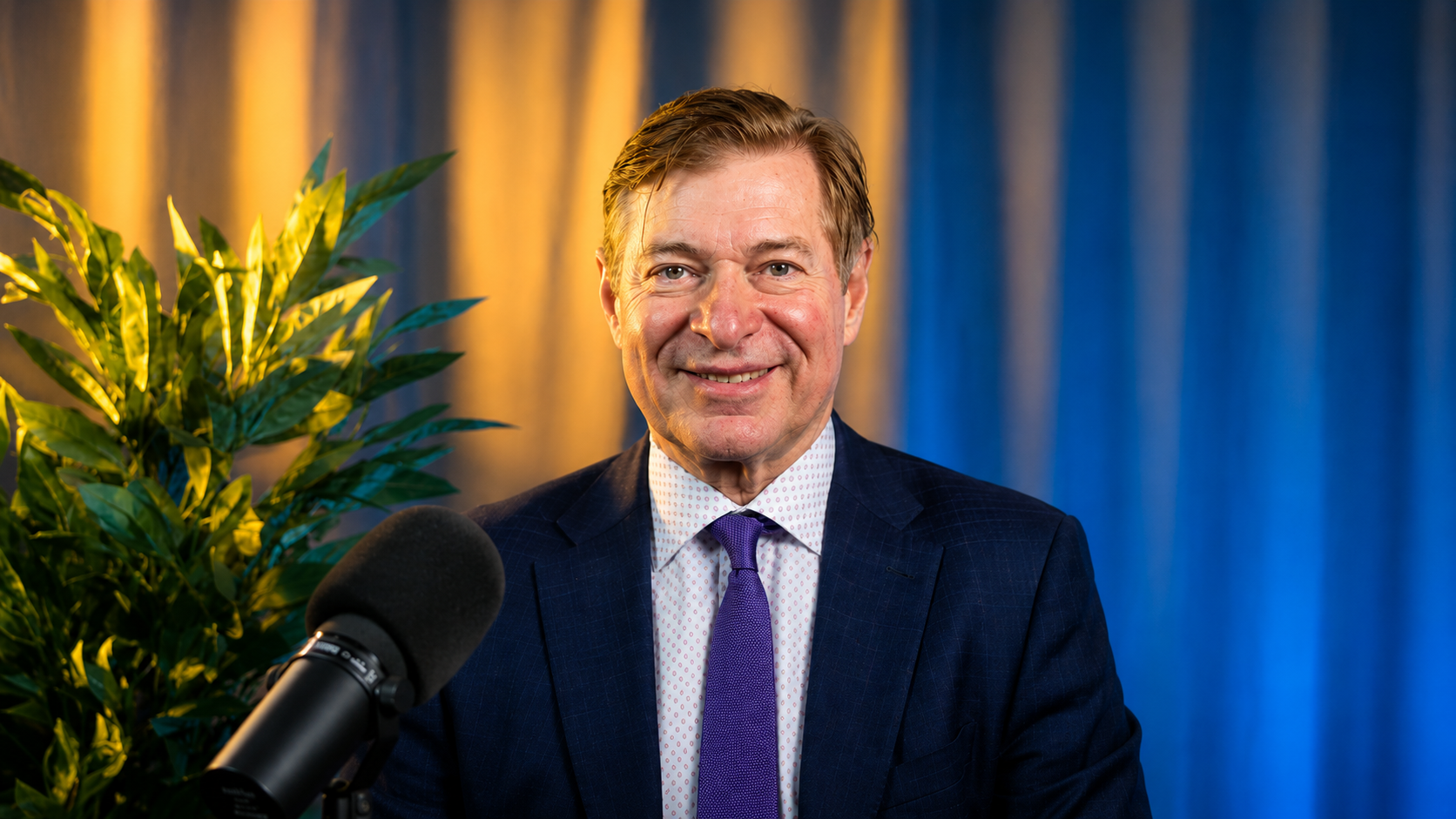
[00:11:55] Speaker D: In any case, it's now time for our main guest interview. Most Harvard graduates cheers Chase Tech or finance. But Wambi Rose turned paper into a business worth millions. Trained as a naval architect and a former McKinsey consultant, he discovered that tiny pop up cards could change the way people connect. And even earned a Shark Tank investment along the way. So, Wambi, I want to ask, before Love Pop existed, was there a moment in your own life where you wanted to say something meaningful to someone but didn't quite know how?
[00:12:29] Speaker A: You know, I think so many moments when it's really hard to come up with a creative idea. And as a kid we always had to come up with our own Christmas presents. And it was kind of tricky, but I started just making art and I'm not very good at going out and like picking out all the perfect gifts. And, you know, I know people who are really amazing at that. I've never been good at that. But putting something down on paper and then, you know, the other great thing that happened with it Is, you know, I would give my grandmother this drawing, which, granted, probably not very good, but she would put it on the wall and she would keep it there. And then every time I would come to visit, I would see it there. And then eventually, when she passed away, I now have this piece of art that I gave her, however many years ago. And so you look at it and it's nothing special, but given the meaning of it, it kind of takes on another dimension.
[00:13:20] Speaker D: You know, as I was doing research for the show and thinking about greeting cards, one of the important pieces of that is it allows people to express things to somebody else without actually having to say it. Right. And you get to put into words something that you're thinking or you're feeling, which it may be awkward or difficult to say. Right. And that's why I think when you go to CVS and you look at people who are shopping for cards, people will spend a long time trying to find just the right sentiment and just the right message for the person that they're giving the card to. Right. And so you've taken that one step further now. So you've got the message, but also the love pops are these cards that open up and then there's this paper design that pops up. They're all gorgeous. So where did you come up with the idea, the inspiration for this?
[00:14:13] Speaker A: My co founder, John and I are both originally ship designers, naval architects, marine engineers. So we learned how to design everything from a container ship to a sailboat. And when you design a ship, it's a 3D shape and you kind of slice it into planes and then you draw where kind of that complex shape intersects with the planes and it's called a lines plan. And so years later, when John and I were in Vietnam, we came across this style of slice form kirigami pop up art. And immediately when we saw it, it's like, oh, it's the exact same way as how you design a ship. And so it was like our mind was blown. It was like, this is amazing. We can make anything out of this. Oh my gosh.
[00:14:56] Speaker E: These are so cool. Who designed this? Did you design it?
[00:14:59] Speaker A: I wish. No. We have an amazing design team.
[00:15:02] Speaker B: You don't design all of them.
[00:15:03] Speaker E: Come on.
[00:15:06] Speaker A: We do almost 100 cards a quarter.
So we have an incredible design team. We're split between the US And Vietnam, and just so much creativity goes into it. When we first saw it, it was just like, wow, we can make anything. We could make anything out of this, but we want to kind of use it as our Own personal stationery. And then we did the very kind of entrepreneurial journey of. All right. So we brought some back home with us. We had them in our backpacks.
I remember going to a study session with some of our classmates and just showing them one. And my friend David Calder, he's like, I need that. I'm going to give it to my wife. It's Valentine's Day. It was like Valentine's Day a couple weeks from then, which right about this time. And he gave me $5. He's just like, I have to have that. And that was the first sale that we ever made. And so we started just getting the customer reactions. And we thought it was because we love the engineering, that that's why we were so excited about it. We also thought like, oh, you know, anyone can make this. And what we learned was that there was such a reaction, such a strong reaction. Everyone has someone special in their life all the time. Everyone has more that they want to say than they can get out. And when people saw love pop, like the light bulb goes off in your head and you're like, oh, I could give this to this person. We were just sitting here before the show deciding who at the radio station we're going to give each card to. And it's like, there's a special card for everyone.
And so that was kind of like, you know, we weren't consumer products folks. We were literally seal toes and hard hats and we thought we would do something industrial.
But I also, you know, we knew we'd never been in an apparel store and see people go like, oh my God, like, look at this T shirt, like, and bring their friends. And that's what was happening everywhere that we went with a product. And really that's how we ended up going from ship design and engineering to 3D pop up art and magical moments.
[00:16:56] Speaker B: Incredible.
[00:16:57] Speaker E: Yeah. And what blew me away was I said to Wambi when we met, do you know what all of your designs are? Cause I'm sure you have a huge team because you've got so many of these. I know, 85%. I said, okay, do you remember this one? And this one?
[00:17:10] Speaker A: Christmas shark.
[00:17:10] Speaker E: The Christmas shark, Of course. We love that one. We gave it to our daughter because we used to watch Sharknado. Right? And I was like, I can't believe somebody came up with a Christmas shark.
[00:17:23] Speaker A: And now we have a brand new shark.
[00:17:26] Speaker B: I choose you.
[00:17:28] Speaker D: All the fish in the sea passage to profit with Richard and Elizabeth Gerhardt. We're going to take a quick break, but we'll talk more with Wambi. And later, you'll find out the surprising news about which country files the most patents. We'll be back right after this. Commercial break.
[00:17:42] Speaker G: Do you hear that? That's the sound of uncertainty lurking under your hood. You know the feeling? I know I do. That sudden sinking sensation when you see a check engine light or your car unexpectedly breaks down and you're faced with sky high repair bills. It's time to shield against unexpected repairs with car shield. CarShield is America's most trusted auto protection company and has an A rating with the Better Business Bureau. Don't let the fear of a breakdown keep you up at night. Trust the Shield Car Shield. And say goodbye to terrifying repair bills and hello to peace of mind. Your plan also comes with 24. 7 roadside assistance, courtesy towing, rental car options, and so much more. Don't wait till it's too late. Call CarShield now before a breakdown. Protect your wallet, protect your car with Car Shield. Get our best protection ever. Call now. You'll thank me later. 8002-6121-7680-0261-2176. That's 800-261-2176.
[00:18:41] Speaker F: Have you outgrown your health insurance plan or just not happy with what you're paying for? The number one reason we all change our health insurance is price. Are you paying too much for your health insurance? Would you like to have better coverage at a better rate or at little or no cost to you? Your life needs are always changing, but have you done anything to improve your health insurance for you and your family? Health insurance laws and coverage are always changing and getting, getting better. It's impossible to do all the research yourself, but now it's all done for you for free. So regardless of your age or medical condition, take a few minutes right now and find out if you can save money or even qualify for zero cost health insurance in your state. Call now.
[00:19:28] Speaker G: Paid for by cheaper health insurance. 8006-5214-7080-0652-1470-880065-21470. That's 800-652-1470.
[00:19:41] Speaker F: Now back to passage to profit once again.
[00:19:44] Speaker D: Richard and Elizabeth Gearhart Wandy Rose, the engineer turned entrepreneur who turned intricate paper art into a billion dollar mission to create magical moments with love. Pop Wambi, I wanted to ask you a question. Wambi really is your real name and as I, far as I understand it.
[00:20:05] Speaker A: As far as you understand. Okay, great.
[00:20:08] Speaker E: The name you were born with the name you were given at birth?
[00:20:10] Speaker C: I wasn't expecting that.
[00:20:11] Speaker D: So did growing up with such a distinctive name shape how you think about identity and expression?
[00:20:17] Speaker A: Yeah. Well, first off, there is a secret here. It's not my given name.
[00:20:23] Speaker D: Oh, it's not?
[00:20:23] Speaker A: I was named Wambi by both my aunt and my grandmother. They both claimed it. I believe my aunt, but I always pretended to believe my grandmother because I looked like a wombat when I was about two weeks old.
[00:20:35] Speaker B: Oh, how precious.
[00:20:38] Speaker E: Oh, my God.
[00:20:41] Speaker D: Have you seen a picture of yourself? Is that what you really looked like or is that what they told me?
[00:20:46] Speaker E: I'm glad you could own that wombat.
[00:20:48] Speaker A: Yes.
[00:20:49] Speaker B: You've grown into your looks. I mean, you're an attractive guy.
[00:20:52] Speaker E: So.
[00:20:52] Speaker B: Yes, you do not look like a wombat.
[00:20:55] Speaker A: It's my spirit animal. So I love the wombats.
[00:20:58] Speaker B: It inspires you.
[00:20:59] Speaker A: Exactly. That's how Australian marsupial that has a lot of unique features. Love the wombat. I think it's pretty nice because there's only, I think, about four of us. And so when you meet people, they remember your name because it's something that you don't hear every day.
[00:21:15] Speaker D: Wombie Rose. I mean, that's such a cool name.
[00:21:17] Speaker E: Do you think it inspired your creativity some to have a creative name like that?
[00:21:22] Speaker A: Well, my dad was.
He just passed away. He was a crazy, crazy guy. Like, just a really off the wall kind of person who, you know, would dance in the supermarket and so forth. And so I think maybe some of that was his insistence that you should be as silly as you want to be. And there's no shame in that.
[00:21:41] Speaker E: Sounds like an awesome man. So it sounds like you were raised in a household that encouraged creativity.
[00:21:46] Speaker A: Definitely, definitely. And, I mean, there were a lot of little things. Like, you know, I mentioned making art for Christmas gifts. There was making crazy playsets, there was writing a lot. So the thing I had to do to improve my handwriting was write a letter to my grandparents every week. And so again, that, like, accumulated into this binder that they kept literally every letter that I wrote them.
[00:22:09] Speaker D: That's great. So how did being on Shark Tank affect your business? What happened there?
[00:22:16] Speaker A: Shark Tank was really critical for getting the Word About Love Pop out. You know, we were really, really lucky that we got the opportunity to be on the show. And then we were really, really lucky that Kevin o' Leary invested in the business. And when we aired on Shark tank, we had 33,000 people on the website and we had talked to some of the other companies and they helped Us, actually there was one in Boston, Wicked good cupcakes that literally they're co founder and CTO came and helped us get our website ready. But that moment was where we really got to see that what was working great at a really small scale actually made sense across the country. And that was really cool.
[00:23:01] Speaker E: So what did you say you had? 33,000 before Shark Tank. What happened right after Shark Tank? Did that go up a lot?
[00:23:07] Speaker A: Well, yeah, we actually have it in one of the updates. But within the first month after Shark Tank, we did about a million dollars of sales.
That were a lot of that was coming from people finding out about us from Shark Tank.
[00:23:21] Speaker E: How did you manage to get all your product done and grow so fast? That's a tough one. Right?
[00:23:26] Speaker A: That's where being, you know, the engineering background really helps. We set up from the beginning and this is super unique. Most businesses kind of in the consumer product space will outsource their manufacturing. We've done all of our manufacturing from that moment in 2015. I was talking about where we decided to do it. And that means that we ship product every day, we decide which SKUs we're making every day. And then that allows us to replenish even in season. And so we were able to ramp up our production really quickly. And occasionally you'll see some lovepop product out of stock towards the end of a major season. But for the most part we're able to keep inventory lean. We're able to keep a very large selection of products live because we've been focused on that efficiency from day one.
[00:24:07] Speaker E: Did you ever consider qvc?
[00:24:09] Speaker A: Yeah, I was on QVC eight or nine times last year.
[00:24:13] Speaker E: Oh, hi.
[00:24:13] Speaker A: Gears. You do?
[00:24:14] Speaker D: There you go.
[00:24:16] Speaker A: Super fun.
Love Alberti.
Love Justin. It's a great crew over there.
[00:24:22] Speaker E: Has that helped you sell a lot?
[00:24:23] Speaker A: Yeah, we do great. I mean on QVC we do mostly these 12 packs of cards for birthday, for Christmas.
[00:24:33] Speaker E: I love those.
[00:24:34] Speaker B: Nice.
[00:24:34] Speaker D: So what's next for Wambi Rose? Now you've got a successful company, you're all over the place. You brought with you an album that's being considered for a Grammy. Right. What's the name of the band again?
[00:24:47] Speaker A: Oh, that's right. Okay, go.
[00:24:49] Speaker D: Ok, go.
[00:24:49] Speaker A: So you might know them from their treadmill music video.
[00:24:52] Speaker B: Yes, love. Super cool.
[00:24:54] Speaker A: So they've done.
They're amazing artists and if you've watched some of their other music videos, it just gets crazier and crazier and crazier and then they're actually nominated for their music video for the Single Love as well. So we were really lucky to get connected to Damian, who's the lead singer of OK Go. Through an MIT professor who does math and geometry and paper art, which is wild. His name is Eric Demaine. He's super cool.
And we got connected. We started working on this. Took us at least six months to come up with this design.
We were nominated for a Grammy for best recording package.
[00:25:33] Speaker D: It's really striking, elegant.
[00:25:35] Speaker E: We'll put a photo on Instagram too.
[00:25:37] Speaker D: We'll put it on our Instagram photo there too.
[00:25:40] Speaker E: Yeah.
[00:25:40] Speaker D: So what's next for you? I mean, after all of this, what do you see in your future?
[00:25:44] Speaker A: I really love this intersection of art and engineering and how we can kind of bring those two to life. So, honestly, when you asked that question, it was just, what, one billion magical moments? That's the mission of Love Pop. Our whole goal is to create magical moments. We're at 66 million today, so we have quite a bit of a way to go. And I couldn't even process what's next after that. Cause I'm so laser focused on making that happen. But within that, it's really about the most magic we can pack into a card. And so you were opening the Hogs and Kisses and we just keep amping it up.
[00:26:21] Speaker E: Hogs and Kisses has music and ointment and lights.
[00:26:25] Speaker B: And I'm getting dramatic effect.
[00:26:27] Speaker E: I'm getting after my daughter for Valentine's Day for sure.
[00:26:32] Speaker A: So we're gonna, like, we're gonna keep innovating. We're gonna keep putting more magic in the card. And then the second piece is something that you mentioned, which is it's hard to express what you feel and what you want to share. And when we can make it easier, then you can do it more. And like, I just believe this. We all should send more cards because it will make us happier and it will make the people around us happier. And it's really fresh because my dad just passed away. When I went into his house, there were the Love Pop cards I've sent him over the years that were all displayed in different places. And I collected them. And I just thought, you know, we've been at this for 12 years, and there's at least three occasions a year, you know, between his birthday, Father's Day and Christmas, where I could have sent him a card. And there weren't 36 cards. I mean, there was a handful of them, but it wasn't 36. And I was just like, I missed that opportunity. And so how can we help you make it so that when you do have that thought and you're like, oh, I should do something, it's like, it's right here. We have that solution for you. That's really what's. What's next is making that real for everyone all the time and really making it easy.
[00:27:39] Speaker D: Wambi, it has been great having you on. Where can people find you?
[00:27:42] Speaker A: Lovepop.com. so we ship nationwide from Lovepop.com. that's where all the designs are. We also have seven retail locations in Boston, New York, Disney, and Florida and California.
[00:27:54] Speaker D: Great. Well, thank you so much, and we're very excited about your success. Congratulations so far. And we really appreciate all of the thoughts and the sentiments and the art that you're bringing to us. So thank you very much.
[00:28:06] Speaker E: So now it is time for live AI Use Cases Business Owners Roundtable. So everybody gets a chance to say one way they're using AI, and then we all get to have a discussion about it because it's so important and changing our society so much right now. So, Wambi Rose, what is just one or two ways right now? And then you can tell more after we get going.
[00:28:28] Speaker A: Yeah, we can stick with one.
One of our amazing team members built this tool to analyze all the demand for cards and then come up with what we call a line plan.
So which occasions, which recipients, which themes, which styles we should focus on and generate every month a list of prioritized designs that we should work on.
[00:28:53] Speaker E: Wow, that is really amazing and really great. And I use it for research a lot myself, and some of those, like, business plans and stuff. But that I think that's just such a great use of it. So. But we're not done yet, so let's keep going. So, Christina Mueller, what is one way you're using AI for your business?
[00:29:10] Speaker B: Yeah, so I like to. To use AI to actually help me see my blind spots when I'm making a proposal or putting together a strategy for an organization. I like to have it kind of as a copilot to kind of put holes in my logic or help me see things that maybe I'm not seeing fully.
[00:29:28] Speaker E: That's really a smart one, too. I just presented at podfest and one of their recommendations was put Your slides through ChatGPT and ask it what questions people are going to ask. Yes, I got some doozies, I'll tell you. So, Alyssa Pettinato, what is one way you're using AI in your business?
[00:29:46] Speaker C: So, in my business, I work with a lot of people that, you know, they're not in the creative space. So sometimes they just can't conceptualize what something that I can see in my mind. Like, I can see a design kind of like that scene from A Beautiful Mind where the numbers are, like, floating on the screen, but other people, like, cannot do that.
So it's been extremely helpful with me to help people conceptualize. Like, okay, so, like, we're gonna do this napkin with this plate and this. And they're like, we're doing all this stuff. Maybe they live in a completely different country, and I can't physically bring them somewhere to show them or. Honestly, it's never been done because it's a unique design. So, like, I will use it to put together a slight, you know, kind of image where it's never 100%, but it will give somebody the idea, and they're like, oh, my God, I can conceptualize it now because they need to physically see these things sometimes. Sometimes they can't really. You know, it's hard to get someone to trust the process blind. Right.
[00:30:40] Speaker B: That's really good.
[00:30:41] Speaker E: Yeah.
[00:30:41] Speaker A: We've done the exact same thing within just creating kind of proposals for companies when they want to make a custom card. It's like, okay, we can really quickly just show you something, and then if you like it, we can go back and actually design it. For real.
[00:30:54] Speaker D: Yeah.
[00:30:54] Speaker C: It needs a lot of hand holding with the images, for sure, but it is very. It's very helpful.
[00:30:59] Speaker E: Yeah. So, Richard Gearhart, what is one way you're using AI in Gearhart Law?
[00:31:03] Speaker D: Oh, there's so many ways. Lately, I've been using AI to try to get a better understanding of their YouTube channel performance for the law firm. So one of the things if you're trying to get more views on your YouTube channel is studying the retention curves.
And so I'll take a screenshot of the retention curve for a particular video, and I'll have AI analyze it and give me information about how the viewers are doing with it, and it'll also give me suggestions about how to make it even better.
And that's something that has been a real help for us. So that's how we're using it.
[00:31:46] Speaker E: So one way I'm using it, I'm using it for this little podcast, actually. So I'm taking the transcript, and I'm putting it through AI and. And I'm saying, okay, give me the show notes optimized for the large language models like ChatGPT, et cetera, so that when people are looking, they'll see it in the show notes. And then also Give me the optimized content for the website. So I'm using it as like a backend tool to optimize for search and it's telling me exactly what it wants to find us. So I think it's really powerful that way. So, Wambi, I know you have like a million other ways you were using it.
[00:32:20] Speaker C: I think we all have a million.
[00:32:22] Speaker E: We all do. So let's just talk about that.
[00:32:25] Speaker A: I think the key thing for us is we encourage our team to use it everywhere that they possibly can, but that it can't replace critical thinking. So everything from kind of a lot of the use cases just mentioned where it's kind of a discrete task and we can, it can help us with research or decision making or slides or analysis.
[00:32:44] Speaker C: I would say a million different ways. I tell my employees to work smarter, not harder. But like, exactly what he said. It's not here to replace entire people and things. And I started a podcast last year, misjudged. And I use it for the same thing with like understanding social media metrics as well and maybe like cleaning up an email that's a little tense.
[00:33:05] Speaker E: You.
[00:33:06] Speaker C: Know, take a bite out.
[00:33:09] Speaker D: I try not to use it for emails because I'm scared that I'm just going to get so into that habit. And I really want people to hear me. I mean, there's other kinds of documents where it doesn't matter, but when I'm, I have my own style of writing emails and I want the team and my clients to know that it's coming from me.
[00:33:30] Speaker E: Coming up, we're going to figure out which country is winning the patent race. It's not as easy a question to answer as you might think. We also have secrets of the entrepreneurial mind. So we're going to pick the brains of our guests here today for what really worked for them. So, listeners, you are listening to the Passage to Profit show with return Elizabeth Gearhart. Our special guest today, Wandbi Rose. And we will be right back.
[00:33:50] Speaker H: Here's a real life story that affects 50% of all of us out there. It's called divorce. If you've gotten divorced and now you're struggling to pay your bills and your credit card debts are completely out of control, you need to call this special debt relief hotline right now. We help people with all kinds of money problems caused by different life challenges. A divorce, a job loss, even heavy medical bills, all these life events can sometimes financially stress you out and cause you to get out of control. We help people get their lives back by showing them ways to consolidate and reduce their debt, in some cases for a fraction of what they owe. If your credit card balances are more than $10,000, call us and learn how to reduce your credit card bills and monthly payments. Now, here's our number, paid for by Debt.com.
[00:34:34] Speaker G: Call now at 8008-1008-5780-0810-857.
800-810-0857. That's 800-810-0857.
[00:34:50] Speaker F: Listen, were you forced into getting a solar contract and now you just don't want it anymore? Maybe the solar company misled you? Or is your solar contract buried with hidden fees? Are you not saving the amount of money you thought you would on your energy costs? Don't worry. At the Solar Exit Hotline, we can help you cancel your solar contract, even if the panels are already installed. Our experienced legal team will review your contract and help you cancel it, possibly saving you thousands of dollars. You gotta call right now for complete details. So listen, if you're not happy with your solar contract for any reason, we are here to help you cancel it. Call the Solar Exit Hotline now for immediate options to help you exit your solar contract. This call is 100% free.
[00:35:36] Speaker G: 8009-4140-8580-0941-408 5.
800-941-4080.
That's 800-941-4085.
[00:35:50] Speaker F: Passage to profit continues with Richard and Elizabeth Gearhart.
[00:35:54] Speaker D: Quick shout out to our friends at WMKT in Laurel, Hattiesburg, Mississippi. Thanks for listening and if you're new here, Passage to Profit is a top ranked entrepreneurial podcast and radio show heard in 38 markets across the country. It's a place where founders share what really works. And now it's time for IP News. We're going to be talking about patent rankings and it's a little bit different than what you might think. China now files roughly one and a half million patent applications per year. That's more than the United States, Japan and South Korea combined. And it's reshaped how people think about global innovation.
[00:36:37] Speaker E: But as with most big numbers, the story gets a little more interesting when you look at where and how those patents are being filed. So it's a little misleading, right?
[00:36:46] Speaker D: Well, according to the World Intellectual property organization, or WIPO, China ranks first globally in total patent filings with about 1.5 to 1.6 million applications annually. The US comes in second at roughly 600,000, followed by Japan, South Korea and Germany.
[00:37:05] Speaker E: So it looks like China is completely dominating, but then you have to look at their filing patterns. Are they just doing it within their own country?
And it's easy to get because they're their own patents, so they're just like, yes, you can have it, or are they trying to get it in other countries where it might be a little harder?
[00:37:21] Speaker D: Exactly. The majority of Chinese patent applications are filed domestically. That is, inside of China. By contrast, the U.S. japanese and European companies file a much higher percentage of their patents internationally, where protection is broader and more expensive.
[00:37:36] Speaker E: Right. And the other thing about the Chinese patent. So in the United States, when we do a patent at Gearhart Law, when you do a patent, you try to get as much coverage as possible, so you try to make the claims as broad as possible.
And in China, they're, like, really narrowing those in. So it's really easy to get a patent if you're just, like, really claiming something super specific. So that's part of the makeup.
[00:37:57] Speaker D: And the other part of it, too, is that the Chinese government actually pays for a lot of the patents. So they have a program now where they are really trying to incentivize businesses to file patents.
They're out for world domination, I guess.
[00:38:11] Speaker E: Who isn't these days?
But, you know, in the US the patents are often higher value, so they're designed more for enforcement or licensing or global commercialization. So they're a little broader.
[00:38:26] Speaker D: Absolutely. And, you know, the US Patents are designed for international and a global system. Patents are a form of competitive intelligence, and they show where companies are investing and where the industries are going and what the future markets are likely to be like.
[00:38:43] Speaker E: Right. So, for instance, like, we used to look at Apple patents to say, okay, what is Apple going to invent next? I remember years ago, they had a patent for a laptop with a glass cover, and you're thinking, so they could charge it with solar energy, maybe in the desert or something. Anyway, for people that are listening to entrepreneurs, the takeaway is not that one country is winning or not, but that you have to put things in context.
[00:39:04] Speaker D: Right. Absolutely. And that's it for Intellectual property News. And now it's on to our presenters.
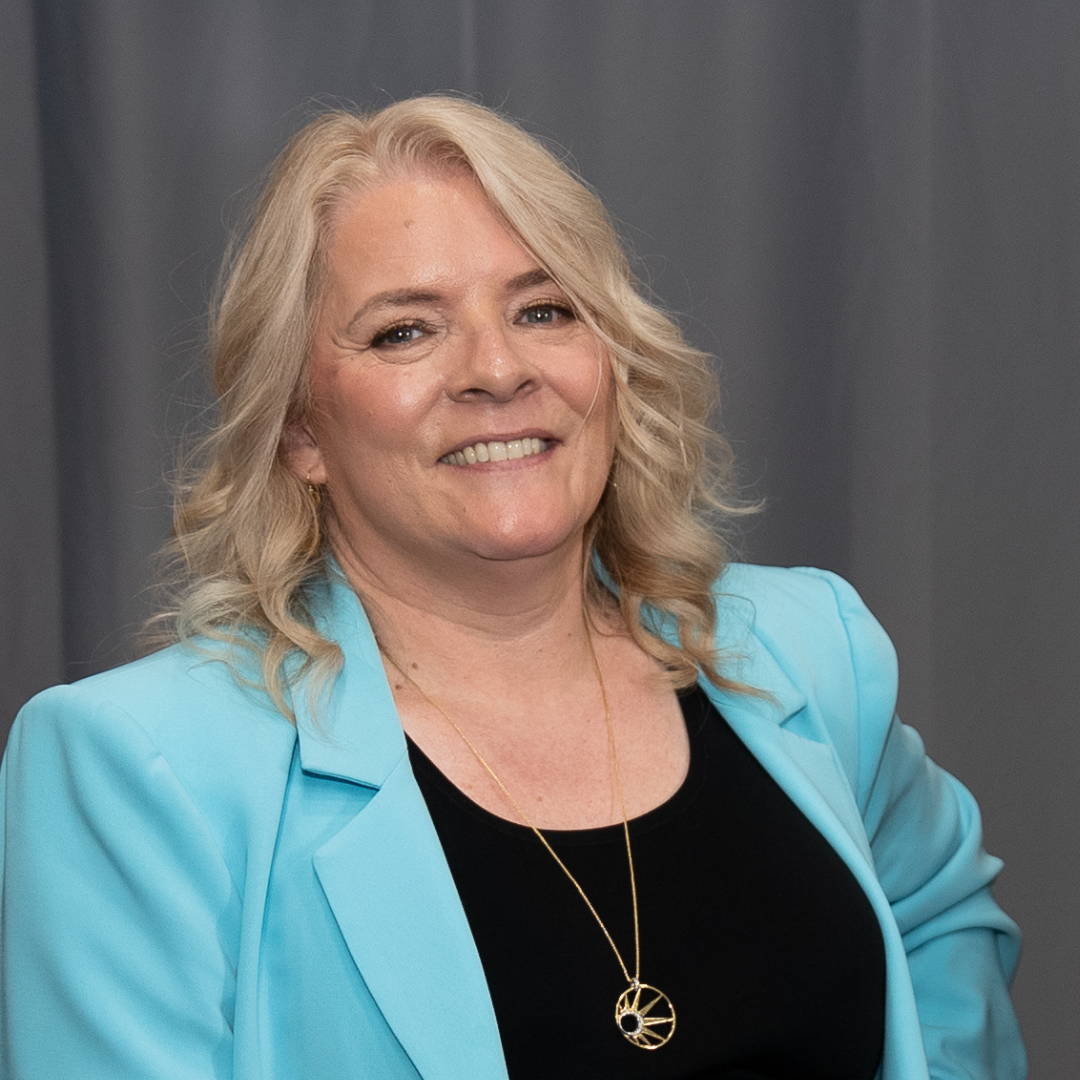
[00:39:10] Speaker E: I am so excited to talk to these presenters. Christina Muller.
She's an expert on burnout, and I love the way that she approaches this. So please, Christina, tell us all about what you're doing.
[00:39:20] Speaker I: Yes.
[00:39:21] Speaker B: Thank you so much. So I am a clinician. My background is in mental health. I'm a licensed clinical social worker, and I've been in the field for about 15 years now. And through that time, I had worked with a lot of people individually who have come to me burnt out, just really having it with their job, feeling like they're not being seen, they're not being appreciated at their job.
And I also was serving as a consultant throughout much of my career to organizations facing disruption, facing even traumatic events.
And from those situations, I saw that the missing piece there for a lot of these folks was connection.
Feeling connected either to their workplace, feeling that their leadership wasn't connected to them to the day to day what they're doing. And I really saw that there was an opportunity to help from the top down and get to the point of the issue, not just dealing with the individuals who are coming to me once these issues have gone and blossomed.
[00:40:21] Speaker E: So what are you telling these workplace owners to do to make their employees feel more seen? I think is what you're doing right?
[00:40:29] Speaker B: Yeah. And similarly to what WAMBI has been doing. I think it's really important to acknowledge people, to feel that you see their effort, not just their output. And what I like to do is tell people that there's time in the day to do this, even if they feel like there isn't. And that's usually one of the objections that leaders tell me is that this is really nice, but we have a lot going on and it's really hard to connect with people in the way maybe I'd like to. So I actually trademarked a model called the C model, which has been very helpful for many leaders. They've told me to remember this process of seeing people and engaging with them. So the first part of it is to spot, spot somebody's effort, spot if they maybe even need a little bit more support and scaffolding, empathizing with the situation, whether it's right now, this is a tough time for all of us, or I see that there's a lot on your plate really helping to increase what we call psychological safety, where people feel that you're seeing them in that moment and then engaging in an actionable and meaningful way. And that might look different for people. It doesn't always look like recognition, but it can look like scaffolding, extra clarity around a situation and really exploring and being curious about, you know, what's hard right now for you in this and what can we do to help you do your job best.
[00:41:53] Speaker D: So if you're a leader, how important is the acknowledgement and recognition piece compared to maybe some of the other responsibilities that you have? So, you know, if I'm spending a certain amount of time Developing business versus time that I'm spending with my team, which I do think is really, really important.
Is there a formula or recommendation that you have about how you should be thinking about these things?
[00:42:20] Speaker B: Well, I know Gallup put out a survey that you're three times more likely to be engaged at your workplace if you feel that you're connected to your leadership and the work that's being done.
So it has effects on productivity, it has effects on the bottom line.
And what I tell leaders is that there's these micro moments of connection, and the C model is a vehicle for that, essentially. But there's no fix number. But if you could try to do it as often as you can, ideally it would be daily, as much as you can possibly. But if even you're doing it weekly, I think it's better than not doing it at all.
[00:42:56] Speaker E: It's hard when everybody's remote. Right. So there are a couple people in the office, but everybody else is remote. So to connect, you have to see them on zoom or call them or something.
[00:43:07] Speaker D: Yeah, yeah. It's not like you can just bump into them in the hall and say, oh, by the way, that was an amazing report.
[00:43:12] Speaker B: Yeah, thank you. No, no. But you could send a message talking to the effort that they've been putting out and noticing them and seeing them in that way.
[00:43:20] Speaker E: So would an email work? I mean, do you think that's effective enough?
[00:43:23] Speaker B: Yeah, I mean, I think it depends. I think an email is better than not acknowledging. Ideally, if it is a remote only environment, if you could do it over a zoom where you could see the person and they could receive that, I think that would be ideal. Even something like Wambi has created with these beautiful cards, giving somebody something like that, where they could process it and enjoy it and feel like, you know, they're seeing me. And I had eavesdropped on Wandi's conversation earlier with one of his business partners, and something that stuck out to me, and it's really apropos to my work, is that his company acknowledges people on their birthday, sends them handwritten birthday cards, also acknowledges when there's a loss or some sort of disruption in the person's life. And I think that's tremendous and I wish more companies would do that. So it's really impressive what you guys are doing.
[00:44:18] Speaker A: Yeah. And I think we have so many great ways to do that with just kind of what we do as a business and sending cards to people, but even smaller things that you can do, we can do. We have a very distributed team. One of our Slack channels internally is retail magic and connection. And it's for our team members to just shout out different things that they're seeing different stories. I also think there's just like, how do you give people a forum for that to make it super easy?
[00:44:44] Speaker D: And, you know, it's interesting that different team members receive acknowledgement different ways. And you have to give the acknowledgement in a way that they can receive it.
[00:44:53] Speaker B: That they can receive it.
[00:44:54] Speaker D: And so that requires understanding who you're working with and what's important, what's going to be meaningful to them.
One of my attorneys would rather have me sit in his office and talk with him about a case that he's working on. That kind of dialogue would be an acknowledgement from him. He doesn't need to hear me say good job.
[00:45:13] Speaker B: Right, Exactly. And it looks different. And some people don't actually want public recognition either. Right. They wouldn't want it publicly in a Slack channel. So, yeah, for some people, like I said, it's clarity or more support or more scaffolding and understanding that most people want to do a good job. So if there is something getting in the way, not to get furious, but to get curious as to what that stumbling block may be.
[00:45:38] Speaker D: Very interesting phrase, don't get furious, get curious. Don't get furious, get curious.
[00:45:44] Speaker E: He's going to be saying that to me all the time.
[00:45:47] Speaker B: You can use that one.
Yes.
Applicable in many situations in and outside the workplace.
[00:45:55] Speaker E: So what is your number one? Like, let's say you're working with a company. Do you work with small companies? Big companies?
[00:46:00] Speaker B: Yeah, I work with small companies. Mid sized companies? Yeah. I work with leaders who are going through transition.
I work around critical incident debriefing, even something as large as a mass shooting in the workplace, which I did this past summer. So, I mean, those are very difficult situations for leaders to lead through.
[00:46:20] Speaker E: So what was the first thing you did? Do you interview the CEO?
[00:46:23] Speaker B: Not always the CEO. Sometimes it's the HR manager. It depends. But you kind of get a feel for where they are culturally and what level of disruption they're at. And then kind of catering the intervention to the leadership style. Right. And helping to best support them, also using research and helping them understand the neurological, the neuroscience behind everything that I'm presenting.
[00:46:50] Speaker E: Are you able to take a CEO who's like real nasty and a jerk and make him be nicer?
[00:46:56] Speaker B: I think it's challenging, you know, workplace mental health. The workplace affects our mental health, but we also bring our mental health to the workplace. Right. So Some people already have a certain level of that.
[00:47:08] Speaker E: Yes.
[00:47:08] Speaker B: So some people are not going to, in an intervention with me, have a global change in their personality or how they comport themselves with others. Right. But trying to give them some tools and strategies to help support them in ways that they would be able to meaningfully apply. And it's challenging. And some of those people may need more consultation, more support. Right. Than others.
So kind of assessing that and using my clinical background, which comes in handy. Right. I'm not just a leadership coach. I have clinical background that informs me this work and I think that can be really helpful.
[00:47:43] Speaker D: Are there ways to sort of measure from a financial standpoint the difference and impact that these programs have on companies or is that not so much a focus of your work?
[00:47:55] Speaker B: Yeah, it's not as much a focus of it. I mean, it's more qualitative data that people come back and tell me that it's been helpful in building morale and helping them in their communication styles to better engage with folks. But we know from the research that it does have these impacts. But it is hard to measure that that particular intervention was what drove sales or anything like that.
[00:48:16] Speaker E: Yeah, you can't put Google tags on it.
[00:48:19] Speaker D: Yeah, exactly.
[00:48:20] Speaker B: It's a little harder when it comes to mental health and these more nebulous things. Right?
[00:48:24] Speaker A: Yeah. There's one thing I'm super curious about. Just like you get to see so much and talk to so many people in lots of different situations here.
And you mentioned the burnout, which I think is real, this high connectivity, the fact that, you know, we have all of these feeds that are, you know, hijacking our attention and really creating this different world, what about for rather than kind of the leadership of the company? But if you're listening to this and you're experiencing burnout at your workplace and maybe there's like a mixed level of recognition that I'm getting. What advice do you have for me in that situation?
[00:49:01] Speaker B: Well, a lot of companies also have an employee assistance program program which is a mental health service that is free for employees to use and get support around these issues.
And I actually worked in that world for a number of years and that was part of what inspired me to go to the source essentially because people were symptomatic based on what I perceived as their environment many times and what was happening at work.
So, you know, that's something I would always suggest if you do have an EAP in most small, mid sized, large organizations do. But it is an underutilized benefit, unfortunately, it's about 12% of folks actually are utilizing it. We need to get the word out more about it.
[00:49:42] Speaker E: 100% need to utilize it.
[00:49:44] Speaker D: Yeah.
[00:49:44] Speaker B: Yes.
[00:49:45] Speaker E: Everybody always has issues.
[00:49:47] Speaker B: Yes.
[00:49:47] Speaker E: Even when you own a business, it's, it's hard because you feel like you're doing a lot for your employees.
[00:49:54] Speaker B: Yeah.
[00:49:54] Speaker E: And they're just like, I want more sometimes.
[00:49:58] Speaker B: Yeah, yeah, yeah.
[00:50:01] Speaker D: Well, I mean, I think that's a legitimate question, is like if there, there needs to be a right balance. Right. I mean, showing appreciation. I think that's just a good human behavior. I think we should all do that just as a matter of course.
But there also has to be a balance between structure and doing all the other things that are necessary to get alignment so that the business succeeds and we can all pay our bills. Right. So how do you talk to that balance? How do you incorporate those things?
[00:50:34] Speaker B: And I think it is a challenging balance. And I think that's part of the work. Right. Is helping people find the ways that they can do it that are feasible. Right. In some industries, it's less so than others. So not taking an all or nothing approach to it, but trying to implement these things as best you can and getting your own support. I mean, I'm a big proponent if a leader is feeling stressed out, burnt out, dysregulated. You can't give from an empty well too. Right. So noticing when you're experiencing that, that might be a sign to get more support.
[00:51:09] Speaker D: That's a great point. If a leader listening today wants to make one meaningful shift that would improve trust and well being in their workplace, what would that be?
[00:51:20] Speaker B: I would say to allow mistakes to happen and to see them as learning opportunities. I think that's something that I hear about from folks where they feel it's unsafe sometimes to speak up or to make a mistake without feeling like they're going to really be coming down on. So seeing it as a learning opportunity and again, getting curious if somebody is really struggling in their job, if they were hired and they looked great, you know, initially, and now that they're not performing, to really try to understand what could be getting in the way, that's really important. So how can people find
[email protected] and also mindyourworkplace.
[00:52:00] Speaker D: Co passage to profit with Richard and Elizabeth Gerhardt.
[00:52:03] Speaker E: So now we are onto our wedding planner.
[00:52:07] Speaker D: And events, too.
[00:52:08] Speaker E: And events. Elissa Pitonato. Really interested to hear what you have to say. What makes your service a little bit different, how you're thriving with your wedding planning business, What You've done right.
[00:52:19] Speaker C: My business is probably very different from all of your guys, is maybe a little bit. Maybe a little bit more aligned because it's a service.
But this is truly an industry where it is personality driven and like, well, obviously people want to know you do beautiful, amazing stuff and. But they're giving you, you know, in the tri state and beyond, hundreds of thousands of dollars to play with. So, you know, I always tell people when they reach out, I'm like, you gotta like the person you work with. That's the first thing. And I think that I am a little bit of a feral creature. I know a lot of other planners all over the world, and every time they meet me, they're like, whoa, like, where did you come from? You're kind of weird and wild.
[00:52:59] Speaker E: Where do you live?
[00:53:01] Speaker C: I'm in New York City.
[00:53:02] Speaker D: Well, that explains.
[00:53:05] Speaker C: Yeah, very New York City. I've been here for, you know, 15 years, so. Or actually, sorry, 16 years. I started my business 15 years ago. But, yeah, I mean, I've just kind of like broken into this industry that is a little bit more, like, buttoned up and it's, you know, I kind of made it a little bit more fun and creative.
And I do think that I also am, like, very honest.
I'm super, super honest. So I have this, like, extremely kind of informal way of making people feel comfortable, but also, like, that's not a great.
That's gonna do what you want.
[00:53:37] Speaker E: That is a talent.
So I have one girlfriend that I'd love to go clothes shopping with.
[00:53:43] Speaker C: Yes.
[00:53:43] Speaker E: And the reason is because she can say, yeah, I don't think so. And I trust her. And she doesn't say it in a mean way, but that's a real tightrope to walk.
[00:53:54] Speaker C: Oh, it's hard. And, you know, like, even with my employees, like, I have to, you know, I'm very aware of who I am, which I think I came to that, you know, understanding very young, because when you start a business and you're like 22 years old, you're just like in this big league where you want people to take you seriously, but you're barely formed as an adult.
My frontal lobe wasn't fully developed. So you have to kind of just really lean into exactly who you are and just kind of.
What I've learned is I'm extremely good at making people feel comfortable in very, very emotional moments. Which is so, so funny because I can't talk to Amazon customer service to save my life and be a calm, collected person.
But, like, I can so you know.
[00:54:37] Speaker E: What it feels like.
[00:54:38] Speaker C: Yes, of course. Like the furious, you know, like, curious. Like, I need that in my life. Like this morning.
[00:54:43] Speaker B: Don't get furious.
[00:54:44] Speaker C: Yes, exactly. But, you know, I make people feel, like, comfortable and happy in these very tense moments.
[00:54:50] Speaker D: Well, it's not only just that.
It's organizing everything and pulling it together and coming. You know, most of us aren't experts at creating amazing events. It takes a lot of time and experience to do that, and then that takes the burden off the people who would have had to plan it anyway.
[00:55:11] Speaker C: Oh, yeah, right.
[00:55:12] Speaker D: And that's, like. That's half of it.
[00:55:14] Speaker C: Oh, I know. People like, well, you know, I did, like, this, you know, thing a hundred years ago at Madison Square Garden. It was a Big east sponsorship count, and people are like, oh, can you handle this? I'm like, I'm somebody who suffers with extreme OCD and adhd, and it's like, in kind of insane that I can work in the details because it's not really where I'm meant to be. But, like, I can do these things with my eyes closed, which is a lot of just. Yeah, you have to train yourself. Like, that's the biggest thing.
[00:55:41] Speaker E: Yeah, I. You know, because some people do have talents for these things. And it sounds like you have the talent because, like, yeah, we had somebody design our living room years ago, and it's like, I never would have put that with that. But it looks really good. Like, I could never do that in a million years. That's not. Well, having you designing the cards, that's not me.
[00:55:59] Speaker C: Well, so people walk in off the street and they hire me to do some of the most intimate things in their life so far. And it's like, you have to trust me. Which, you know, I hate to be, like, using the word manipulative because I don't. I think it's more persuasive where it's like, you have to kind of curate this, like, trust and, you know, like, oh, just, I can do this and it will look stunning. But you kind of have to trust in the process, which is why AI has been, like, a little transformative for this, because it's like, people don't know.
[00:56:27] Speaker D: I'll just state the obvious. I mean, a wedding is, like, the most significant event in a person's life. And there's so much attention to the bride and groom and people. You know, if you go to a dinner party, people might say, oh, I didn't like the hors d'. Oeuvres. But if they'll say, did you see that dress? You know, and it's.
There's a lot more emotion and attention around.
[00:56:50] Speaker C: They're ripping everything apart.
[00:56:52] Speaker B: Okay.
[00:56:52] Speaker C: As somebody who attends weddings, like, you don't want to see me coming. They're ripping everything apart. But, like, also, you know, it's the only time in your life when every single person you love is in the room. So, you know, there's a lot of people that can't handle that. So you have to also know who your client is. Like, a lot of introverts don't actually do well on that day.
So I'm sitting there looking at them with my team.
I'm like, we need maybe you go hang in the bathroom and just like, take 10 minutes. Like, go hang in the bridal suite. Go here. I'll bring some hors d'. Oeuvres. Like, you kind of have to make everybody feel comfortable, but you have to notice the nuances of like, every single, like, person in a 500 person room. It's very intense.
[00:57:33] Speaker E: I have to ask you this. What are people spending on. Well, you're doing New York.
Does it go like from 100,000 to a million or like, what are they spending on Wednesday days?
[00:57:43] Speaker C: It's really. It's crazy to say this because people hear this in other places, like very rural areas.
It is low six figures to have like 150 person or 100 person wedding in New York.
[00:57:56] Speaker E: What does it go up to?
[00:57:57] Speaker C: I've done like million dollar situations.
[00:57:59] Speaker E: You've done million dollar weddings in New York?
[00:58:01] Speaker A: Yeah. Yeah.
[00:58:02] Speaker E: What does that look like?
[00:58:03] Speaker C: I'm just stunning.
[00:58:07] Speaker E: Are they on the rooftop of the Marriott?
[00:58:10] Speaker C: I mean, Jeff Bezos, honestly, don't get me started on that one. And I was looking at the carpet, like, who chose that?
It was.
[00:58:19] Speaker E: That's what you can do on your podcast. You can start another podcast, Critiquing Weddings.
[00:58:24] Speaker D: Celebrity Wedding Critique.
[00:58:26] Speaker C: I started the podcast, actually. It's called misjudged. And I started it actually from this because, like, I. One of my degrees was in psychology, and I feel like I've utilized that so much in this job because I'm always have. I've had to, like, try truly talk some people down the aisle or like, not talk families out of, like, you know, parents get involved. They're maybe with the money I've had to talk people off. But yeah, like, I've seen a lot of relationships and all their dynamics and.
[00:58:53] Speaker D: You know, weddings can be like, so are. They are incredibly important. But I remember a young insurance salesman coming into the office and he started talking about his wedding, and they were going to spend $150,000 on the wedding, and it was gonna end, but he's like, I'm just starting out. We have no money. We're gonna have to borrow, you know, most of the money. We're not gonna be able to buy a house.
[00:59:18] Speaker B: Oh, gosh.
[00:59:19] Speaker D: And I thought about that, and I'm like, I understand it, but I'm also like, you know, maybe a smaller wedding might be a better thing and not go into debt and get a better financial start. But, I mean, it was so important to him that that's what he wanted to do. And who am I to say you shouldn't do that?
[00:59:40] Speaker C: No, I agree. Because what I always tell people, sometimes people come to me and they're like, well, what should our budget be? I'm like, look, you have to figure it out, like, what you would like to spend. Because, like, I'm not in the business of telling people they need to be bankrupt to get wedding to get married. You could do it at City Hall.
[00:59:57] Speaker E: But I want to go back to one thing. What is your podcast name and what it's about?
[01:00:01] Speaker C: It's called Misjudged Podcast with two S's. It's about dating, relationships, and all of that. The things in your millennial age bracket. Because I think millennials are really honestly going through it, and they're actually. Midlife dating has completely changed, and being in successful relationships is kind of, like, nuanced, especially with technology just kind of taking the reins on that.
[01:00:23] Speaker E: So.
[01:00:24] Speaker D: Yeah. So if somebody's planning a wedding or an event now and maybe they decide that they want to try to do it themselves, what kind of advice would you give them?
[01:00:33] Speaker C: Okay, well, if you have the budget, my number one would be hire a planner.
But, you know, if you don't, my number two is don't trust ChatGPT to plan your wedding. I can't stress that one enough. It's a great research tool, and that's kind of where it ends. But I would say just really be honest with what you can afford. Don't bankrupt yourself for to compete with people on Instagram that you don't even know which people are doing right now, unfortunately.
[01:00:58] Speaker A: I think that's, like, such an important message you mentioned a couple of times of, like, you're just you. Be you.
[01:01:04] Speaker C: Yeah.
[01:01:04] Speaker A: And I feel like that's been a theme today because, you know, it's so easy to see everything else that's out there, but it might not be you.
So that just sounds like Such a great.
[01:01:17] Speaker C: Oh God.
[01:01:18] Speaker D: And if it's on social, it might be AI.
[01:01:20] Speaker A: It might not even be real.
[01:01:22] Speaker B: Oh my God.
[01:01:23] Speaker C: True.
[01:01:24] Speaker B: Next thing, right? AI influencers who are not even real having these weddings that never even happened.
[01:01:28] Speaker E: Well, somebody did marry their AI, right?
[01:01:31] Speaker D: They did. We're wondering about that.
[01:01:34] Speaker B: That's the rumor I think I saw in Japan, right?
[01:01:37] Speaker E: Oh God.
[01:01:38] Speaker B: We have to pull up that story. But I, I did see that.
[01:01:41] Speaker D: So if somebody hires a planner, how do your fees work? Do you like establish a budget and say, okay, my budget, then I'm, I'm going to be 10 or 15% then of what you're spending on the cake and all the stuff. Is that how typically it works or.
[01:01:55] Speaker C: You know, it's so situation based. I started my business being like, I'm going to do fixed fee because everybody in it was percentage based. And I learned extremely quickly why they're percentage based because you can absolutely get abused very easily. So it really depends on the scenario. You know, like a conference that's kind of cut and dry is going to be extremely different than a million dollar wedding. Like we're 100% having to do a fee because it's a full scale production. Like you're working with like 40 vendors sometimes.
[01:02:24] Speaker D: Well, the, I mean, the bigger your budget, the more things you're going to be doing right. And the more time you're going to spend.
[01:02:30] Speaker C: And by the way, I don't like to like be, you know, you know, like I did this in the beginning because I learned, you know, I walked so other people could run. But like if you undercut your fee, you start to kind of feel resentful to that client and then you start drawing all this like red tape when they start asking things that are like, you're like, this is out of the scope, you know, like, and it's not a good way to be. You know, I want to always just be able to say yes. Like at my core I'm a people pleaser.
[01:02:55] Speaker E: I think that's a really good point. If you feel like somebody has like undercut you on price or like try, then you just don't feel the same loyalty to them as a client.
[01:03:06] Speaker D: Right. And you can, it's not going to be as good an experience for them. So why not? Why not pay an extra $5,000 and get what you want?
[01:03:14] Speaker B: Yeah.
[01:03:14] Speaker D: And everybody's happy rather than, you know, trying to save a percentage of it. You know, if it's, if it's one day or it's a big event.
I think that makes sense.
[01:03:25] Speaker C: Well, I learned extremely quickly that the smallest client sometimes will take the most of your time.
[01:03:32] Speaker E: Yes.
[01:03:32] Speaker C: So, like, I would. I had to learn really hard.
Like, sometimes it's better to have maybe less business but better clients, which took me a very long time to do because I just always wanted to say yes to everyone.
[01:03:46] Speaker D: Well, when you're in business for yourself, though, I mean, you never know when your next good client is going to come along 100%. And so, you know, sometimes you think something is better than nothing, but after you've been at it for a while and you build a reputation, then you can be a little more selective.
[01:04:03] Speaker C: Yeah, exactly.
[01:04:05] Speaker E: So how do people find you?
[01:04:07] Speaker C: Allanato.com a l I n a t o.com or at the misjudged podcast everywhere you find it.
[01:04:15] Speaker E: Well, it is time for a break. So, listeners, you are listening to the Passage to Profit show with Richard Elizabeth Gearhart and our special guest, Wambi Rose. We'll be right back.
[01:04:24] Speaker F: It's more than a rebellion when your teen is slipping into drugs or alcohol. When social media and pornography consume their time and their money mind. When depression and even suicidal thoughts cast a shadow over your home. As a parent, you feel powerless. There is hope. At Turnabout Ranch, troubled teens step away from the chaos and into a clarity of nature. On a working cattle ranch, care for horses, learn responsibility, build trust, and rediscover purpose. It isn't theory. It's real work, real therapy, real healing. Families from across the the country have found transformation right here. Just when they thought hope was gone. If your teen is struggling with addiction, harmful online behaviors, even weight management, call right now and get the help you all need.
[01:05:11] Speaker G: 8002-7714-3280-0277-1432.
800-277-1432. That's 800-277-143. 32.
[01:05:23] Speaker F: It's passage to profit.
[01:05:25] Speaker D: Now it's time for Noah's retrospective.
[01:05:29] Speaker E: Noah Fleischman is our producer here at Passage to Profit, and he never stops trying to make sense of the future by looking at the past.
[01:05:37] Speaker I: I think I was about five years old when the bank in our neighborhood suddenly sported this great new device out front. An automatic teller machine. If you needed cash or a transaction, you no longer needed a person for it.
Before long, we weren't picking up the phone and calling people anymore. We were leaving recorded messages for people that were themselves recorded. Nowadays, those messages we hear aren't necessarily recorded by actual people anymore. Websites nowadays will actually ask you to Verify that you're human.
Sometimes I wonder how I'd properly respond if I weren't.
I grew up in a world that couldn't get immersed fast enough in computer technology.
Now that we've seen the promised land, we're kind of looking for the exits. Maybe a little more human presence and control might not be such a bad thing.
What do you say one day we all put our smart electronics in a room to deal with each other and then all of us humans can meet up outside and do the same.
[01:06:37] Speaker F: Now more with Richard and Elizabeth. Passage to profit.
[01:06:41] Speaker E: And now it is time for four secrets of the entrepreneurial mind. And we are going to start with wambi rose with lovepop.com what is a secret you can share with our audience?
[01:06:53] Speaker A: Well, one little tiny fun secret. Is that the first car that I ever designed? We talked about ship design. It's the Young America Clipper ship which was designed by William Webb who founded the School of Naval Architecture Marine Engine Engineering. My co founder and I went to and I actually got a lines plan from that ship and used it to design the card.
[01:07:15] Speaker E: That is a very cool secret.
I love that. Christina Mueller with christinamuller.com what is a secret you can share?
[01:07:23] Speaker B: I think mindset is everything and I think being an entrepreneur you have to have thick skin. So I say get excited about the no's. Be curious about how many nos it will take till you get that yes.
Before I started my business I really focused on my thought leadership and wanting to target companies, organizations that would be reading certain publications. So I didn't have pr. I did it myself. I was pitching to Newsweek, to Forbes, Fortune, and I didn't get my first interview till like 15 in and then Forbes and Fortune came like 100 in. You know, it was a long ways before I got recognized and really was able to get the word out. And what really motivated me was because I felt like people needed to hear what I had to say about workplace mental health.
So get excited about the no's. If I would have given up at like 5 or 10, I wouldn't have had the platform that I was able to amass, thankfully. And that also helped to drive demand to my business once I did secure that and start building.
[01:08:23] Speaker E: That's a great secret.
[01:08:24] Speaker B: Yeah.
[01:08:25] Speaker E: So Alyssa Pitonato with a la NADO.com.
[01:08:31] Speaker C: This one took me a really long time, like I said, to lean into but I think just being authentically who you are and stop trying to fit a mold because like I, I was really trying to kind of like Especially when I was in corporate, I was really trying to be with the boys and like, you know, make myself look a certain way, be a certain way to, like, kind of have people take me a certain way.
But the second I stopped doing that and was just like, this is just who I am and just being authentically like myself, I felt like my life kind of changed and my business definitely changed for the better. So you're not meant for everyone and you have to have a level of self awareness of who you are and that will help.
[01:09:10] Speaker E: That's excellent.
[01:09:11] Speaker B: Yeah.
[01:09:12] Speaker E: So, Richard Gearhart with Gearhart Law. What is the secret you can share?
[01:09:16] Speaker D: Well, I'm going to go back to a technique that was taught to me by Dan Sullivan, who is a business coach. He runs a program called Strategic Coach, and it was really helpful for me. One of the things he talks about is the gap. And if something goes wrong, if you miss an opportunity, then you fall into the gap. Right. Which is kind of a low spot. And he always says that you need to take a step backward and reframe it and go back to all of the things that you have accomplished and all of the things that you've done, done. And a lot of times that will get you out of the gap and back into where you need to be. And he says that, you know, putting it into perspective, usually if you're in the gap and you compare it to everything that you've accomplished so far, it's really a very small, kind of insignificant thing. And so just having that perspective, I think is important. And that's my secret for this week.
[01:10:15] Speaker E: And I'm Elizabeth Gearhart with Gere Media Studios, and I have been using the large language models ChatGPT, Perplexity, Claude, Google, Gemini a lot, doing a lot of research. So they're top of mind for me. And my secret is don't just use one, use them all to tell you what's right and what's wrong. And don't trust what they say. The first time.
One funny thing was I asked each of them, I said, which one of these has the highest accuracy? And they all gave me a different answer.
And what answer do you think they gave?
[01:10:49] Speaker D: They cited themselves first.
[01:10:50] Speaker E: Yes.
[01:10:55] Speaker D: These are commercial products. Don't forget. Right. People are trying to make money off of this stuff. Well, that's it for us. Thanks for listening. Passage to Profit is a Gear Media Studios production. It's the nationally syndicated radio show appearing on 40 stations across the U.S. in addition, passage to Profit has also been recently selected by Feedspot Podcasters database as a top 10 entrepreneur interview podcast. Thank you to the P2P team, our producer Noah Fleishman and our program coordinator Alicia Morrissey, and our social media powerhouse Carolina Tabares. Look for our podcast tomorrow anywhere you get your podcasts. Our podcast is ranked in the top 3% globally. You can also find us on Facebook, Instagram X and on our YouTube channel. And remember, while the information on this program is believed to be correct, never take a legal step without without checking with your legal professional first. Gearhart Law is here for your patent, trademark and copyright needs. You can find
[email protected] and contact us for a free consultation. Take care everybody. Thanks for listening and we'll be back next week.