[00:00:00] Speaker A: Is success today driven by working harder or by thinking differently in a world where technology, creativity and human potential are all being redefined at once? We have a lot to talk about today.
[00:00:15] Speaker B: Ramping up your business.
[00:00:17] Speaker A: The time is near. You've given it hard. Now get it in gear.
It's Passage to Profit with Richard and Elizabeth Gearhart. I'm Richard Gearhart.
[00:00:27] Speaker C: Hi, I'm Elizabeth Gearhart and we're your hosts.
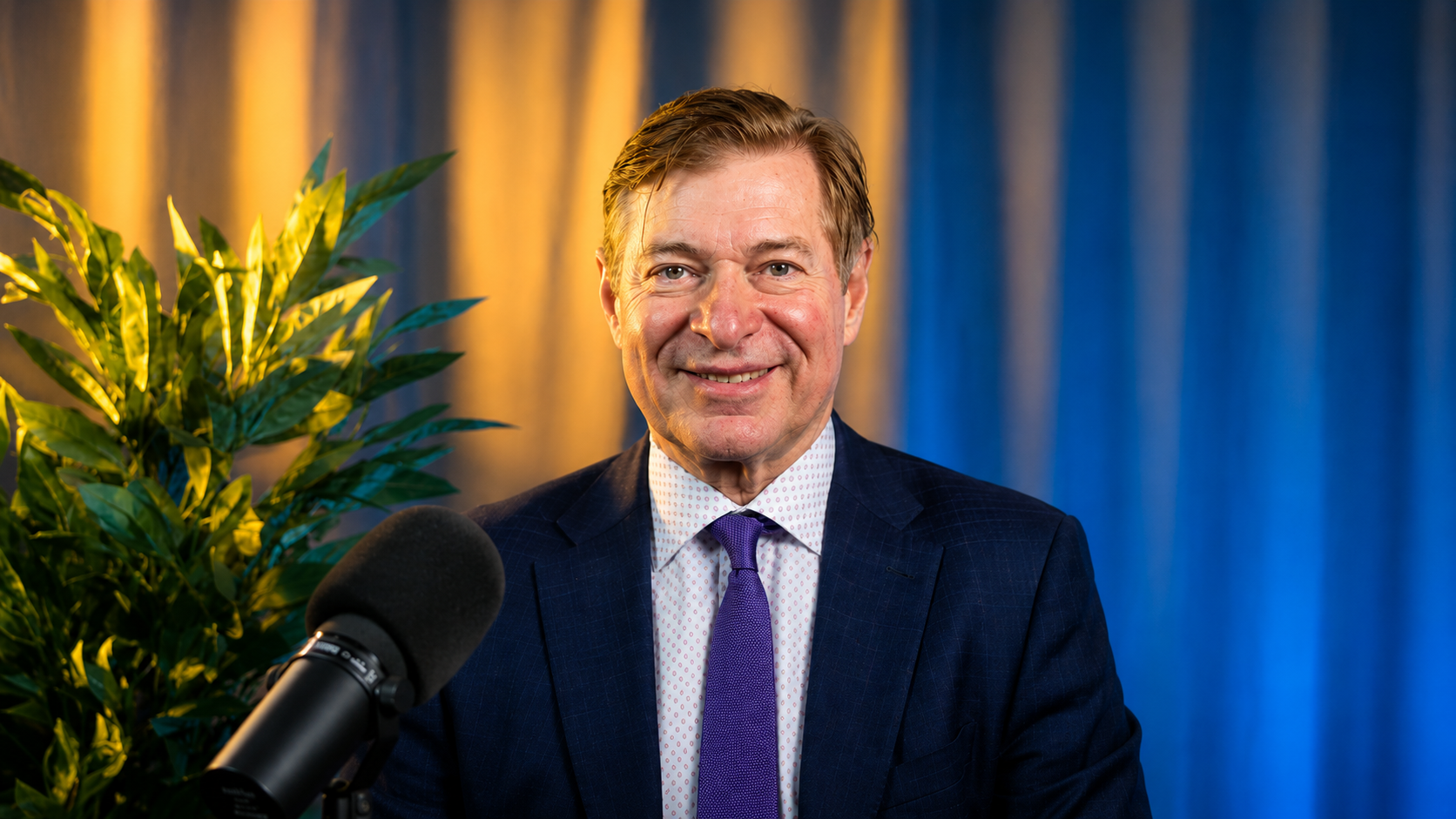
[00:00:30] Speaker A: Welcome to the Passage to Profit show, the Road to Entrepreneurship podcast. We have a very special guest, Dr. Patrick Porter. He is a CES award winning inventor turned tech CEO of BrainCap, and he reveals how to take back your brain using the science behind his new book, Brain Fitness Blueprint.
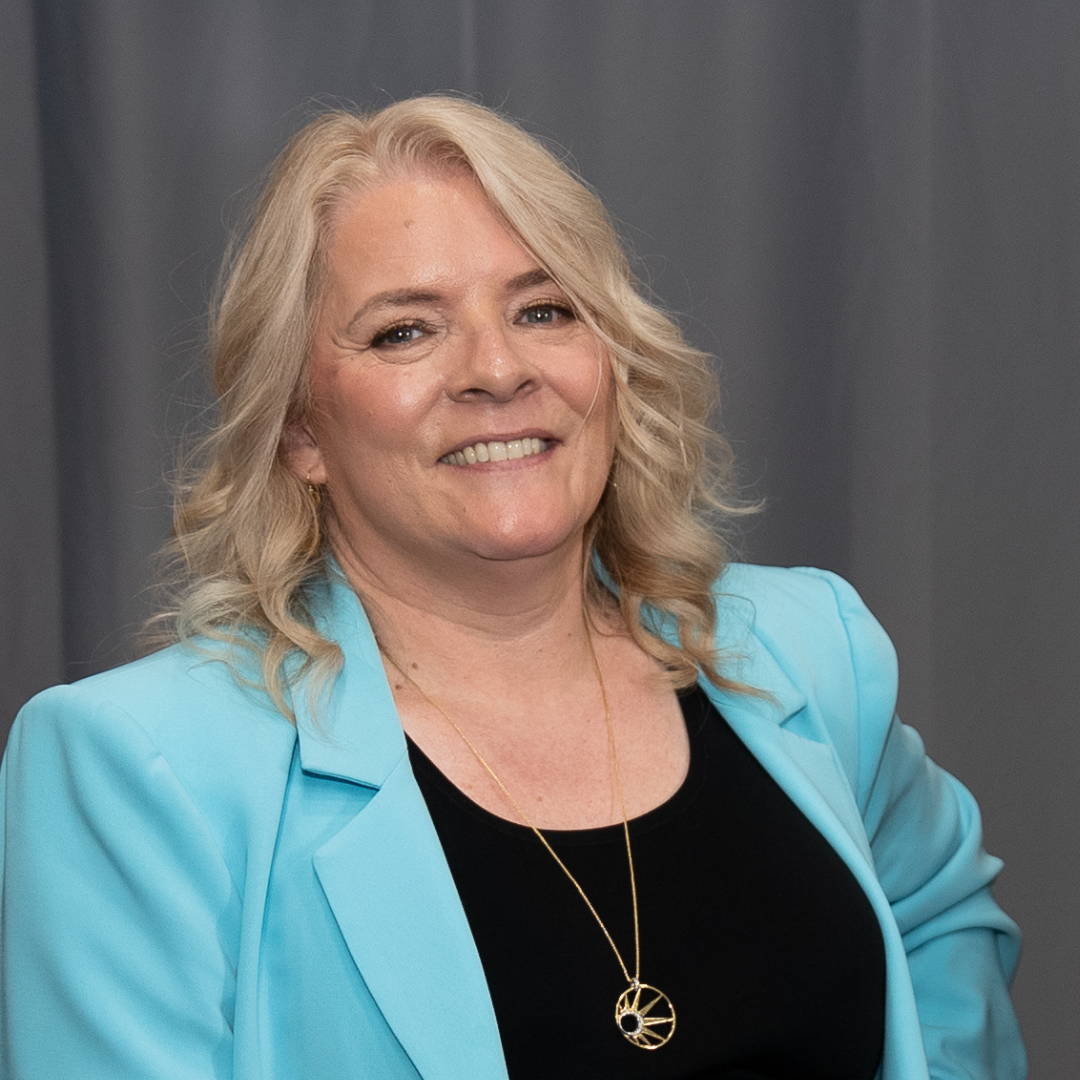
[00:00:52] Speaker C: And then we have two amazing guests. We have Sherrelle Mosee with bags that are amazing.
She has a patented bag design and has taken a leap, a bold leap into AI.
And then we have Lynn Rogoff. What if the future of Hollywood isn't human only?
Wow. She's getting us there pretty quickly with some pretty amazing stuff. So she's the CEO of Amerikids Productions. Can't wait to talk to her.
[00:01:19] Speaker A: And on top of all that, we'll explore one of the world's biggest superstars and how she's quietly working behind the scene to protect something far more strategic than just her music. But first, it's time for your new business journey. We'd like to ask our panel this question. When you look back, what was the one decision or moment that most changed the trajectory of your business? And what did it cost you to make that decision? Dr. Patrick Porter, welcome to the show. What was the one decision that changed the trajectory of your business?
[00:01:50] Speaker D: The biggest thing that happened to me was I found out I was unemployable. I always had these ideas and I'd bring them to whoever my supervisor was and they said, that's not your job. Just do this. And I found out that it was just basically I was trading time for money. And so I figured out I had to go create something or invent something or do something that was going to allow me to have the type of life that I wanted. And at first I realized that, hey, I needed to do something, I needed to do the things I needed to do, like put food on the table, do those kind of things until I could do what I want to do. And over the years, it's been 40 years since I've been an entrepreneur, and I found out that there's a journey in that and you have to get through the pain points. And then you hire people to do the things you don't like to do, and you keep focusing on what you love to do, and pretty soon you have the life that you want to live as an entrepreneur.
[00:02:37] Speaker A: I love that. And I think, you know, a lot of people become entrepreneurs because they don't necessarily fit the mold that corporations want them to fit. And if people have a lot of ideas and they're not adopted or taken seriously or rejected for whatever reason, I think it's pretty demoralizing. And so I can certainly understand how a creative person like you would definitely want to strike out on their own. Sheryl Mozi, welcome to the show. Thanks so much for joining us. What was the one decision or moment that most changed the trajectory of your business?
[00:03:13] Speaker E: The thing for me was saying yes, because oftentimes we come up with a lot of ideas, and we want to do this and that and the other, and we never step out to do the thing.
[00:03:25] Speaker C: We.
[00:03:25] Speaker E: We always get held back. And so in my mind, you really just have to come to a point where you're gonna say, I'm just gonna do this.
And once you settle that within your spirit, within your mind that I'm gonna do this, then you move forward.
Because, like I said, we often come up with a lot of ideas. People wake up with ideas every day, and oftentimes don't follow through. So it really is making that decision like, yes, I'm gonna do this, and then that costs me a lot of that.
[00:03:59] Speaker A: Well, that's very inspiring, Sheryl. And mindset is so important, right? And having that determination. But just getting to the point where you can say yes to yourself, I think is a great step forward and amazing advice. Lynn Rogoff, welcome to the program. What was the one decision that you made that changed the trajectory of your business?
[00:04:20] Speaker F: Well, imagine you're trying to make a film where you're crossing the Meraki Mountains and in a brutal blizzard in 1803.
Unless you had a budget of the Jurassic park, you couldn't do that.
And we found that it was too difficult to raise the money and to cast it. And so when AI video generation became available to us, we just leaped right on it and took the learning curve to learn and investigate the tools and. And make relationships with the technology people in the field.
And we started early, so we were one of the first people and companies to make a whole film series on AI. So we've been investigating the tools for several years now, and it keeps changing. AI video generation, that was a good
[00:05:18] Speaker C: decision, a good pivot Absolutely.
[00:05:21] Speaker A: And AI is changing the face of entertainment in so many ways. And we look forward to it. Forward to what? The future has to hold there. Elizabeth.
[00:05:29] Speaker C: Okay, so I'm gonna go the other way from Shirelle. I'm gonna say I learned to say no.
I had a couple people come to, quote, help in the studio when it was brand new last summer. And they helped a little bit. And then they just kind of wanted to hang out and just BS and just waste my time.
[00:05:49] Speaker A: You had groupies? You have groupies?
[00:05:51] Speaker C: I don't know. And I just.
So I really had to do a mindset shift. So I let that go on. And then at the end of the summer, I said, okay, we're done. Like, summer's over now we're onto other things.
Sorry, we're done. But I really had to take a hard line and take a business mindset. This is not just some fun place to hang out. And you can't just waste my time by talking to me about stuff that doesn't further my business.
So when they wanted to come back this summer, I said no. And they kept like feeling me out. And I finally had, and I like to be nice, I don't like to be mean to people. I finally had to do a super strong no. If you're not going to help me move my business forward, then I don't really have time for that. I'm sorry.
[00:06:36] Speaker A: And that's all part of being a CEO, right? Is, you know, drawing the lines, putting up the guardrails, making sure that things are done in the right and the most efficient way. So definitely putting a stake in the ground is so important, I think, for my transformative decision this week. I run a law firm, medium sized boutique intellectual property firm. And a couple of years ago we started setting goals, like revenue goals. Now, for most business owners, I don't think that's any big surprise, but I came from a corporate environment where we got a new business program every six months and it was called flavor of the month, right? You know, okay, we have this program and management would roll it out and make a fuss over it.
[00:07:21] Speaker C: The big blueprint, right?
[00:07:23] Speaker A: And three weeks later, you know, nobody got all got forgotten, right? But I started setting revenue goals for the team and it made a huge difference. And I don't really think I did anything different than what I was doing before.
Each year we increased our desired revenue by a million dollars. And we've hit our revenue target every single time. And each year I keep raising it, and each year we keep hitting it. So this Year we're trying to do a few new things to try to make that a little bit easier. We're adjusting the organization, but setting those goals is so important, I think. So anyway, that's it for your new business journey. And it's time now for Our featured guest, Dr. Patrick Porter, talking about how just about everything you ever heard about optimizing your brain is wrong and how burnout occurs. And he has some solutions to some of those issues. So welcome to the show, Dr. Porter. Tell us a little bit about the work that you've been doing and how we can improve brain function.
[00:08:28] Speaker D: It all started because I'm a clinical psychologist, so I was working with people with pain back in the 80s and this was before opioids. So we were trying to find ways that we could do that. And what we noticed was when we had people meditate to a candle that their brainwave would shift out of beta, which is your wide awake, alert conscious state, which we need as entrepreneurs. But if it gets too engaged, we become over vigilant and actually the stress inhibits us from making good decisions. You know, if you take a stress test like you get divorced, lose your job, you shouldn't make any life decisions, those kind of things.
And what we noticed was that this shift happened. And now we know that every cell of our body is something called a mirror neuron. Our environment plays a big role in how we feel because our body is changing every 40 seconds. I mean every DNA pair is changing every 40 seconds. So you're not the same person that started this interview. You're a different person. Your cell obtains 50 million cells per second. So we started thinking, how can we use light, sound and vibration to enhance wellness. And what we found was that the LEDs just came on the market. So when you think about what happened with me at Consumer Electronics show, we were like an alien invasion. Nobody was doing what we were doing. We created a whole new industry. You know, we're all over the world now where we do a lot of research. I have a 6,000 square foot research lab where we're always researching how can we optimize human performance. And I just want to share one story with the entrepreneurs.
It actually took place at Google and Microsoft, but it'll make sense to the entrepreneur.
They came to me after the COVID experience and what happened was they, they said, hey, all these programmers are getting burned out. And a lot of entrepreneurs get burned out. They have a seven year itch or five year itch, whatever it is. And I said to them, I said, if you give me 20 minutes at 2 o' clock in the afternoon, I will resolve your conflict with burnout. And they said, what do you mean? I said, every day at 2 o', clock, your biology, you drop 2 degrees. This is a factor of life. It's actually called the circadian rhythm. And our sun tells our body where we are in space and time. So when that reboot happens, if your brain is dysregulated, you'll actually lose more energy and you'll think you have low blood sugar. You don't have low blood sugar, you have a brain that's dysregulated.
So I said, we're going to give them our technology, which is called Braintap. Light, sound and vibration. Do the 20 minute session. Now, first of all, no way they were going to do it. They're too busy, everybody's too busy to improve themselves. And they don't realize that if you take some time to improve your brain, everything else about your life is going to get better.
So I said, just give me two weeks and I guarantee you will never stop doing this at 2:00'. Clock. Well, what we found out statistically, these were programmers so we could measure keystrokes. The group that used the brain tap at 2 o' clock in the afternoon got 26% more work done. Their happiness score improved 54%. Their sleep improved 43%.
And across the board, their life improved by taking a 20 minute break because they had a neurological reset. They had a new morning. So most people know, hey, I make my best decisions in the morning, but they only have one morning. But the reality is that we're the only culture in history since the Industrial Revolution that works past 2 o'. Clock. You know, there's nobody running around in the Serengeti at 2 o'. Clock. The Lions and zebras are laying there. There's nobody getting up, chasing around looking for food. There's no hunters and gatherers after two o' clock that want to get caught out in the dark because they're part of the food chain. But in our culture, we have lights, we have technology.
So technology can be both good and bad. And what we found was by taking that break, that became the breakthrough in what's happening.
[00:11:59] Speaker A: Dr. Patrick Porter, he is a CES award winning inventor of Braintap.
[00:12:05] Speaker C: How do people get this? Do you sell this apparatus?
[00:12:09] Speaker D: Oh, yeah. We're in 3,000 clinics across the US but you can also buy it directly on our website, trybraintap.com and you can start doing it. It's a Wellness device. So it's not a medical device, although we have studies that show it improves everything from sleep to actually even getting off opioids. We have different studies out there going on right now for Parkinson's. We have a dementia study that actually, within six weeks, every person in our dementia study is off the dementia scale. Because it's about energy. And every entrepreneur would tell you that it's their energy that drives the business, but your brain drives the energy through our nervous system and makes us do the work.
So if you're having a job, most entrepreneurs work their job. They get home, they hit the couch, they pass out, they wake up, rinse and repeat, and pretty soon they have burnout. The reality is that their brain is not engaging because it doesn't have enough energy. When you were born, your brain was 18.1 volts. You had a 100 billion neural bit processor. You were processing far beyond any AI could ever dream about, because every neuron is equivalent to a Cray computer.
But people aren't using its capacity. They're using what they can. But it needs a break. You know, when our most favorite user that does a lot of proning for us is Tom Brady, he doesn't look like the biggest physical athlete, but what he does is he knows about recovery. So when Alex Guerra, his PT, started using BrainStep with him, he now has it on his jet and flies around with it. And everybody who gets on his jet gets to do it. Because we also can solve the problem of jet lag. Because it's not jet lag, it's light lag.
[00:13:38] Speaker A: As I work through the day, when I get home, I'm tired. That feels like brain fatigue. But is that some other type of fatigue?
[00:13:47] Speaker D: Your body will show up as fatigue. When your brain's fatigued, your muscles, bones, and ligaments do nothing without your brain. So what happens is every cell of your body also has something called a chroma form. This is a little battery that sits on the cell, and it absorbs light, sound, and vibration. It does this all the time. And just to give an analogy, if we were at a rock concert together or a concert or a party, and maybe you didn't want to go there, but they started playing all your high school favorites. Pretty soon, you start tapping your toes, you start dancing. That's because the cells fill with energy. It's called the electron transport chain. This is what causes everything in your body to work. So when you're doing your left brain job, being a lawyer or helping run a law firm, that's A very high stress job. It's not the same as being a farmer or a road worker. When you're where you can go have a beer and a pizza and now you got energy for the rest of the night, you're up till 2 o' clock because you just burned out the sugar in your cells of your body. You burned out your brain because your brain uses something called ketones, a lot of great things.
[00:14:48] Speaker A: I think people would agree with you that my brain is pretty much burned out at this point. But can you describe the role of sleep? I mean, how does sleep work on a practical level? What happens when we're sleeping?
[00:15:00] Speaker D: Sleep is the number one way your brain gets thick. So just to put that in perspective, it used to be we'd brag, I only get four hours sleep, I only get five hours sleep. Sleep is not a luxury anymore, it's a necessity. And what we need is six and a half hours is all you really need. The lie about eight hours, that's a lie. All longevity studies show six and a half hours. But you need one hour of deep sleep. Because imagine you and I were in medical school in 2015 and we're doing a sleep study and then we notice something in the brain that hasn't been noticed in the history of time. I'm think they found a new part of the human body in 2015 called the glialymphatic system. This is the detox system of the brain. If you don't get sleep, you don't detox your brain and you know, like your home, if you don't clean your home, it's going to get cluttered, it's going to get messy, it's going to be hard to find things. Just a lot of inflammation happens in the brain when that happens. So sleep is key.
In fact, our user base, we have 120,000 users. Most of those users use it between 10pm and 3am to get to sleep. Because when we downregulate the nervous system, you do more neurological activity when you're sleeping than when you're awake. I jokingly say, but it's the truth.
[00:16:12] Speaker C: You know what? I am such a vivid dreamer. Oh my gosh. And I can't hardly remember, but I wanted to ask you, you have a book, Brain Fitness Blueprint. So can people use this device by itself or are there techniques in your book that help it be more effective?
[00:16:25] Speaker D: The book isn't all about just brain tap. There's lifestyle changes you can make. Number one lifestyle change you can make is give up your morning Coffee first thing in the morning, you can have it two hours after you wake up. But when you have that coffee first thing in the morning, you crush something called the cortisol curve. Your brain doesn't make dopamine, cortisol, norepinephrine, and that's what you need. You should wake up a little nervous. It's the first day of school, you're going to do something new and different. It's exciting.
But when you drink the coffee, you actually flatten that curve. And then you're tired. When that coffee buzz wears off, you're tired. So you either have to recaffeinate, but if you wait two hours, that coffee will do what it's designed to do. Your brain is the most powerful pharmacy on earth, so we need to activate.
[00:17:05] Speaker A: I think there's coffee though, that gets me out of bed.
[00:17:07] Speaker C: Do I get an exemption for tea?
[00:17:12] Speaker D: Herbal tea you'd get an exemption for. You will love your coffee even more if you do what I'm saying. Also in the morning, I'll give it a try.
[00:17:19] Speaker A: Just because you're on the show, I'll give it a try and I'll definitely report back.
[00:17:24] Speaker C: Should you drink water?
[00:17:25] Speaker D: Oh yes, a lot of water. And you put mineral salt in the water and this you can buy at the grocery store. Get full spectrum salt, not table salt. Think of every cell like a battery. If that cell isn't getting the right minerals, it's not transacting information. And MIT just proved that the sun and our cells are both beaming information to our body to tell it what to do. That's why we naturally get tired around 10 o' clock at night, because we make more melatonin at night. Between 10 and 11, you clean your liver. Between 11 and 12, we could go around the clock. And so in the morning, what we want to do is we want to get up, do some kind of physical exercise, something that's going to trigger. Think about this for a minute. All the sugar in your system is now in your muscles. Your body has cleaned itself out. You have perfect ph, then you throw a cup of coffee in there. You just put your body into chaos. But if you use that for physical exercise, what happens is now you're training your muscles to use the sugar that's available now. You can make second level digestion, which is ketones.
Your body makes its own because all that stored fat on your body is now going to be liberated and used for brain food. This is how people that think smarter, think faster and think better work. Is they. Most people are Walking around with a year's worth of energy on their body because under stress, and an entrepreneur gets a lot of stress, they signed up for it. But that stress does something incredible to the body. The first thing it does, it tells the liver to dump 25 grams of sugar into your bloodstream. There's no place for it to go in the morning. So if you just stressed out your body first thing in the morning, there's no place for that sugar to go. Your body has to start the insulin pump immediately. You start building fat cells to store those toxins. And where does it put it? Not where we want it. It puts it on the adipose tissue and then we get what's called insulin resistance. You can go on any diet you want. Until you fix the diet of your mind, you're never going to keep the weight off. And I just featured in People magazine in 2006, they said, why don't you have a diet? I said, it's not what people eat that's killing them, it's what's eating them. It's their thoughts that are killing them.
[00:19:25] Speaker C: So what do you think is the healthiest morning routine? When you first get up, what should you do for the first hour?
[00:19:31] Speaker D: I get up and do a cold plunge and do my sauna and do my exercise, you know, and I love cold plunging, so 39 degree water. Get my body shocked in a good way to start using that sugar in the system. But let's say you're not gonna do all those crazy things you just wanna have a ritual think of, not as habits. These are rituals. So in the morning, first thing you get up, large glass of water with salt in it, as much salt as you can stand, you know, like a tablespoon if you can, then drink that down immediately start doing some kind of physical exercise, you know, whatever that is. It could be something just as simple as taking a walk out in nature. Just get the blood flowing, get the muscles that have that sugar in them. Using that sugar to transact information, which is the form of walking, talking. Whatever you do in physical exercise, like weight training is best because as we age, you know, I'm middle aged, I'm only 65. So when you think about when you get up in the morning, your body wants to move and breathe. Then when you're done doing your exercise, sit down and just relax for five minutes. Your brain does something amazing with exercise. It creates bdnf, brain derived neurotropic factor. Think of it as miracle growth for the brain. So while you're sitting there for five minutes listening to some relaxing music. Do not at all cost turn on the news.
Because there's a secret to being unhappy. It's listen to the news. I always tell people, if you're too happy, just turn on the news. You're gonna be miserable in five minutes. I'm not saying don't be informed, but don't do it first thing in the morning. It's better to do in the middle of the afternoon or something like that if you wanna be informed. So then once you've done that, now it's time to eat breakfast. When you're eating your breakfast, it should be a high protein breakfast. That means eggs or protein or whatever you wanna have that has mostly protein, some good fat and what most people don't know what fat's good for them. So I tell em go to the store and get a high quality olive oil like California olive oil that's been certified that it's real. Don't depend on Italy, because if a boat passes by Italy in the ocean, they say it's from Italy. You know, a lot of seed oils are one of the worst things. In fact, statistically speaking, seed oils are worse than sugar for your brain.
So olive oil. Replace your salad dressing with olive oil and put Italian seasoning on it. You're going to find you reduced your chances of dementia by 40% just by doing that one thing.
[00:21:53] Speaker A: Dr. Patrick Porter, he is a CES award winning inventor of Braincap. We have to take a break for a commercial. We'll be back right after this.
[00:22:02] Speaker G: You hear that? That's the sound of uncertainty lurking under your hood. You know the feeling. I know I do. That sudden sinking sensation when you see a check engine light or your car unexpectedly breaks down and you're faced with sky high repair bills. It's time to shield against unexpected repairs with Car Shield. Car Shield is America's most trusted auto protection company and has an A rating with the Better Business Bureau. Don't let the fear of a breakdown keep you up at night. Trust the Shield Car Shield. And say goodbye to terrifying repair bills and hello to peace of mind. Your plan also comes with 247 roadside assistance, courtesy towing, rental car car options and so much more. Don't wait till it's too late. Call Car Shield now before a breakdown. Protect your wallet. Protect your car with Car Shield. Get our best protection ever. Call now. You'll thank me later. 8002-612176-80261-2176. That's 800-261-2176.
[00:23:01] Speaker B: Have you outgrown your health insurance plan or just not happy with with what you're paying for? The number one reason we all change our health insurance is price. Are you paying too much for your health insurance? Would you like to have better coverage at a better rate or at little or no cost to you? Your life needs are always changing, but have you done anything to improve your health insurance for you and your family? Health insurance laws and coverage are always changing and getting better. It's in impossible to do all the research yourself, but now it's all done for you for free. So regardless of your age or medical condition, take a few minutes right now and find out if you can save money or even qualify for zero cost health insurance in your state.
[00:23:47] Speaker G: Call now paid for by cheaper health insurance. 8006-5214-7080-0652-1470.
806.
That's 800-652-1470.
[00:24:01] Speaker B: Now back to passage to profit once again.
[00:24:04] Speaker A: Richard and Elizabeth Gearhart. We're here with Dr. Patrick Porter, author of a new book about brain fitness. What's the title of the book, Dr. Porter?
[00:24:13] Speaker D: Brain Fitness Blueprint.
[00:24:14] Speaker A: So I want to go back to sleeping because I did not sleep well last night and I'm hoping you can tell me why. I did not have any particular stressful events. There was nothing that I felt particularly anxious about. But every once in a while I wake up in the middle of the night and I have a hard time going back to sleep. Most of the time that doesn't happen, but it happens every once in a while. I'm just wondering if you have an explanation for weird sleep patterns because I'm sure a lot of our listeners have the same issue.
[00:24:44] Speaker D: A lot of people say, hey, I hit the pillow, I go to sleep. That's terrible. You don't want to do that. You have to unwind the body. Think of it like an electrical system that's full of energy. Most people are running around about three volts of energy coursing through their body. It should be zero. And you can test this. Go to Home Depot, get a volt ohm meter and measure your voltage. Walk doesn't help.
[00:25:02] Speaker A: You have two little bolts sticking out of your neck.
[00:25:07] Speaker D: Remember, you are electrical being. You're a light being. We take these physical forms, but the reality is that the electron transport chain is all electricity. So all that electricity is coursing through your body. If you didn't round in, one of the best ways to do that is when you're laying in bed or wake up in the middle of the night is do a four, eight breath. And what I mean by that is you breathe into the count of four. This is going to trigger a part of the system called the sympathetic system.
This gets locked. What happened to you was your sympathetic system got locked. You weren't able to cycle through it. Usually we have a upset situation or we have a crisis, we recover. It's not constant 24 hours, but we live in a world of 24 hour news cycles. Chronic stress, especially an entrepreneur, you got to do everything. So what you do when you get in bed is you're going to unplug that by breathing out. You breathe into the count of four, breathe out to the count of eight, and when you're breathing out to the count of eight, you're going to do what we call a body scan. Notice some people go to sleep and their fists are clenched, they don't even realize it, or their jaws clenched. And so when you unclench those and you're breathing out, you're going to train your body. It's called latency. You get knocked down in your score if you go to sleep too fast. It should take you anywhere between 10 to 20 minutes to go to sleep. That's not a bad thing. You're unwinding the body and then you just naturally drift off into sleep. And if you wake up in the middle of the night, you do the same thing. Now there's different breathing techniques for the day. So this puts you to sleep. Because our breath is directly linked to our nervous system and 70% of our nervous system just happens to reside in our brain. It's not just our spine and our arms and legs. Our brain needs that release.
[00:26:44] Speaker C: Well, do you think for brain health that you need to eat a lot of fruits and vegetables? You said drink a lot of water. How much does your diet affect it?
[00:26:53] Speaker D: You can't outthink a bad diet. You can't out exercise a bad diet either. So food is really important. What I do, because I'm not always the best either because I travel a lot. I do about 64 lectures a year out there. But yes, vegetables and fruit are very important. Fruit, not so much. The best diet is to change your diet every three months. Our body is used to adapting. Think about this body, even though you know you might be, whatever, 12 years old, 50 years old, 100 years old, doesn't matter. The genetics in this body have been around for 200,000 years and that's driving your system. In fact, MIT actually proved that 54 generations of your ancestors are interfering with your DNA right now. Your mom and dad, their mom and dad, their mom and dad, that's all bleeding through. Because when you were first born, when that seed and that sperm got together, that energy, that spark transferred all that knowledge into you. You weren't born a clean slate. That's why they did an experiment. They took a duck and they put it in with chickens, and they said, you know, it's all about how you're raised and how people respond to you. It has nothing to do with your heredity. Well, this duck, as soon as it cracked open, it left the chickens and went to the river and started swimming. Well, ducks and chickens aren't the same. Right? So how did the duck learn that? It was already in their DNA. That's why if you're married, you know, your spouse usually tells you you're acting like your father, you're acting like your mother, you know? You know, because that genetics.
[00:28:16] Speaker A: Not a compliment, by the way.
[00:28:20] Speaker D: Yeah. So, I mean, what. So what we're saying here is that you can change that by the food you consume. Because think of food as energy now, not as just a pleasure. Now. You can have your pleasurable foods. When I was growing up, we only got dessert on Sunday. You know, after church, you know, we'd come home, we'd have our big meal, we'd have dessert. But during the week, we didn't get dessert. But everybody now has dessert for breakfast. They have orange juice, a banana, and Danish. That also spikes the sugar. Sugar is the most neurotoxic thing that we can put in our body for our brain. So in eating, I always tell people, if you can't read the label, don't eat it. You know, and also, God's labels are always the best. You know, there's no label. You know, it came from nature. But you can't live. You can't be a vegetarian today. I've met too many sick vegetarians. Because the food we're eating today, for instance, if we took an orange today, to get the same vitamin C, we'd have to have 30 oranges. That was back 20 years ago. So you have to supplement. You have to find a good mineral, which is what I'm talking about with the salt. You have to find a good vitamin and then eat normally. Eat what you want to eat, but eat normally. Don't eat like, you know, when. If we took back. If we could go back in time to when I was growing up, and I always say, I love Lucy, you know, when I love Lucy was having dinner with Ethel. They had a half a sandwich and a small tumbler of soda. That was their lunch. If we get that today, man, we're screaming. What do you mean, where's my double burger? In my Big Gulp drink. You know, we're over taxing our system.
[00:29:48] Speaker A: Dr. Patrick Porter, this has been absolutely fascinating. What are the top three things that people should keep in mind for maintaining their brain health?
[00:29:57] Speaker D: The biggest thing is solve real problems, don't chase trends. You know, I started something totally new because there was a real problem I could solve. Stay curious. The brain thrives on new experiences. This is called neuroplasticity. Build systems, not products. When you have a product out there, that's one thing. But if you can build systems that work, that's gonna be number one. You know, build a system around it. You're gonna have a solution that people will pay for.
[00:30:22] Speaker A: Dr. Patrick Porter, where can people find you if they wanna learn more about your book, about your products?
[00:30:28] Speaker D: Well, we have a website called the brain fitness blueprint book dot com. But we also, they can go to drpatrickporter.com if they want to try out the technology for free. We have a 14 day trial
[email protected] and if they just put my name in the search engine, they'll see a few billion things I've done. So you know, I'm out there.
[00:30:47] Speaker A: Well, it's been wonderful speaking with you. Thank you so much for sharing so much important information. I'm sure our audience, who are already very smart, are going to be a little bit smarter after hearing this episode. And now it's time for real AI
[00:31:04] Speaker C: Use Cases Business Owners Roundtable. So I'm going to ask everybody here one way, like their favorite way that they're using AI in their business. We'll go through that and then, then we're going to just do a roundtable where we talk about all the different ways people are using AI because what we find is if you're using it one way or using it a million ways.
So, Dr. Patrick Porter, what is your favorite way that you're using AI?
[00:31:27] Speaker D: Well, my biggest question on my app, because we have 3,000 different sessions on there, is what do I listen to? So we created Dr. Pai and it took every book I've written. I've written 11 books. It took every lecture I've ever given, put it all into AI. And that thing's smarter than me, really. I mean, when I ask it questions, it comes up with some really good things, but it stays inside the bounds of what I've written and done.
And it's on our app. So now when somebody searches, they can ask it a question. And it's like me giving them the recommendation. It freed me up tremendously because that's probably the biggest thing that I do.
[00:31:59] Speaker C: That's excellent. Sherelle Mosey, what is one way you're using AI?
[00:32:04] Speaker E: I'm actually cloning myself to help with marketing so I don't have to do individual videos myself.
[00:32:11] Speaker C: That's excellent. I'm right there with you and Lynn Rogoff, what's one way? I know you're using AI all over the place. What's your favorite way?
[00:32:19] Speaker F: Right now we are generating motion pictures with AI and we're using software like Cling and Runway and Sora. That is one of the ways that we generate the images and to generate the prompts to get the images. We use ChatGPT to help us with generating a well written prompt. In the world of prompting engineering, you have to have a very specific prompt that takes a real learning curve learning how to write good prompts. And so that ChatGPT helps us.
[00:32:56] Speaker C: Richard Gearhart, what is one your favorite way you're using AI right now?
[00:33:01] Speaker A: My favorite way? Oh, let me count the ways. What I really wanted to talk about was the vast number of projects that we're getting at the law firm now for people who are filing patents on AI. And I am just really impressed with the scope of technologies, the industries that people are using to apply AI areas that you just wouldn't even think need AI. But people who are experts in those areas, who have domain expertise are coming up with ways to utilize AI for everything from fitness to asset management to real estate to security.
There's just a whole universe of new applications. It's like a gold rush. Right now, everybody is filing patents on artificial intelligence.
[00:33:50] Speaker C: So for me, Elizabeth Gearhart, I'm with Shirelle. So I just made my AI clone and I did it in our studio. So a lot of people in sh. You may have had the same experience. A lot of people, if you tell them, they say, well, I tried doing a clone. It didn't work. So you have to have a lot of light I found and a really good camera and a really good microphone. And you have to go through your whole range of emotions and Talk for about 10 minutes to get something that comes out decent.
And I tried it as a YouTube short, but I used a script from Google Gemini and it bombed.
It totally bombed. So I'm going to try putting in more natural sounding scripts and try using it. But people that see it, like my friends are like, oh my gosh, I
[00:34:33] Speaker A: thought it was a really good video.
I was surprised it didn't get better traction. But it's really a, a question about how people are going to be responding to AI created footage.
[00:34:44] Speaker C: It'll be interesting. I'm going to try, I'm going to keep experimenting. I know that different people here are using AI in different ways. What have been your experiences? Like, sometimes it bombs, sometimes it works. What do you guys think?
[00:34:55] Speaker F: So there's a technology called DID which makes AI agents with your image or their image and controls the knowledge base. We've been using it. We made six characters from our film where you could go and ask the characters any question you want.
So I always recommend using a technology that's been tested and proven and iterated and they have come up with the state of the art for AI agents and I highly recommend them. And you can go and look at their website and we looked at it yesterday and we couldn't believe that it was not a real person speaking.
So they've really developed their software. I really recommend it.
[00:35:44] Speaker C: Well, I'm trying to figure out right now where to put all of my content to start generating the clone like Dr. Patrick has, because I use personalized. Gemini Chat has its own and I'm not really sure the best place to put all the content to synthesize it down to the essence of me to be able to answer people's questions. So, Dr. Porter, where are you putting yours?
[00:36:08] Speaker D: Well, I hired someone to do it. So I'm not an AI expert, but I've been using it a long time now and they just gave me a place to put all the new content as I create it. And it works inside of ChatGPT. I had somebody try to do a video of me and I'm not there yet. So I'm Sherille. I'm really interested to see your end result.
[00:36:28] Speaker C: Okay, well, thank you everybody. This has been Real AI Use Cases Business Owners Roundtable from the Passage to Profit show. It's been edited to fit our radio spot. So to hear the full discussion, go to our YouTube channel, Real AI Use Cases Business Owners Roundtable. And also don't go away because coming up, I'm really excited to talk to our next two entrepreneurs and also we'll have secrets of the entrepreneurial mind.
[00:36:50] Speaker H: Here's a real life story that affects 50% of all of us out there.
It's called Divorce. If you've gotten divorced and now you're struggling to pay your bills and your credit card debts are completely out of control. You need to call this special debt relief hotline right now. We help people with all kinds of money problems caused by different life challenges. A divorce, a job loss, even heavy medical bills. All these life events can sometimes financially stress you out and cause you to get out of control. We help people get their lives back by showing them ways to consolidate and retire, reduce their debt, in some cases for a fraction of what they owe. If your credit card balances are more than $10,000, call us and learn how to reduce your credit card bills and monthly payments. Now here's our number paid for by
[00:37:32] Speaker G: Debt.com call now at 8008-1008-5780-0810-0857 800, 810, 0857. That's 800-810-0857.
[00:37:49] Speaker I: Learn how thousands of smart homeowners are investing about a dollar to avoid expensive home repair bills. John, a former non customer said, my air conditioner broke and I had to spend $1,900 to fix it. Jeff, A customer wrote, my air conditioner broke and I got a new one at no out of pocket cost. Mary, a former non customer, wrote, my heating system stopped working running. I had to spend $3,000 to get a new one. Lisa a customer wrote, my heater stopped working. I got it fixed at no out of pocket cost. For about $1 a day, you can have all the major appliances and systems in your home guaranteed fixed or replaced. Call now. If the lines are busy, please call back.
[00:38:31] Speaker G: Call the Home Warranty Hotline now at 800-255-4940-880025-54940, 8255-4940. That's 800-255-4940.
[00:38:48] Speaker D: Passage to profit continues with Richard and Elizabeth Gearhart.
[00:38:53] Speaker A: Quick shout out to our friends at WARK 1320am and 101.3 FM in Washington, D.C. and Hagerstown, Maryland. Thanks for listening and if you're new here, Passage to Profit is a top ranked entrepreneur podcast and radio show heard on 39 stations across the United States and also in Guam. It's a place where founders share what really works. And now it's time for Intellectual Property News. So has Taylor Swift really trademarked her voice? Well, not quite. There's been a lot of headlines recently about Taylor Swift locking down her voice and lightness, but that's an exaggeration.
What she actually filed under her tas right management company is Much narrower and more specific. So what she actually filed on were two sound marks. So you can trademark sounds under trademark law. But she only trademarked the phrases, hey, it's Taylor Swift, and hey, it's Taylor. So these are the kinds of clips that you'd hear maybe at the start of a recording track or in a promotion or an announcement or, you know, when she's on stage. She also trademarked one specific design mark, which was a specific photo depiction of her performing. And reportedly this is featuring her singing with a pink guitar. And that's it. Just those two phrases in that picture. But what the media is reporting is something different. They're reporting that she's trademarking her voice, which she is in a very narrow sense. She's also trademarking her image, which she did. She trademarked a picture, but not like some sort of general image. So what these rights actually give her is fairly narrow. They protect her branding, but not her identity. So if she does get to register these, then she gets protection for those exact phrases or very close imitations or that specific image or certain variations of it. And they can only offer protection when she's selling music or she's promoting content or she's talking about entertainment services. So what she does not get, though, is her voice in all forms. She does not get AI generated sound alikes or clones, and she doesn't get to protect her voice from anybody singing in a Taylor style. So someone doing a convincing imitation is not automatically going to be stopped by these trademarks. It only becomes a problem if consumers might think that she endorsed or created the content.
So why are we getting these headlines? Well, it's obviously clickbait. I don't think Taylor Swift really minds because many people would stay away from doing what she's been talking about and, you know, wouldn't take the extra step to infringe because they might hear these stories and think that she has broader rights than she really does. But trademark is a limited tool here, and she would have to lean more on right of publicity laws or false endorsement claims if she wanted to take action against a more general type of infringement. So when you hear headlines that Taylor Swift has trademarked her voice and her likeness, be aware of the legal reality that she really only trademarked a couple of catchphrases and a specific image of her as branding tools. And it's a smart move, but it's not a sweeping new right. If you want to learn more about trademarks, you can visit our website at www.learnmoreaboutrademarks.com you can download a free piece of content relating to trademarks, or you can book a consultation with a Gerhardt law attorney.
[00:42:52] Speaker C: Passage to Profit with Richard and Elizabeth Gearhart.
[00:42:55] Speaker A: Later, we'll hear from Secrets of the Entrepreneurial Mind what successful founders really think that most people never see.
[00:43:02] Speaker C: And now it is my pleasure to introduce Shirill Mosee, the inventor of a product line called minkyblue.com. she has the most incredible bags for women and she's also using AI. Welcome, Shirill. Are you helping people with AI now? Is that part of your business?
[00:43:20] Speaker E: Yeah, I still, I have Minky Blue. I'm still selling Minky Blue. So when I first got started with my business, it was maybe 13 years or so ago. At the time, I was running a nonprofit where I helped low income single moms in college pay for childcare. And I would see the moms come in struggling with their diaper bag and their book bag. And I was like, wait a minute, I'm taking the train in the city and I have my lunch bag and I had my shoes, a plastic grocery bag, and I had my laptop bag. So I was carrying all of these bags and I just wanted one bag that I could organize and separate everything in the bag and not be struggling with two or three bags. And I thought there's got to be a bag on the market where I could separate my shoes or my lunch in the same bag from my purse essentials. And I went shopping for this bag and I looked on the Internet and I couldn't find anything. And I said, maybe I can make this bag. And I was like, nah, I don't know the first thing about manufacturing. I don't know about marketing or anything like that. And it took me a minute before I made that decision, said that, yes, that whole mind shift, and decided I'm just going to go for it. And that's how I got started in the bag industry.
[00:44:48] Speaker A: What can you say that you've learned over the years as a business owner that you want to share with other people who are thinking about starting a business like yours?
[00:44:59] Speaker E: I think number one is about solving the problem that other people need. I think that's the biggest thing for me is that when I started, it was about solving a problem. Because when I was on the train going into the city with all of these bags, I'm looking around on the train and I'm seeing other women with two or three bags and their shoes in a bag. So I knew it was a problem that needed to be solved. So I would say that would Be the first thing. And then the other thing is really enjoying the process. You have to love what you do because you're going to get up every morning and tackle this thing and work on this problem. So that's another piece of it that will be a part of my advice.
[00:45:41] Speaker A: And what have been some of your biggest challenges? You've been doing this now for 13 years. That's really a remarkable track record. I mean, most businesses don't survive for that long. What was your journey like, and what were some of the bigger challenges that you faced?
[00:45:56] Speaker E: The biggest challenge is manufacturing. So I mentioned that when I started, you know, I didn't know anything about manufacturing. I never designed a bag before. I mean, I never even worked at the mall in a store. So I didn't know anything about retail. But I made that decision. And initially I wanted to manufacture in the U.S. but the cost was just so expensive during that time. And so I made that decision to go and manufacture over China.
I made another decision to actually travel to China and scope out some manufacturers during that time. But that was a real challenge because I didn't know anything about manufacturing. So my first order, I had ordered a couple of thousands of bags, and that first order that I got, 30% was defective. So I could have actually easily stopped at the beginning of my journey because I lost a lot of money. And I know we always talk about the quality of product coming out of China, and part of that was not knowing the process, not understanding manufacturing, not knowing how to communicate with the manufacturer early on.
So I wouldn't say that that was fully the manufacturer's fault because I was naive. And as I look back, there was a lot of things that I didn't understand to be able to convey with the manufacturer to make sure things were correct.
[00:47:25] Speaker C: If you had a to do over, would you hire an agent to do that for you? Like someone in the States that travels to China, that knows the factories?
[00:47:32] Speaker E: Actually, over the years after that mistake, I did hire somebody that lived in Hong K that would be my production manager. And we actually became very good friends. She would travel back and forth to New York, and I met her. And then I met her when I went to China again. And she came and she stayed with me at my house. So that's how close friends we became. And she became my production manager. And of course, things were improved over that time. But manufacturing has definitely been the biggest challenge over the years. You know, even that journey, going from the factory and bringing it over to the US I've had unforeseen challenges at the port. One year the workers were on strike, which drove up my prices because it was sitting at the port. It's all of those things that you have no control over while you're running a business. It becomes really challenging.
[00:48:34] Speaker C: Do you feel like having intellectual property has helped your business? Can you put an ROI on it at all?
[00:48:40] Speaker E: Yeah, I'm glad you asked that question, because I knew when I started, I filed for a patent in 2013, right after I designed the bag, because I knew that if I was going to go into this business, I needed something to differentiate from everything else on the market because handbag industry is so saturated. And me as a new designer, an unknown designer, how can I differentiate my product from everything else on the market?
And so I came up with this idea to put a shelf in the middle of my bag to be able to separate my lunch or my shoes and all of my bags. I market them as travel and work, but all of my bags include this little insulated lunch bag inside the bag.
[00:49:34] Speaker C: Awesome.
[00:49:35] Speaker E: So I don't have to carry an extra lunch bag in there or toiletries or makeup. And when I'm not using this bag, I actually put my shoes down here or change of clothes or my workout gear all at the bottom of the bag. And then here is where I put that shelf right in the middle of the bag so I can separate my purse essentials here from my shoes or my lunch at the bottom. So I'm not carrying shoes in a plastic grocery bag. I'm not carrying an extra lunch bag. So the patent comes in is that the shelf here? When I unzip it, I can unzip it and open it up and turn it into a full backpack or a tote bag. So it's a convertible bag. And then I can put my. My laptop in here.
So the patent is really on that shelf. The functionality of the shelf to be able to open it up. As an entrepreneur, we come up with a lot of different things. I really think it's important for your intellectual property because a few years ago, my bags went viral on social media. And I was like, oh, no, I know I'm going to get copied. I just know I'm going to get copied on Amazon.
And lo and behold, the suppliers started making my bags with the convertible shelf and so on.
And so Amazon has a program to help patent holders on their platform.
And so we started going after those suppliers. And I have licensees now, so I allow them to sell their bags for 49.99.39.99. But I collect licensing fees from those suppliers. So intellectual property has helped me tremendously. I think it's important.
[00:51:35] Speaker A: Yeah, we hear that that's actually worked out pretty well for you. It can make a difference. When you have intellectual property, you have options that you know. And you didn't have to go to court, you only had to go to Amazon. Right, Right. And that's another important piece. When you're in the consumer products area, you have options. You don't have to file an expensive lawsuit to enforce your rights.
[00:51:56] Speaker E: Yeah. I just wanted to share that. The bags. I've been featured on QVC and the Today show.
The bags are now sold in Macy's. So it's about perseverance and working through all of those to get to the successes. I won a TV show called America's Big Deal, which actually I was awarded $100,000 to get into Macy's. So I really want to make sure that people understand, even though you go through a lot of different challenges, it's about the perseverance and keep pushing to see the success and the wins. So.
[00:52:32] Speaker D: Wow.
[00:52:33] Speaker A: Well, we couldn't be happier for you. That's. I thank you for sharing that.
[00:52:37] Speaker C: So. Yeah. So to find these bags, it's minkyblue.com, right? And that's m I n k e e blue dot com. I think the originals are probably a lot better than the knockoffs. Honestly.
I'm getting an original. I'm not buying a knockoff.
[00:52:53] Speaker E: Absolutely.
[00:52:54] Speaker A: It's a wonderful product. And how else can people reach out to you?
[00:52:58] Speaker E: It's Inkey Blue on Instagram and TikTok and Facebook, but they can reach me through the website, too. I have a contact form there as well.
[00:53:08] Speaker C: Excellent. Thank you, Sheryl.
[00:53:10] Speaker A: Passage to Profit with Richard and Elizabeth Gerhardt.
[00:53:13] Speaker C: And now we're on to Lynn Rogoff with Amerikids Productions. Amerikids.com you really got there first. Right. So tell us how this came about and what you're doing. Exactly.
[00:53:26] Speaker F: So I started out the traditional film and television business for decades, and we made films for networks and for PBS and independent films. And I had this company that I started about kids in American history. So I told all these stories about teenagers doing heroic deeds when they were teenagers and came across this one story about sacagawea in the 90s. And I thought it was a great adventure story about the Lewis and Clark expedition and wrote a screenplay and tried to sell it. At that time, nobody wanted a female protagonist. Nobody wanted a Native American. Nobody wanted to do 1800s. So I put it away. And then when podcasting came to the forefront and audio drama came about as a genre, I rewrote the entire thing. And we produced it during COVID as a audio drama with actors and musicians and editors. But I, coming from the film business, I was never really happy with audio alone. So when AI came into the fore and available for the general public, I started investigating AI as a solution for the video because we were going back in time to 220 years ago, and so there was no way I could do it with a real location.
[00:55:02] Speaker C: Right.
[00:55:03] Speaker F: And so I went ahead and we did a pass at a version of the story, and then we kept iterating on it. As the tools became more and more sophisticated and iterated, we were able to tell a much more sophisticated story. And we ended up winning 12 film festivals, and we got it streaming on Amazon and Herflix and Red Nation.
So who knew, you know, that it would actually become so successful?
[00:55:37] Speaker C: That's pretty amazing. And your website is amazing. I do have to say at this point that I grew up in Seattle and I went to elementary school there. And the name of my elementary school was Sacagawea.
[00:55:46] Speaker F: Oh, isn't that great? Yeah, isn't that awesome?
[00:55:50] Speaker C: Can you tell me about the stuff on your website? Because you have kind of an interactive Sacagawea there.
[00:55:56] Speaker F: Yeah. So when we produced episode one, we're now in episode two, we're producing episode two, but when we produce episode one, we're using this software did they showed us in 2023. Oh, you can make an AI agent of the character, and she could answer all the questions, and Lewis and Clark and York and Charbonneau will answer any question that the audience might have.
And I was absolutely blown away by this solution because I had never seen that. So suddenly we're taking a character from 225 years ago and bringing her back to life. And all of the characters from the expedition, the major characters, and you can ask them any question you want. So we made the characters in Mid Journey and then we fed it to DID and like I told you, we have found that the school is popular with museums and schools and libraries. So we have a edtech solution as well as a commercial streaming solution.
[00:57:04] Speaker A: So, Lyn, I wanted to ask you. I mean, obviously a lot of work goes into producing an AI movie, but I would also imagine it's less than doing a full feature.
[00:57:14] Speaker F: As an independent filmmaker who has an idea for a story and wants to tell it in the traditional world, you have to go and raise Hundreds of millions of dollars. You have to put together a cast of a listers to raise that kind of money. Hundreds of millions of dollars. And then you have to put together a whole package to get that kind of money. And then the story has to be so called commercially fit into a genre that is saleable.
Horror story, a dystopian story, sci fi story. Those are the three main stories that are greenlit. So if you have something original and different, it becomes very hard to produce to get the money to produce it. In our case, we said we want to do this story, we believe in it, it's never been told, it's an exciting adventure, it's a female superhero story. So I was particularly interested in that and that's what drove me to tell the story in the first place.
[00:58:23] Speaker A: So in terms though of cinematic quality, how do you rank AI compared to traditional cinema?
[00:58:30] Speaker F: AI video generating, which is a subcategory of AI Right. It's a very spec technology, has been iterating for the last two or three years. So it started out as very clunky, but now you can actually generate a scene that looks like it was shot on film. For example, we are doing the Rocky Mountains. Crossing the Rocky Mountains in the winter and they get caught in a blizzard and we're able to generate a scene like that and make it look like these actors were really in that scene and that was really happening to them. I would say the weakest part right now in AI video generating is facial consistency. Meaning that you can only generate really 10 seconds at the most of good video.
So if you're making an hour film, how many 10 second videos, you have
[00:59:34] Speaker A: to string together a lot of clips in order to do that.
[00:59:36] Speaker C: I'm going to give Dr. Porter a chance to chime in here. Being a brain guy like this is kind of interesting. Like how does the brain process this?
[00:59:44] Speaker D: Well, this is kind of foreign territory for me filmmaking. I would love to learn more about it.
There's been studies that show AI isn't so good in learning because people rely on the AI.
Education actually means to draw from. So I think AI could be used for learning, but they're not using it correctly. You can't just get the answer from AI and put it down. They'd be like taking a copy of the test and just copying it over. You don't know what it said. You got to interact with it. I think when you and I think she mentioned it earlier, prompts are what is the real key. And you have to be creative to do those prompts because you can get garbage in, garbage out, just like the brain. If you don't ask your brain the right prompts, you're not going to get the right response either. So I think there's a lot going on with that. And I love where AI is going. You know, you can tell when people put the time and energy into it to make it good. I can tell a website that was made by AI that is all messed up and doesn't look right. And I can tell you can use AI to correct things and to help you out. And I think it was also said earlier, when you're a domain expert, you can't let AI take over your domain expertise. You can have it assist you. Like, what I'm doing, I think is really good. I mean, when I have to write an article for like, I just wrote an article for the Washington Times, actually it's gonna be published.
And I wrote it, I spoke it into otter. I took my OTTER and I edited. I put it into ChatGPT and said, Format it for the Washington Times. It reformatted my article. I went back through and cleaned it up. When I sent it, I don't think they're going to have to do anything. And then I used Grammarly to make sure that all my grammar was correct. I mean, there's so many things you can do with AI. I don't think there's one size fits.
[01:01:16] Speaker C: All right, I want to go back to Lynn. I think the prompts are really where human ingenuity is the most important right now in dealing with AI. Do you agree with that?
[01:01:26] Speaker F: So talk about the ip. That is from my concepts with lawyers, that your intellectual property is how you construct the prompt.
So if you're writing a prompt about Lewis and Clark and Sacagawea, what happens on the Columbia river and how they get hit by the rocks on the rapids, you are writing a scene, but you're telling it in the AI generating prompt engineering how to do the action and how the camera looks and the lighting and what actions happen in first second and the second second.
So that is where the intellectual property resides.
[01:02:16] Speaker A: Absolutely. And yeah, I mean, that's the thaler that was decided by the Federal Circuit in 2023 and somebody had submitted a copyright application only naming AI as the copyright holder. And the Federal Circuit held that no, AI is not an author under the 1976 Copyright act, and that in order to get a copyright, there has to be some sort of human and creative input. So the law is written in a way where AI is considered a Tool, but not the ultimate creator. Now how that evolves over time. We were talking about legal work before. I don't think it's there yet for legal work, but probably in three to five years, AI will probably write a pretty good patent application out.
[01:03:07] Speaker F: So what we do is we save all of our prompting iterating in case there's ever a problem. We have a history of how we came to generate that scene. It didn't just happen by AI doing it, we did it. We told AI exactly what we want.
[01:03:27] Speaker C: Yeah, that's so important. So how can people see this? Are you distributing this to schools? Can people I know you stream from your website. What's the best way if somebody wanted to get this?
[01:03:38] Speaker F: So we have AmericID's YouTube site, HerFlix is streaming it, H E R F L I X for free and Red Nation channel is also streaming it. They have a subscription model and Amazon in New Zealand and Australia, not in America, was streaming it. We were selling it briefly, Amazon America, but that concluded. And so right now that's the best ways to see our product. And you can contact us through our Americids A M E R I K I D S website if you have any questions or want to partner with us or are interested in us in any way. Chatbot resides on our website.
Between all of those YouTube and Herflix and Red Nation and American's website. That's how you can see it these days.
[01:04:40] Speaker A: What do you think is the future of cinema now that AI has become a real tool that can help with the creative process?
[01:04:50] Speaker F: Well, it's very controversial right now. And the reason it's so controversial is the actors are concerned about their image. And I understand that you don't want to replicate some famous person's image. But the technology to produce a low cost scalable solution is just so appealing to filmmakers that it will start becoming more and more ubiquitous as time goes on and more people take the time to learn the technology.
There is a learning curve, There's a big learning curve and you've got to take the time to investigate all the tools and how you do it and what it goes into generating video. So in our case we used real actors for the voices and real composers and musicians for the music and real writers, myself and directors myself for the writing and directing.
So that's a case use where we have defined the workflow as a human creativity combined with AI.
[01:06:03] Speaker C: There's this one commercial on that comes on and I think it's an AI voice and it's like fingernails down a chalkboard to me.
[01:06:11] Speaker F: Right.
[01:06:11] Speaker C: So I'm glad you're using real voices. That makes a huge difference.
[01:06:14] Speaker E: Right.
[01:06:15] Speaker F: And also the actors are very happy about it. And also you get much more nuance in the performance with a real actor.
[01:06:25] Speaker C: Well, I think that your product is beautiful. I watched some of it on your website. I would really encourage people to go take a look at this.
[01:06:32] Speaker G: Thank you.
[01:06:33] Speaker C: Lynn Rogoff with Amerikids Productions. Now it is time for a commercial break, listeners. You're listening to the Passage of Profit show with Richard Elizabeth Gearhart. And don't go away, because now we get the wisdom of our panel in Secret of the Entrepreneurial Mind.
[01:06:49] Speaker G: Do you hear that? That's the sound of uncertainty lurking under your hood. You know the feeling. I know I do. That sudden sinking sensation when you see a check engine light or your car unexpectedly breaks down and you're faced with sky high repair bills. It's time to shield against unexpected repairs with Car Shield. Car Shield is America's most trusted auto protection company and has an A rating with the Better Business Bureau. Don't let let the fear of a breakdown keep you up at night. Trust the Shield Car Shield. And say goodbye to terrifying repair bills and hello to peace of mind. Your plan also comes with 24. 7 roadside assistance, courtesy towing, rental car options, and so much more. Don't wait till it's too late. Call Car Shield now before a breakdown. Protect your wallet. Protect your car with Car Shield. Get our best protection ever. Call now. You'll thank me later. 8002-6121-7680-0261-2176. That's 800-261-2176.
[01:07:48] Speaker D: It's passage to Profit.
[01:07:50] Speaker A: Alicia Morrissey is our programming director at Passage to Profit, and she's also a fantastic jazz vocalist. You can scroll to the bottom of the passage prophetshow.com website and check out her album.
[01:08:04] Speaker C: Now it is time for Secrets of the Entrepreneurial Mind. And we have some pretty successful entrepreneurs here. So I am going to start with Dr. Patrick Porter. Dr. Porter, what is the secret you can share with our listeners?
[01:08:18] Speaker D: I think the secret is to hire fast, but fire even faster. You know, you can always train knowledge, but you can't train motivation. And whatever you see up front, that's kind of like your first date if they're not even doing it now and you got to push them to do the work. And they're never going to do it because it's just going to get worse with time. And even though it's painful to do it. You know, especially in the field of sales, I found that salespeople have it or they don't. You know, you're not going to find that perfect person the first time be willing to go through the cycle.
[01:08:49] Speaker C: You are absolutely right. Okay. So, Sherelle Mosee, what is your secret that you can share?
[01:08:55] Speaker E: Done is better than perfect. Because when we are chasing perfection, we never start the thing.
So you just get it done. You always gonna reiterate, be willing to pivot and change things. But done is better than perfect.
[01:09:12] Speaker C: I agree with that 100% too. Yeah, it's trying to be perfect is a good delay tactic.
[01:09:18] Speaker D: Right.
[01:09:20] Speaker C: So, Lynn Rogoff, what is the secret you can share?
[01:09:23] Speaker F: So I think that you have to count your blessings. This business of being an entrepreneur has a lot of downside, rejection. You have to have a strong grit so that we wake up in the morning after some fail enterprise or some rejection and you go to it again. So you have to find the joy in the work, in the discovery of the work. That is really where the success resides, is that you've learned something and you've created something and you've discovered something.
And as long as you still find that pleasure in the discovery and the joy of the work, then the downside is not so bad. But we really have to keep that in the forefront.
[01:10:15] Speaker C: And Richard Gearhart, what's the secret you want to share today?
[01:10:18] Speaker A: Well, I'm going to say something that I think is pretty obvious and people already know, but I think think it's worth repeating, and that is be careful how you judge somebody's intent. I had a situation not too long ago where we I sent an email and I didn't hear back.
And of course, I immediately started thinking the worst about what was going on.
And all sorts of stuff was going through my head. I was asking Elizabeth, what about this, what about that? And it turned out that there was a perfectly reasonable explanation for people to
[01:10:50] Speaker C: take a day off every now and
[01:10:52] Speaker A: then and so not him.
Well, but I mean, my point is sometimes we jump to conclusions about what people are communicating about, and lots of times it's wrong. And so you want to make sure that you're careful with that and suspend judgment until you have more information.
[01:11:10] Speaker C: Absolutely. So I do marketing. I do digital marketing for Gearhart Law.
And I've always told people it's important to be on YouTube.
And I knew there were a lot of reasons. And I hadn't elucidated this one until recently. I was doing research for a presentation I'M going to give on optimizing your Google Business page and it struck me your Google business page is super important.
But Google only goes out like 30 miles or something in radius from your address to deliver your content to people when they're searching through a Google search.
Whereas YouTube goes around the world. So you need those two together.
So you need YouTube to get your message to people that aren't in your backyard. And also you can there's a program now, you guys probably know it, 11 labs. You can translate your YouTube content into other languages and so have your YouTube videos be in more than one language on YouTube. So that's my secret.
Not much of a secret for people
[01:12:11] Speaker A: that already know this stuff, but no, that was great. I think that was a great reminder and a great find. So that's it for today's Passage to Profit show. If you enjoyed this episode, subscribe to the podcast and leave a quick review. Also, follow us on Facebook, Instagram, TikTok and X and subscribe to our YouTube channel for bonus content. Tune in next week for another episode of Passage to Profit.