Episode Transcript
[00:00:00] Speaker A: Where entrepreneurs come to grow it's passage to profit with Richard and Elizabeth Gearhart.
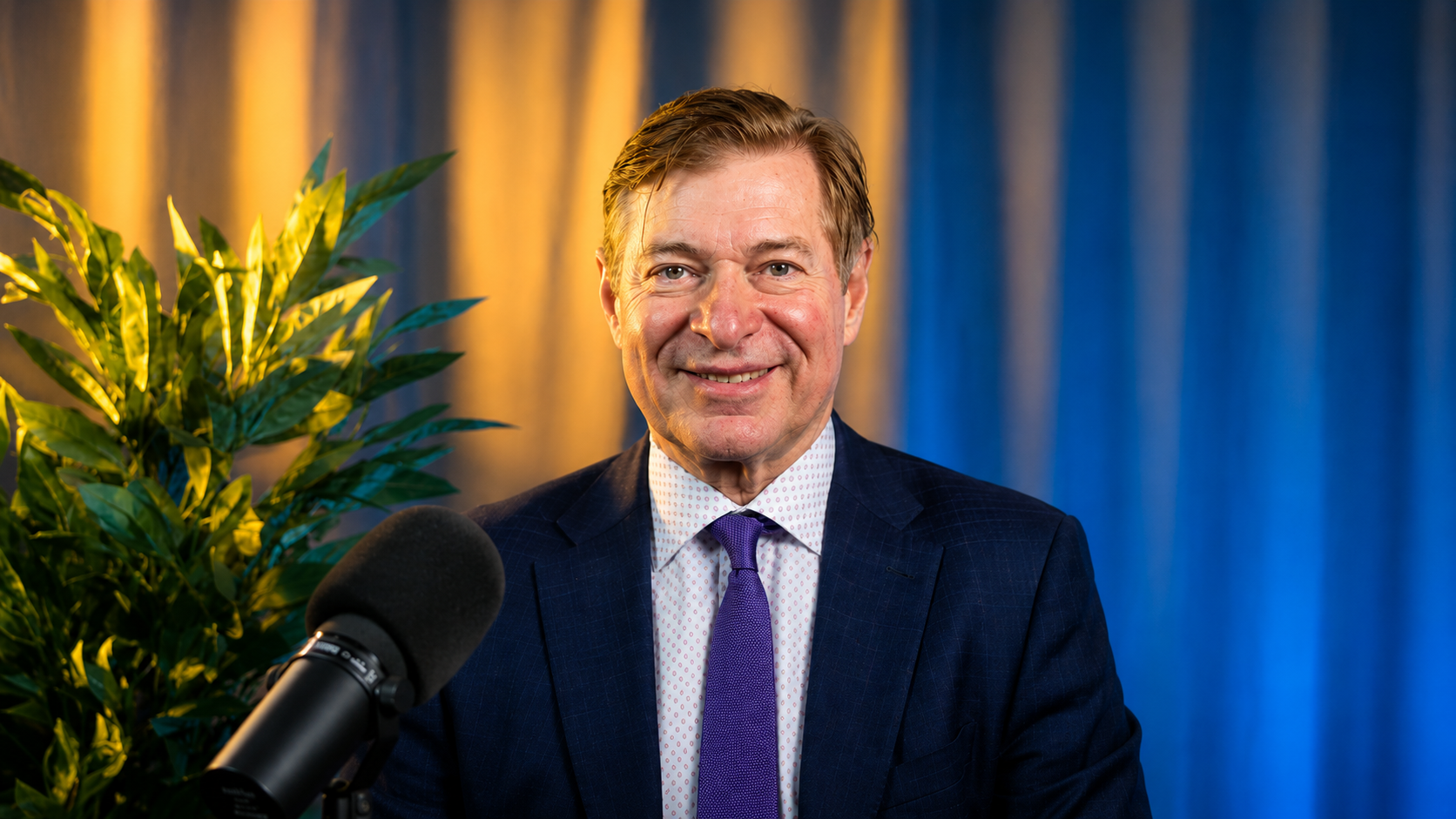
[00:00:06] Speaker B: And now I'd like to introduce Jace Graham. What if everything you've been told about safe investing is quietly draining your wealth? Well, Jace Graham, the CEO of Rising Phoenix Resources and a fourth generation oil man, is shaking things up by moving money from Wall street and redirecting it to oil, minerals and even off the grid infrastructure. So welcome to the program. Jase, why are you taking the approach that you're taking?
[00:00:33] Speaker A: You know, we focus primarily into what we call alternative investments, alternative to the stock or bond market. And our firm looks not only at oil and gas minerals, but also drilling opportunities in oil and gas real estate investing, private credit as well as hard money lending. So we play all in the alts. We like that we can kind of understand how they operate and what happens with our capital as we invest in, in directly into those tangible assets. And so, you know, when you look at a portfolio that investors have, obviously there's investments in stocks and bonds, but there also needs to be some investments in alternative investments like real estate, oil and gas. We're kicking up an AI data center concept here next quarter that's really intriguing. So we just find a better return profile and higher upside investing directly in those types of asset classes.
[00:01:28] Speaker B: I guess that's the question that we're all wondering. It's like, well, why go there when normally you just go and you know, to the stock market or the bond market. What makes these alternative investments attractive and why should an ordinary investor consider those?
[00:01:45] Speaker A: I think having stocks in a portfolio is important.
And even bonds, bonds typically are much lower interest that you would be earning, but safer per se. On the stock side, there's a lot of volatility, meaning you can invest in a great stock, a great company, and the market shifts out of that sector, the stock drops and you're back to flat on what you earned. So again, on the outside, investing directly into real estate, let's just say a single family home that you can purchase, fix up and resell it, or rent it, or provide seller financing on it, you have a tangible asset that you own and it has cash flow as a component of it. Same thing with oil and gas minerals. Oil and gas minerals are real estate, just subsurface. All right, so it's part of the bundles of sticks that go along with real estate. A lot of people don't understand that. But in the United States, only country in the world where owners of surface rights, that is the land on top, can also own the minerals underneath it all the way down to the center of the Earth. We play in a fun space with alts. Again, return profiles tend to be higher. Okay. When I say tend to be higher, we're looking at, you know, 12 to 30% type cash on cash returns. You can see that in the stock market. But again, it's very volatile on how that happens. But that's the kind of profile we're looking for.
[00:02:59] Speaker B: Yeah. So just to make clear. So the land that we have our house on, that we own, we go all the way to the center of the earth. And we own all of that, too.
[00:03:07] Speaker A: To the center of the Earth, and they say to the zenith in the sky. So. All right. Title and interest and that, you know,
[00:03:14] Speaker B: they feel even better.
[00:03:15] Speaker A: Yeah.
[00:03:16] Speaker C: I don't know. We're in New Jersey, so we may own all the chemicals underneath.
[00:03:21] Speaker A: Yeah.
[00:03:22] Speaker B: You know, I thought mowing the lawn was a big job, you know, now I have, like, all this ground to the center of the earth to take care of. But. But you had a. Elizabeth had an interesting question about oil.
[00:03:32] Speaker C: I don't know if you want to answer this. So we are recording this in early April 2026, and we are in a skirmish, a war, I don't know what you want to call it. And Iran has held hostage the Strait of Hormuz. And oil's not flowing, so gas prices have, I don't know, almost doubled. It's been crazy. But my question for you, Jase, is that I had thought the United States made enough gas and liquefied natural gas to meet all of our needs.
I thought we had enough in our own country. So why are we being affected by. By what's going on in the rest of the world?
[00:04:11] Speaker A: Great question, and you're right. That's the elephant in the room right now. Oil went from 65 bucks a barrel a little over 30 days ago to as high as 110 bucks a barrel about three days ago. It's back down around 94. So a little bit of momentum on oil. Natural gas is a totally different story. Okay. Natural gas is sitting around three bucks in mcf, which is pretty low. Okay. So, yes, we in the United States have more oil and. Or natural gas than we can use.
So what you tend to see, though, is oil and natural gas are traded on a world market, so it's not just contingent on what's going on in our supply in the United States. You can drill an oil well in West Texas, recover the oil, and sell it to the biggest purchaser, the highest purchaser on a worldwide Stage. What's happening with the Strait of Hermes is there definitely is curtailing production, but that's affecting all oil prices around the world, not just the United States. Interesting time. We are finding phenomenal opportunities right now while prices are rising again, not in favor of any sort of war or conflict, but when things do kind of happen like that, commodity prices tend to rise. And so we like to be able to play on those sides of the coin. As far as our investment strategies, yeah,
[00:05:26] Speaker C: I read they shoot up like a rocket. Gasoline prices for cars shoot up like a rocket and come down like a feather.
[00:05:35] Speaker A: Yeah.
[00:05:36] Speaker B: So in your world of working with investors, do you work with mostly private individuals? Do you work with companies? Or who do you work with? And what is the appetite for investment products?
[00:05:49] Speaker A: Our investors range from high net worth accredited investors to family offices that are focused in oil and gas. We work with a few wealth advisors that have clients that also are looking to divest into alternative investments. And so we provide that product for them. And we now are about to open up a investment club that is also going to be talking to unaccredited investors that may have an old 401k sitting around they want to put back in play. So we're, we're kind of starting to find some ways to even bring all investor types onto our platforms. We don't necessarily do any sort of private equity or institutional capital raising. It's more direct to high net worth and individuals that want to achieve higher returns. But you know, the way we look at it, we, you know, we've got five pillars of capital allocation and how we invest. Number one, oil and gas, minerals. We have drilling opportunities a little bit different, but also directly in oil and gas. Massive tax write off associated with those types of investments and higher return profile, but also additional risk with some dry hole risk, meaning the wells may not perform the way you want them to. Investing in directly in real estate. Private credit, where we provide mortgages, private mortgages to homeowners that may not be able to get a traditional mortgage from a bank. And also hard money lending to investors. So can we use these five different ways? But when real estate slows down, you know, we're shifting over to minerals, right? When oil prices drop, we're buying minerals. When markets are volatile, we're investing and putting more private credit out. When distress appears, you know, we're looking at real estate at a discount. So again, we're playing a lot of different areas. It's all rooted in real estate. And so we just kind of zig and zag because the shoes never drop at the same time across those different pillars that I talked about.
[00:07:29] Speaker C: So. So Jase, if I, if I were rich and I gave you a half a million dollars and said invest this, would you spread it out across those five different project types and then move it around as necessary for me? Is that how you work a little bit.
[00:07:43] Speaker A: We do have different types of funds that we provide to investors, but it is kind of more specific on the niche and where we are and kind of what we think is an ideal opportunity right now. So right now we've kind of pumped the brakes on real estate because interest rates have been so high. Okay, direct. But we've also been lending on hard money with real estate. But right now we've been really big on buying oil and gas, minerals because we did see oil prices at 65 bucks a barrel. Natural gas is at 3 bucks in MCF, which is really low on that side. And so we've got a lot of upside to play in there as well as drilling opportunities. So it really just depends. We don't have like a fund that's kind of mixed with all those assets. That's something we're kind of looking at maybe down the road, but right now it's kind of specific to the investment strategy or thesis. What's the return on our mineral funds? I could just. We've averaged this 17% cash on cash last five years, invested 100 grand, 17,000 on average on an annual basis. And those funds typically look to do a 1.5 to 2 to 1 multiple on your capital in about a 3, 4 year period. So that's track record. So we kind of look at that. But on the drilling side, you know, you're looking at a 2 to 3 to 1 type return. Plus you get a big 90%, upwards of 90% tax write off in the first year of that investment.
So big tax write off, you can write it off against W2 earnings, ordinary income, all that kind of stuff. So we start to see a lot of people starting to look at that type of investment towards the back half of the year, where they know how much money they're making and how much they want to look to offset write off.
[00:09:09] Speaker B: That's really interesting. I wanted to ask you a question about oil drilling. I just brings to mind all of these old westerns, you know, where people are riding around out in the desert and they're like drilling here and then drilling there and then, oh, there's oil in them there hills.
[00:09:24] Speaker C: Beverly Hillbillies.
[00:09:26] Speaker B: But so I'm imagining things have changed now. And they probably have all sorts of technology that can look for oil. Is that a more accurate process now? Are they able to predict whether you're going to hit oil, or is there still pretty random, much more chance of
[00:09:42] Speaker A: success today than it was back in even like when my dad was drilling oil wells back in the 70s and 80s. Back then, you're drilling what's called conventional pockets. You're drilling a vertical well down to find a pocket, and you're either in the pocket or you're out of the pocket. All right? That's called conventional drilling. What happened in early 2000s is the advancement of horizontal drilling. Okay, so now you're horizontally drilling into these shale basins. It's called unconventional drilling. Big one that's one of the biggest in the world is the Permian Basin in West Texas. So a little bit like you're talking about out in the West Texas flat cranes, there's a lot of activity. A lot of our oil, most of our oil comes from that. But this is where operators are drilling horizontally into a shale formation several miles horizontally. So it's not a matter of whether they're going to be in the pocket or out of the pocket now. It's a matter of just completing the wells in the zone and then they stimulate the rock, I. E. Fracking. I know that's a bad word, but it has allowed us as a country become energy independent, and so that's a huge thing. So we're not relying on. That's why you hear Trump talk about we're not relying on any of the oil over from Iran at all. We have more oil than we can use it, and so we export it out and we sell it for the highest possible price.
[00:11:01] Speaker B: So, yes, it is a lot horizontally. That's just as counterintuitive to me. I mean, I understand drilling down, but drilling sideways. Who came up with that?
[00:11:12] Speaker A: It was a gentleman, you know, out of in the Barnett Shell, which is actually right outside of Dallas Fort Worth, that developed that whole horizontal drilling. And they basically just slowly. I mean, remember, you're several miles deep and then you're actually going several miles lateral.
So they slowly start to turn that drill bit. They've got directional motors on the end of that drill bit to kind of turn that drill bit and that drill pipe to where it goes horizontally. It's fascinating.
[00:11:38] Speaker B: They continue drill into my property and then sneak over to my neighbors and grab this oil.
[00:11:44] Speaker A: Not anymore. That was definitely back in the Beverly Hillbillies days that that whole, you know, there's so many Richard.
[00:11:51] Speaker B: You know, loyalty. Yeah, exactly.
[00:11:53] Speaker A: You got it.
Who drank my milkshake? But no, that's no longer a thing. But it was a thing as several people back in the, you know, 20s and 30s out in East Texas in Tyler, several prominent families got thrown in jail because of that. But no longer.
There's so many directional surveys and reporting agencies that you can't just sneak over into somebody else's minimums.
[00:12:16] Speaker B: Is fracking really dangerous for the Earth? Because, I mean, there's a lot of people who are concerned about it.
[00:12:21] Speaker A: Yeah. Again, it's allowed our country to become energy independent, which is massive. We no longer rely on foreign oil or natural gas for anything. You know, there's so much oversight in how these wells are drilled. You know, they first they drill down, you know, a couple hundred feet, they set surface casing, and they cement it all the way to the surface. Then they drill down another, call it three or 400ft, and they set what's called intermediary casing, and then they cement that all the way to the surface. So now you got two sets, and then they drill the main string of pipe. I mean, it gets a bad rap, but again, it's allowed our country to become energy independent. You're not seeing any sort of blowouts or anything like that. I mean, if you are, it's, it's. It's minor at most. So I'm all in favor. If it went away, do you know what would happen to oil and natural gas prices? They would triple, if maybe quadruple.
So the crowd is fickle. We like energy. We like to turn on our shower and have a hot shower. We like to drive over to McDonald's to get a cheeseburger right now. So again, I want to go back
[00:13:18] Speaker C: to the investing a little bit. So we have had a very turbulent month for the price of oil. Right. What did you do with your funds during this past month? Did you just let it ride? I mean, because you were seeing, like, especially with crypto, people were buying and selling, like, huge amounts based on the whim of whoever. I don't want to get into politics here, but based on Twitter feed.
[00:13:44] Speaker A: Right.
[00:13:44] Speaker C: Well, X feed. Did you guys just kind of hang tight?
[00:13:47] Speaker A: Two things. One, the current funds that are in our portfolio are going to do phenomenal. We don't see the price, the spot price, the price. That's just. You're seeing right now the 100 bucks a barrel for another two months, meaning the operator gets that price, then they distribute their checks out to the mineral owners. But that happens about two months after that occurs. So we're not going to really see that until probably June on our check stocks. But that's just increased revenue, increased yield back to our partnerships because those partnerships bought, say, oil, the mineral interest, around 50, 60 bucks a barrel. Now, what we're doing today with our current funds that we're deploying capital on now, we're not chasing the current price at all whatsoever. We, we're negotiating and talking to sellers at that 60, 70 bucks a barrel price range. And so there's a big arbitrage where it's trading today and what we're negotiating direct to seller.
[00:14:39] Speaker C: Okay. So you're not doing these wild swings in and out of the market and
[00:14:43] Speaker A: all this stuff because it's a longer play. That's the difference of an alternative investment versus maybe a stock or investing in crypto where you can just push a button and sell, push a button and buy, push a button and sell. Our opportunities are longer. You're invested in a partnership. And then we kind of determine the best time to exit based on timing and commodity price swings.
[00:15:03] Speaker B: So we're with Jace Graham, who is the CEO at Rising Phoenix Resources. Jase, I assume that the risk in the oil business is that oil prices are going to drop and stay low for a period of time. Is that the risk to your investors or do you have a way to manage that risk in the event that that happens? I would assume that if the Iran war comes to some sort of end, Right. The prices are going to go back down. Anybody who is investing now is probably going to take a loss on, you know, the money they put in. But if production improves and prices trend downward over time, is that what the risk is to the investor or is it something else?
[00:15:45] Speaker A: Yeah, I think you're looking at that. Right. Is commodity price affects the return profiles of the funds, whether that's on the drilling funds that we do, direct drilling funds, or the oil and gas minerals. Now, what we look at when we price these types of assets, let's just say that we're pricing right now to be buying minerals around 70 bucks a barrel. We're looking at a return profile that's going to get investors all their money back within five years or less. So that's about a 20% cash on cash on an annual basis. So that's at 70. So if oil goes down to, let's just say 30, 35. Okay. Which is really low, and I don't see it staying down there for long, but let's just say it does. So it drops by 50%, in effect, that yield would just be cut in half. Okay, so that 20% is now a 10 and a 10 is not the worst case scenario at 35 bucks a barrel. So that's some of the things that we're pricing in and hedging in when we're negotiating and making these purchases and making the lump sum offer. So yes, we did see. So when Covid occurred and oil prices went down to 20 bucks a barrel, we're still doing distributions, monthly distributions, distributions went down around 6 to 8%.
But that's like my worst case scenario, I would think. And so, you know, we kind of look at that and we factor that in on our acquisition costs.
[00:16:57] Speaker C: So how much money do you have to have to invest with your funds?
[00:17:01] Speaker A: We have an offering, this is the investment club, where people can come into a investment club. Minimum is $10,000 and it's more of a debt type scenario that pays a 10% interest rate on a two year term. Collateral is the minerals and the mineral funds. So all we did is we started raising our own debt versus going to a bank.
And we continue to use our banks, but we also started raising debt because we had investors saying, hey, I just want a flat return. I don't want to deal with any of this volatility that you guys were talking about. You know, I'm 65, I'm 70, I'm retiring. Here's half a million, or here's a hundred thousand. I just want to get my nice little interest payment that I can live off of and at the end of two years, get it redeemed on the other funds, the mineral funds and the drilling funds. It's a $50,000 minimum and it's a credit investor only at this time.
[00:17:46] Speaker C: So if you have a 401k sitting there, can you move that money over?
[00:17:50] Speaker A: That's a great question. Because if you have a 401k that's active right now with an employer, you're kind of with that employer and they're how they're managing that 401k. What we tend to find is there's a lot of people with old 401ks. I bet there's ladies on this panel right now that probably are sitting on an old 401k from a prior employer. And when you leave that job, it just kind of sits there. It's not really actively being managed. So you can actually convert that to a traditional IRA with a custodian that allows you to self direct it. Then you can start investing into alternative investments like oil and gas or real estate or hard money lending or private credit or whatever you want. So it allows people to get in the game, but it's through the self directed IRA custodian that allows that.
[00:18:34] Speaker B: Jace Graham, CEO of Rising Phoenix Resources, will be back with more right after this. Stay tuned. Passage to Profit with Richard and Elizabeth Gerhardt. We're going to hear more about Taylor Swift's legal problems and also we'll hear from secrets of the entrepreneurial mind.
[00:18:51] Speaker D: Do you hear that? That's the sound of uncertainty lurking under your hood. You know the feeling. I know I do. That sudden sinking sensation when you see a check engine light or your car unexpectedly breaks down and you're faced with sky high repair bills. It's time to shield against unexpected repairs with Car Shield. Car Shield is America's most trusted auto protection company and has an A rating with the Better Business Bureau. Don't let the fear of a breakdown keep you up at night. Trust the Shield Car Shield and say goodbye to terrifying repair bills and hello to peace of mind. Your plan also comes with 24.7roll, roadside assistance, courtesy towing, rental car options, and so much more. Don't wait till it's too late. Call CarShield now before a breakdown. Protect your wallet. Protect your car with Car Shield. Get our best protection ever. Call now. You'll thank me later. 8002-6121-7680-0261-2176. That's 800-261-2176.
[00:19:50] Speaker E: Have you ever outgrown your health insurance plan or just not happy with what you're paying for? The number one reason we all change our health insurance is price. Are you paying too much for your health insurance? Would you like to have better coverage at a better rate or at little or no cost to you? Your life needs are always changing, but have you done anything to improve your health insurance for you and your family? Health insurance law and coverage are always changing and getting better. It's impossible to do all the research yourself, but now it's all done for you for free. So regardless of your age or medical condition, take a few minutes right now and find out if you can save money or even qualify for zero cost health insurance in your state. Call now.
[00:20:36] Speaker D: Paid for by cheaper health insurance. 8006-5214-7080-0652-1470.
800-652-1470. That's 800-652-1470.
[00:20:50] Speaker E: Now back to passage to profit once again. Richard and Elizabeth Gearhart.
[00:20:55] Speaker B: We're here With Jace Graham from Rising Phoenix Resources. You're a serial entrepreneur, Jace. Tell us what a serial entrepreneur is and what businesses you've been involved in and why you got involved in this one.
[00:21:07] Speaker A: What I kind of realized is that I just don't think I'm employable. I don't like being told what to do. And so now I have been in a situation where no one can tell me what to do. So that was probably how it all started. No, I mean, it started as an early age with me.
You know, my. My father was an entrepreneur. I got to see him kind of build a business from the ground up. So I got to learn from the shoulder of a giant. But, I mean, I was. Early on, I mean, I was washing cars, shining shoes. I had a landscaping business, and by the time I was in a senior in high school, I had two, four man crews working for me, and I was just kind of driving around and making sure the lawns were getting done. So it turned into a pretty big business that actually got me into Cornell University on a landscape architecture kind of program. So it's kind of interesting. You can connect the dots looking backwards, but it's always kind of been in my blood. And then had an opportunity. In 2016, I decided it was a good time to maybe start my own career at Rising Phoenix and open up the shop. And I was scared to death. I run scared every day as an entrepreneur. It's just part of what goes along with it. But, no, we started and we were raising money for a mineral fund with just some friends and family, and I needed to figure out how to make some immediate cash. And so we kind of learned about real estate wholesaling from a podcast that I listened to with a gentleman named Justin Colby, who's now a very close friend of mine. And my wife and I got going in it, and I was trying to make some money and flip some real estate. And so I sent out 10,000 mailers. We had, you know, like, probably $10,000 left to our name, sold our house, pulled out all the equity, and started a company. Okay. Sent the mailers out. I put my wife's name and phone number on them. She didn't know it at the time, so she got a ton of calls, and she's like, what's going on? I was like, you're. You're a realtor, so you understand, you know, the lingo. I'm just kind of trying to just make things happen in the back end. And so that's kind of how we got started. And we Flipped our first house. We made about $15,000 on that flip. Just flipping the contract, literally double closing same day and not doing any fix up. And so then I was like, geez, that was interesting. So let's learn to try to scale this. So then I started bringing on a sales rep, and then we started building a team. And fast forward to today.
We've done over 1200 of those on the real estate side.
[00:23:18] Speaker B: So quick question, Jay. So a lot of people are great at doing something like maybe being in real estate or starting a business. The next step always seems to be hiring.
So how did you make the transition from being kind of a solo entrepreneur or a couple entrepreneur to more of a business owner and, you know, bringing people in? How did that work for you?
[00:23:45] Speaker A: Well, I mean, at the time I didn't really. I knew I didn't want to be going out to all these houses and actually trying to do the underwriting, all that. So I was really wanting to try to train somebody in that capacity. So I think when you look at your business, you can break it down to just sales and ops.
Sales and ops, those are the two basic fundamentals. Now marketing is part of sales and ops, kind of takes care of everything else as far as the oil and the engine. But what ended up happening is I read a book called Traction by Gino Wickman. Changed my life forever. Because in the. In the meantime, I was just in my head as far as how I wanted to build this out and the systems and the processes around it. But reading that book, Traction, allowed me to kind of understand what the entrepreneurial operating system looked like that Gino talks about. And that's a cadence that we use from our meetings to how we run our accountability chart, to the functions, to how we just operate as a company. Since I read that book in 2017. So that allowed me to start thinking as an owner and not as a solopreneur. And so then I started figuring out how to start hiring and getting people excited about the mission that we were trying to get on and the mountain we were looking to climb and bringing everybody into that. So we're all rolling in the same direction. So that was definitely a pivotal moment, is reading that book and learning that you can apply this to all these types of businesses. But now I've got a framework that I could launch from and kind of start building these other businesses out of.
[00:25:08] Speaker C: Didn't you find it kind of terrifying to hire somebody else and have to trust them? And then of course, if they screw up, you're the one who gets the fallout from that? Richard's had success and some not so successful experiences with, on with hiring people. How do you handle, how do you manage that? I think that's a real hard thing for entrepreneurs to do.
[00:25:30] Speaker A: The first thing you got to start thinking about is building out systems and processes. Okay. So just bringing somebody into your world and kind of just saying, hey, do what I do and learn how I do it. It's not the right way. So what we did initially is like we had. We had to bring in what was the framework, what are the activities that this individual or this role or function needs to do great now? What are the metrics behind it? What's the scorecard? Who's keeping track? What's the number? And so then being able to have numbers and metrics that then you can manage your business from scorecards, that takes all the, you know, gray out of it. You know, he's a likable guy, but he's just not converting. No, we look at conversion all the way down to, you know, what that looks like on a percentage basis. And either you're on or you're off.
You're off. Let's get you back on. If you continue to stay off and off and off and you're a sales rep, then maybe this is not a fit for you. Maybe you should go over to the ops team. But I think it's really about building out a process that's easy to follow, keeping it simple. At times I've made it too complicated, and we go back always to just keeping it so simple. For those particular functions, what are the three, maybe four key responsibility areas that are associated with that function? And then what are the maybe two or three key KPIs, key performance indicators associated with that? And then it's just training. And I mean, managing people is not easy. I mean, that's the hardest thing because, you know, what you tend to find, especially as an entrepreneur, is that, you know, people are not going to be on that journey with you forever. Right. Things change, you know, life events occur, people leave, people come. And so it's maintaining that focus and having those standards in place and those processes that you can bring people in, get people up to speed, having them contribute, and then also having them a part of the game.
[00:27:18] Speaker B: Yeah, I think too, it's part of it is just experience. Right. I mean, you figure out what works and what doesn't. And when you're hiring somebody, hiring is sort of a black art, you know, in the sense that they can look, somebody can look great on paper and show up and then they're just not a good fit. Right. And then there's other times when we've taken a flyer on somebody who for some reason they didn't really look that great, but we thought we'd take a chance and it worked out amazing. So I find that it's unpredictable now as we get more mature, we have more people inputting on the decisions and maybe you get a better, more rounded decision when that happens. But it's still not a perfect system. But it is. I think when I was first starting out, I made a lot of hiring mistakes.
I trusted everybody. If somebody said they could do something in the interview, I trusted them. That's because I would never say something in an interview that I couldn't do. But it's not always the case. Right.
And it took a while for me to learn that lesson the hard way many times.
[00:28:24] Speaker C: So, Jace, you've had other companies. Did you sell them? Did you have successful exits with them?
[00:28:29] Speaker A: We've had successful exits with our funds that investors invest in the companies operating companies we still maintain. So the real estate company, the mineral and royalty acquisition company, and the capital raising company are all still, you know, part of the Rising Phoenix umbrella, But we create different unique offerings that people can invest directly into. And now those are the ones that you would look to go on and sell to somebody, you know, as. As those funds mature.
[00:28:55] Speaker C: So what are you going to do when you retire?
[00:28:58] Speaker A: I don't know.
[00:28:59] Speaker B: You're not going to retire drilling oil? Well,
[00:29:04] Speaker A: I'm a lifer in the game. No, I mean, my wife and I started a foundation last year. We're pretty excited about that. Still trying to figure out exactly what we want that to do within our community. But that's something that we're passionate about. My boys are 9 and 12. They're kind of got this entrepreneurial bug with what they're doing. My son goes out and power washes trash cans in the neighborhood and charges people.
So I'm excited to kind of bring them on board and talk to them about what we're doing to kind of pass the torch. But I don't know, I mean, I'm having a blast kind of doing what we do. I don't see an end in anytime near.
[00:29:37] Speaker C: Yeah, we don't see an end in sight either. So anyway, how do people get a hold of you?
[00:29:41] Speaker A: You can go to our website, www.rising-or hyphen phoenix.com, learn about what we do, how we do it. You'll see the different strategies that we plan. And of course, you can schedule a call with, you know, someone on our team and talk more if that's of interest. Also, just someone LinkedIn under Jace Graham. Great.
[00:30:00] Speaker C: Thank you.
[00:30:01] Speaker B: Jace Graham with Rising Phoenix resources. Really insightful. If you enjoyed this episode, subscribe to the podcast and leave a quick review.
Also, follow us on Facebook, Instagram, TikTok and X and subscribe to our YouTube channel for bonus content.
[00:30:16] Speaker A: Learn more at passagetoprofitshow.com.