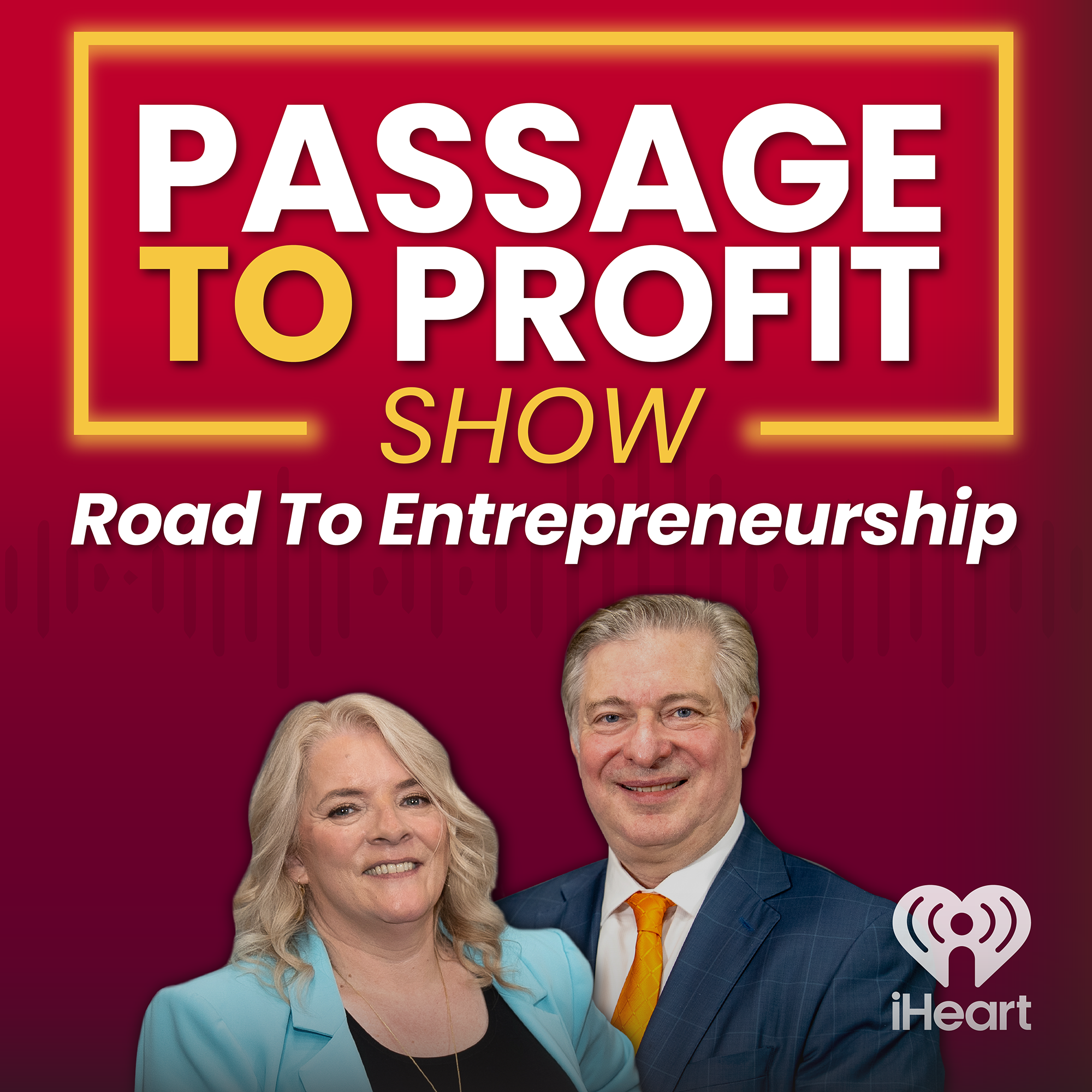
[00:00:02] Speaker A: Ramping up your business. The time is near. You've given it hard. Now get it in gear. It's Passage to Profit with Richard and Elizabeth Gearhart.
[00:00:12] Speaker B: I'm Richard Gearhart, founder of Gearhart Law, a full service intellectual property law firm specializing in patents, trademarks, and copyrights.
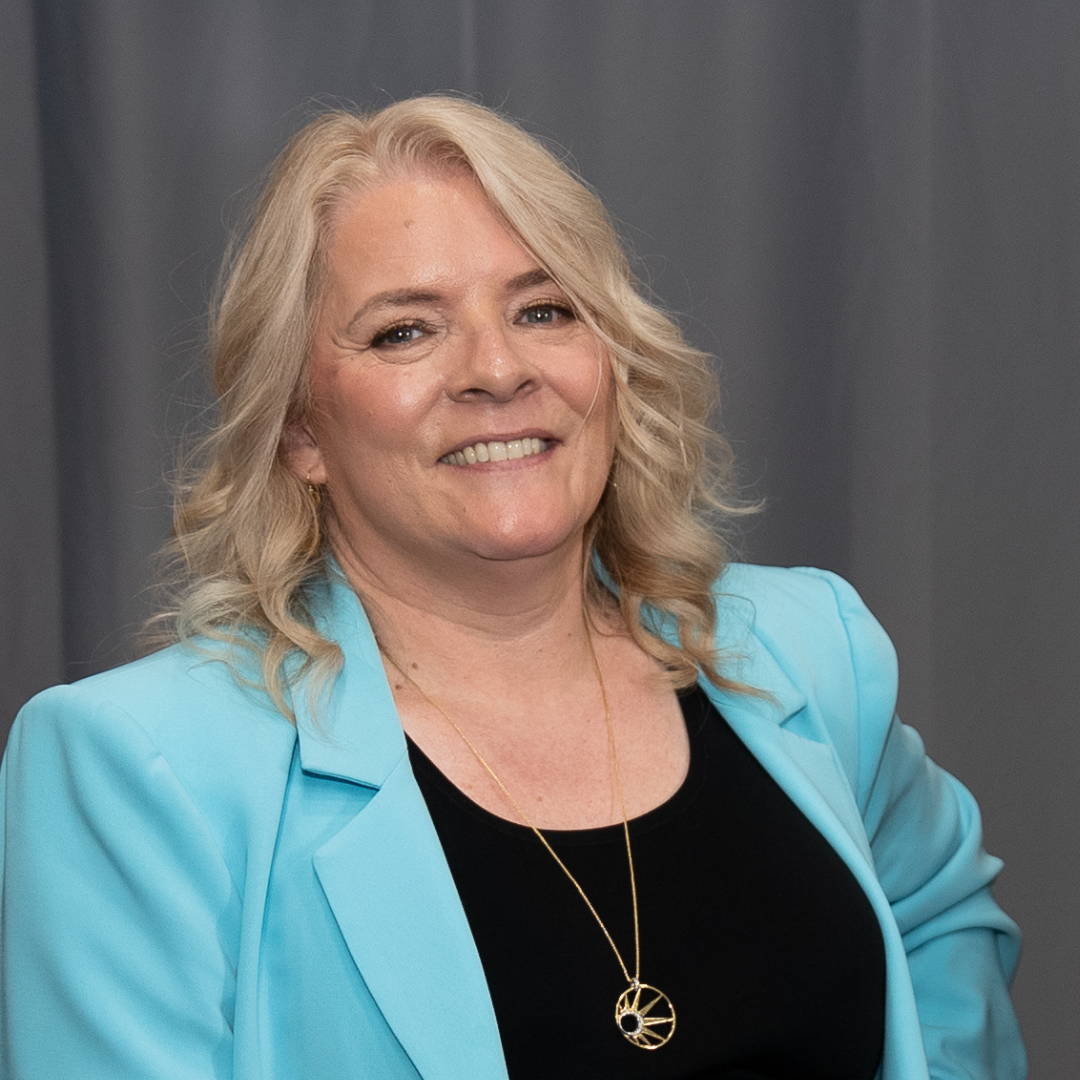
[00:00:20] Speaker C: And I'm Elizabeth Gearhart, founder of Gear Media Studios, podcast coach, co host of the Passage to Profit show, and chief marketing officer at Gearhart Law.
[00:00:28] Speaker B: Do you even, like, know who you are sometimes when you wake up?
[00:00:31] Speaker D: Good morning.
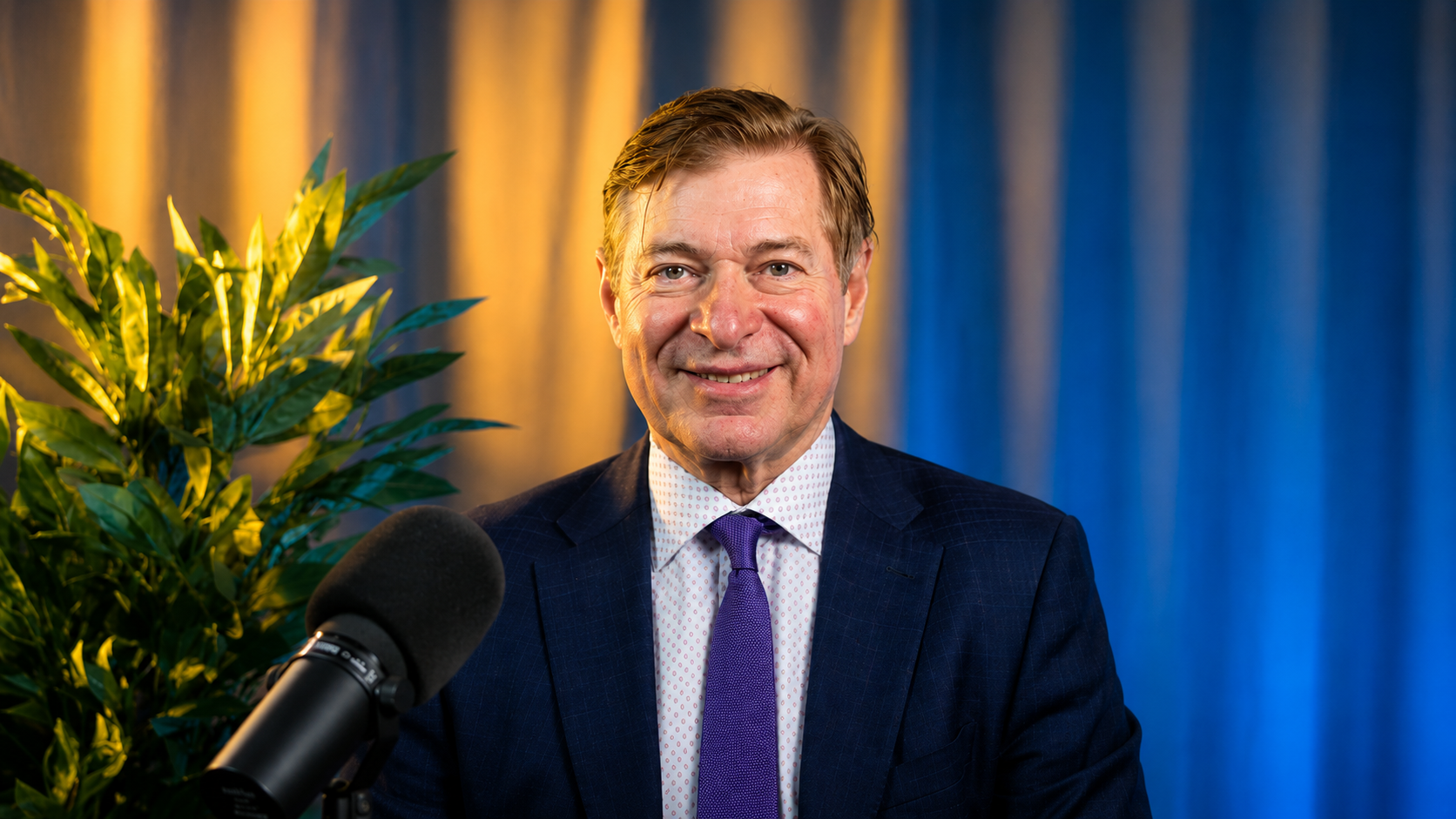
[00:00:33] Speaker B: Well, today we're coming at it from all sides, from rock music to company growth experts to really good boos. Welcome to Passage to Profit, the road to entrepreneurship, where we talk with entrepreneurs and celebrities about their business journeys. And now it's time for our guest, Ralph Sutton. He's the radio renegade who spent decades breaking rules, offending bosses, shocking audiences, and yes, we still decided to have him on the show.
[00:00:58] Speaker D: Thanks for having me.
[00:01:00] Speaker B: He's still at it. He's hosting rock tours with nationally syndicated rock show. He had the nationally syndicated tour bus program for a long time. Now he's the host of the SDR show, which hit the number one comedy spot in itunes. And he is the creator of the Gas network. So welcome to the program.
[00:01:19] Speaker D: Thank you for having me.
[00:01:21] Speaker B: Does your mother know what you do?
[00:01:22] Speaker D: My mom is actually a big advocate of comedy. She ran a comedy club in New York, and when I was a kid, it was cheaper than a babysitter, so. So I would sit and watch, like, Chris Rock as a kid and Ray Romano and all these legends. I was 12 and I was sitting in the back of this comedy club seeing these people. And in fact, I was in California and Ray Romano sat next to me at a restaurant. And I said, I'm sorry to interrupt you, man, but I saw you when I was a kid. My mom's name is Leah Sutton. He's like, oh, my God. And we took a picture together, sent it to my mom, and he never does podcasts, Ray. And then he gave me his number. And like two months later, he came and did our podcast because of my mom.
[00:01:56] Speaker B: Wow. So she's had amazing.
[00:01:58] Speaker D: She's a big advocate of it. Yeah.
[00:02:00] Speaker B: Did she push you to do this or was this your idea?
[00:02:02] Speaker D: No, I think this is my idea. I had a very. I was running nightclubs and rock clubs in New York back in the day of all the big clubs of New York City like the Limelight and the Palladium. I was a promoter and then hilariously got into strip club DJing, which is insane. Did that for a bit, ran a restaurant for a long time.
[00:02:18] Speaker B: Are DJs really even necessary?
[00:02:20] Speaker D: I ran a very Seth restaurant here in New York and helped build the company Juice Press here in New York. And then about 10 years ago started a podcast and built that. I was host on VH1 for a while, you know, doing a lot of different things over my life. But Gas Digital started almost 10 years ago when podcasting was nowhere near as popular as it is now. We were the first to do pay for subscription. Did not exist when we started. So that you pay for unedited commercial free getting it a dip few days earlier. None of that was done 10 years ago. Now it's commonplace, but we were the first to do it.
[00:02:49] Speaker C: So for people that are doing podcasts, if they wanted to build a network, how do you build a network? And what is, what actually is a network?
[00:02:57] Speaker D: I would say that most people shouldn't to start just because it's too, too much of a an undertaking. Start with building a podcast, right? You know, get a podcast. Get. I tell everyone to start a podcast because the CPM rates which not to talk down to people, cost per thousand. I don't know if it's a common term, but CPM rates in in podcasting is up to $20. Where on TikTok or Instagram, you're lucky if you get a dollar if you're lucky. So a podcast with 20,000, 30,000 listeners, you can pay the bills. If you have 20,000 people following you on Instagram, nobody cares. It means nothing. You get 500,000 people watching a YouTube, it doesn't matter. But you can make a living with 20,000 podcast followers. So I say start your podcast first, build a following. Because no one's going to care about paying for private content if you don't have an audience yet. Build the audience first. It's free to start a podcast. Just start a podcast. You could do it on your phone today. You don't need to understand RSS feeds or anything else. So I just think you need to get out there. Once you build an audience, then you could say, is a network important to me? And for us it is. If you don't want to set up a studio, you want to come somewhere nice like this studio and feel important. If you just want a turnkey situation because we're going to take 30%, you may not want that. If you're a self starter, you're someone's going to do everything on your own, so you probably don't need us. Yeah, you know, so it's a very unique situation for us.
[00:04:17] Speaker C: The network has different podcasts in it, right? Are they all on the same theme, though?
[00:04:22] Speaker D: We initially were a little more grandiose. We had some political, some music.
Now they're all somewhat comedy based or at least comedy adjacent because we found that are like our very popular podcasts that were political, people would not want to be listened to. If I came here for a political show, I don't want a show called Sex, Drugs and Rock and Roll. I don't want a show on relationships. So we split those off into separate networks. So we have a guy that runs that we do a political network with. We dropped a couple of other shows and now all the shows, which are about 2017-20, are all comedy based for the most part. So it feels more like a network of like kind.
[00:05:03] Speaker B: If somebody's starting a podcast, there's so much content out there.
How do they break through? What are some of the steps that they can use to distinguish themselves?
[00:05:13] Speaker D: Well, first of all, when I started, I said there was about 100,000 podcasts. Now there's 10 million, right? Sounds like a lot. But go start a YouTube channel where there's a billion people. Go start a TikTok channel where there's 2 billion people. So if then at 10 million doesn't seem like a lot.
[00:05:29] Speaker B: Piece of cake.
[00:05:30] Speaker D: Plus, most of them are dead. Podcasts, people do 10 episodes and then lose interest. So I think it's about a million or two that are active and then most of them have less than a thousand listeners. We're in the top.05% of podcasts because we get a couple hundred thousand listeners per episode where Joe Rogan gets 10 million. But we're still in the top 0.5% because so many get no numbers, right?
[00:05:54] Speaker B: So how do you get there?
[00:05:54] Speaker D: So I say live and breathe it, right? I never. First two years of my show, I never left the house without stickers, right? I would consider it a failure of a day if I didn't get at least five people to like and subscribe on itunes. I was on jury duty. I got 11 people to sign up on my podcast, right? And so you have to live and breathe it. If you don't do that, no one's going to care. Be as honest as possible on your show. I've told wildly embarrassing stories on my show. I don't put on airs and people will relate to genuineness. And so that's where I say, do it every day, love it, try it for a month or two. You may feel as that, oh, this is not for me. So if you're not going to make money for at least a year, you're.
[00:06:35] Speaker B: Really not going to know in a month or two.
[00:06:36] Speaker D: Yeah, but if you don't, I don't care about that. I mean, like, if you're not doing it consistently, you're probably not going to stick with it. So try and do it once a week for two months. And if you're not doing that, it's probably not for you.
[00:06:48] Speaker C: But I think you bring up a really good point about for every entrepreneur, no matter what business it is, you have to do sales. And you're always your brand. Even at the grocery store waiting in line, you're your brand and you can sell there. I mean, some of the really, I think successful entrepreneurial people that write all these books and stuff, they're constantly talking to people and selling.
[00:07:09] Speaker D: Yeah, my first advertisers was me going to local businesses and showing them the numbers in New York and New Jersey. And I remember I was at a club again, a strip club I used to work at. The guy pulled out 500 bucks out of his pocket and goes, here, I'm going to be your strip club for the first month. And that was it. And that's how I got my first ad sales on my podcast. Even though I was still doing radio at the time. My show was on, I think at time, like maybe 90 stations. And I was selling it as it added value. Say, oh, spend a little more money, you'll get on the podcast. And that's how we started building those two ways. And within three or four months of starting the podcast, I was making more money than I was in radio.
[00:07:41] Speaker B: Do you think your radio audience and your podcast audience were pretty much the same? They had the same demographics.
[00:07:47] Speaker D: The reason why I would say no, as I think that if you were listening to radio in 2015, you probably didn't know what a podcast was. Now it's a little different then it was very finite audience and I think it was for younger people. So the audience definitely skewed younger. My rock radio show was on 80s rock bands for the most part, so like Guns N Roses, Metallica, that kind of stuff. So that audience did not know what a podcast was and that would be the pushback. Very often when I tried to do as added value or told the band, hang out so we can do an interview on my podcast, they would be like, well, what's. What's podcast? They did, they didn't know. Now it's a little different now, you would get more symmetry.
[00:08:23] Speaker C: So what do you think is the biggest mistake that podcasters make?
[00:08:26] Speaker D: Not being consistent, Number one, crappy audio, number two, and then number three, making sure that you understand your audience. So I would say whatever audience you're going to be in, go listen to the top five podcasts in that sector. What do I like? What don't I like? What can I do better? What can I put my spin on? We did. You could. I mean, I'm not doing this to self promote, but a couple of years ago I was on the front page of Entrepreneur magazine, How to start a podcast for next to no money. Most of that still holds true. So go look that up. And it's most of it is how to do it for free, to just start. And the biggest problem, really people don't start. The amount of calls that I've told where people say, oh, I'm going to do a podcast, that's going to be great. It's I'm so fun on air and they never do it.
[00:09:07] Speaker C: I'm working with people now and it's hard to get over that hump.
And I mean, I'm coaching people and I think that that helps because you have somebody kind of poking you to do it.
[00:09:17] Speaker B: Well, going out there and putting yourself out there, especially in an authentic way, is a big leap for a lot of people. Right. So you have to either you have to warm up to it gradually or you just have to be a naturally not really care too much about what people think of social media. But you also do have to care about what people think because you want to deliver content that's going to be valuable to them.
[00:09:37] Speaker E: True.
[00:09:37] Speaker D: But I would say be true to yourself more than anything else if you enjoy what you're doing. I promise you there are people out there that feel the same way. If you're trying to craft a message for the supposed audience that's out there, you're just segmenting yourself to something that may not exist.
[00:09:53] Speaker B: But it seems to me that that's three quarters of media now. They're going after an audience. They have sponsors, they have advertisers. And then they're saying, well, we want to appeal to these people because then they're going to buy our products.
[00:10:05] Speaker D: But if you're being genuine to that audience, that's who you are, then sure. But if you're like I friends in the rock music industry for super talented guys that would always put out an album that sounded like what just hit on the radio, but like that's already A thing dude like that came out.
So they were always putting out great records a year too late because they were following the trend. Do what you're. If you can't talk about what you're doing passionately, then it's not for you. And then also don't go on social media if you can't handle people crapping on you. Cause it's going to happen. So if you don't think you can handle it, probably not for you.
[00:10:42] Speaker B: That's never happened here.
Well, I have to admit though, for me personally, I am a very sensitive person. And it took me, it's taken a while to sort of build up the armor to be able to handle some of this stuff.
[00:10:55] Speaker D: You never going to find a hater that's doing better than you. So don't worry about it. That's how I look at it.
[00:10:59] Speaker B: I think that's really good advice. So when we were talking earlier, you mentioned Hustle as the differentiator. So now you're just talking about sort of being yourself.
Most of us don't have really interesting selves, do we?
[00:11:12] Speaker D: I think everyone has something interesting for sure. You got to find what, but it's also what's passionate to you. There's every one that's been beautiful about social media and the Internet, there's been a lot of horrible things about it is that no matter what weird segment of the world you live in, whatever your thing is, there's millions of people out there that share that passion.
So no matter how minuscule your passion is, I guarantee you there are people like, oh wow, they get to talk about that. That's my, that's my thing. So as long as you're being honest to yourself, that's what's important. The Hustle. Yeah. Like we were talking out in the air that I built my first, I built computers, I built my first CD recorder by downloading schematics online. I figured it out. Go to the school of Google and YouTube and figure it out. Because you can nowadays and do it for pennies on the dollar.
[00:11:54] Speaker B: Absolutely. I mean most of the technical setup that we've got here in the studio, what we did for the podcast studio, all of that was just YouTube information and training.
[00:12:03] Speaker D: It's out there. You're not the first person to have that problem. So go find out how to do it.
[00:12:07] Speaker C: When you talk about your passion, there are podcasts that are super specific, like how to use 3 quarter inch screws to build your log cabin out in the woods or something like that that have a ton of Followers, right?
[00:12:19] Speaker B: Well, practical stuff has a real value to a lot of people. If you want to replace a pipe or something in your house and you don't know how to do it, you want to save a thousand bucks, then yeah.
[00:12:29] Speaker D: And what's crazy now is if you get a podcast on any of the platforms that exist right now, like whether it's a Libsyn or Blueberry Art 19, any one of these plays that house a podcast, they will sell ads for you so you don't even have to. Not going to get you as high of a CPM rate. But if you're not a guy that's going to go out and do sales, they'll just put prerecorded spots in your thing that di it, you know, dynamic ad insertion it, and then you're going to make money. So even if it's 20 bucks, if it's gas money, how cool is that? That you're doing a passion project and you're making money? That's so cool.
[00:13:00] Speaker B: So you've done a lot of rock concerts and rock festivals.
Tell us about that. How did you get into it?
[00:13:08] Speaker D: So I started, as I said, I was a strip club DJ and I was a guy comes in one day, he's doing radio, he's doing before me, I work the main shift, right? And he was doing daytime. And he had a great voice. And I said to him, you have a great voice, but you don't know what you're doing here. And he goes, I come from radio. I said, I'll teach you this.
You get me a job, at least an audition in radio, right? So he said, okay, I taught him. Then a week later I went, met, had an audition, got a job working midnight to six in the morning overnights one night a week at a radio station in the middle of nowhere, New Jersey. I did it for like a month. I pitched an idea for a show which was. I called the Tour bus, which was all 80s rock stuff. And they said to me, you've been doing radio for two months, dude. Like, you're not going to get your own show, right? I said, well, what if I did it with Matt? That was the guy who was. And they said, okay, we did it two night. Two hours a night on Saturday nights, Sunday nights in a small station in Jersey. In six months, it went to number one in the slot. And then we took those ratings, went to the biggest rock station New Jersey, got signed there, became four hours on Saturdays. And then I started seeing discarded kits for how to be syndicated. Like syndicated shows were trying to get on their station. I took it. I copied the format and sent our show as if we were looking for syndication to that company that was sending it to us. And I got signed and then within a year we were on 30 stations. A few years later we're on 100 stations. I got hired as a VJ on MTV and VH1 for a while and then hosting music festivals and music concerts all around the world and did that for 15 years. Met every rock star I've ever wanted to meet. It was pretty wild.
[00:14:42] Speaker B: But before the show we were talking about this and you say, well, I'm kind of bored with this now.
[00:14:46] Speaker D: After I turned 50, I didn't want to host rock festivals anymore. I just felt like There was a 25 year old me in Iowa that would love to host a rock festival. And I was doing it at a sense of obligation because it was my eighth year hosting this or the tenth year hosting that. And I felt that if I don't care about it not to be a jerk, I didn't need the money. I didn't super want to do it anymore. I said I'm going to step down and let, let some young guy do it. It'd be much more fun for them. So I did. I stepped down.
[00:15:14] Speaker B: So what turns you on now?
[00:15:15] Speaker D: The network is great. You know, building the network. We had the best year ever. I just, we just did our comedy festival in New Orleans this past weekend. Sold out 5,000 people. The network has more paid subscribers than ever. The shows are all growing in the right direction, you know, so we're doing about 5 million listeners a week on the free side and maybe 30,000 paid subscribers on the, on the paid side. And it's going well.
[00:15:37] Speaker C: And we are talking to Ralph Sutton with gasdigital.com on the passage to Profit show right now.
[00:15:43] Speaker B: Well, this is an amazing story.
[00:15:45] Speaker C: I know. So I really do want to dig into your network. Like how do shows. Because you said it's kind of invite only for shows we're not going to show.
[00:15:55] Speaker D: Like it would have to be. Shows happen one of a couple ways. One is we develop a show in house, we find a comedian we like or someone we like. We're like, hey, let's try and develop a show with them. Or the rare occurrence of somebody in already bigger situation that maybe has a podcast that their network got shut down and they don't want to deal with all the stuff on their own or they just looking for a home. So those are the only two ways we do it. We don't take inbound submissions. Like we just don't care. It's never going to be the right fit for us if we don't. GAS stands for Gomez and Sutton, which is my business partner. And so we also allowed for fun things like high octane entertainment, plug in and fuel up like all that kind of nonsense. And it sounded better than SAG and spend a few hours.
So we don't take shows. But I also say it's rare that a show needs a network. I think that it should be. You should these days. You can do it on your own. You really should. It costs nothing. Do it on your own. Build an audience, then come to me.
[00:16:53] Speaker B: You're listening to Passage to Profit with Richard and Elizabeth Gerhardt. Our special guest Ralph Sutton, who just is a wealth of information.
We'll be back with more of Passage to Profit. Stay tuned for Secrets of the entrepreneurial mind and IP in the news coming up soon.
[00:17:07] Speaker A: Attention investors. This is a simple commercial on the investment value of gold. Gold continues to make new highs in good markets and in bad markets. You need to have your portfolio balanced with gold. Learn about owning physical gold or getting a gold backed Ira.
[00:17:23] Speaker E: Make this simple call right now, 800-653-2073.
800-6532.
That's 800-653-2073 sponsored by Reagan Gold.
[00:17:37] Speaker A: We're offering a 100% risk free gold guide. Gold continues to make new highs and unlike stocks, gold has never been worth zero. You owe it to your nest egg and future to own some physical gold or set up a gold backed IRA.
[00:17:52] Speaker E: Call right now for your free report, 8006-5320-7380-0653-2073. That's 800-365-32073 sponsored by Reagan Gold.
Do you love going on a cruise or have you always dreamt on going on the cruise vacation of your life? With dozens of cruise companies who do you call to find the right vacation and deal for you? Now you can make one phone call and shop all the best deals on every single cruise line in the world. You can't get that by calling one cruise line. We have them all with experts that know the ins and outs of every cruise ship and can tell you the best cruise for your vacation needs. Our cruise packages start at $149 plus we offer free Internet, free guest packages and cash back deals. So now is your chance to book the cruise of your lifetime. Call the cruise hotline right now and shop every single cruise line in the world here's the number.
8005-7747-4280-0577-4742.
800-577-4742. That's 800, 57.
[00:19:07] Speaker A: Now back to passage to profit once again, Richard and Elizabeth Gearhart.
[00:19:11] Speaker C: And our special guest, Ralph Sutton with gasdigital.com who also has the SDR show.
And Ralph has quite a history. We've been talking about it. He knows so much about the industry, entertainment industry, and he has interviewed some pretty high level people. I want to hear some stories about these interviews.
[00:19:30] Speaker D: Well, it's funny because it comes up with a little bit about what you were talking about before. We were talking about the ATEM and technology. I've always been a big advocate of embracing technology early. And so I had an iPad Gen 1. Even though I've never owned any Apple products. I'm an Android user. I just don't believe in it. But it was the first iPad and I was recording an episode of my show backstage. Sold out Def Leppard in the like early 2000s at PNC Bank Garden Center. 20,000 people. I'm backstage with the guitarist Phil doing an interview. And it's about 15 minute interview. And then they call that the band's about to go on. And he's like, oh man, that was fun, but we're gonna go do the show. And I stopped the interview and I look and it did not record.
[00:20:13] Speaker B: That's never happened here.
[00:20:15] Speaker D: And now I'm like, oh, first of all, it's Def Leppard, which, you know, she's too young, but you guys will know. Def Leppard.
[00:20:19] Speaker B: Oh yeah.
[00:20:20] Speaker D: And the biggest at the time, they had just come back with a new big record and everyone was excited about it. And I look, I guess I had a deflated look in my face. And he goes, you know what, they can wait. And they made the entire arena wait as we redid the interview. And that is a cool guy right there. He made, I mean, the 20,000 people didn't think he was cool, but I thought he was cool. And he stopped. He said, we can't do 15 minutes, but we could do this.
[00:20:43] Speaker B: But you didn't go out there. Sorry, it's all my fault, folks.
[00:20:45] Speaker D: So that was one of my favorite stories that the band did. Yeah, that was really cool.
[00:20:50] Speaker B: So are most of the celebrities you meet, are they like pretty cool normal people or they have huge inflated egos?
[00:20:55] Speaker D: I would say it really varies wildly. And also, as you guys know, you interview people for a living. You have to make A lot of micro decisions. Very quickly when someone walks in the room, can I joke around with this person? Is this person gonna be fun? Is this all business? Like you don't know. And you make those assessments as it happens. Only one. Well, two times that I think of that really were. Oh, moments. There's a band you're. None of you are gonna know because it's a little more metal. Y. The band called Typo Negative, right? They were big in the 90s. There's a comeback record. The guy looked like me. Six, five, six, six. Big, big. But he was muscular. But we both long dark hair and we were friends growing up. But now he's like this big rock star, right? And he was definitely high on something and being argumentative on the air. And we're sitting on. And I'm in your position where you're sitting behind the desk and he's where I am. But we had headphones on because we're professional radio people. And he took it off, got mad at me and threw the headphones at me on air.
[00:21:55] Speaker B: Oh, wow.
[00:21:55] Speaker D: And said, we're going. Let's go right now. Let's go fight.
And I am a giant, but I am not a fighter. I'm a wimp. I'm not a fighter at all, right? So I knew that this was not gonna go well for me. So I said to him, there's a hundred fans outside wanting to meet you. Is this the best look that you want for yourself right now? And he looked at the fans and he got emotional. He started to cry. And then he said, I'm so sorry. I've known this guy for 10 years. And he realized that he was overreacting. And then everything was fine and we were great. So that was one of them that. That I think of.
[00:22:29] Speaker B: Well, I think that sounds like pretty good content to me.
[00:22:32] Speaker D: It was a great epis.
[00:22:34] Speaker B: Can we. You want to fight?
[00:22:37] Speaker D: And then another time. A rock band again, I don't know if anyone's gonna know. It was called Rat. They were big in the. In the 80s. And the. The singer, what was their song? Love and Used a Dirty Job was a big one. They had out in the cellar was the big album. Detonator was another big album.
[00:22:51] Speaker B: But by how quickly we forget.
[00:22:53] Speaker D: Yeah, they were big in the. In the 80s. They were one of the big MTV early day rock bands. And the singer was just a jerk off on the air, like a real jerk off. And you do station IDs also, right? And so we're between breaks, so I said, hey, can you get a. Can you get a station id? And he just was doing it so half heartedly, barely mumbling. And the rest of the band was there too. And I could see the band was mortified that he was being a jerk, right? So I said, hey, you want to try it again? But like a normal human being, right? And the whole place got silent. And then he did it again. He did it right.
And he invited me to the show the next day. And the next day on the tour bus, he made me a sandwich and apologized for being a jerk off. So both stories ended up at least somewhat nice. My favorite story is I was hosting the Sturgis rally, which is the biggest motorcycle rally in the country. Like a million people show up. And I was on stage in front of about 100,000 people, and we were giving away a guitar. And I was backstage talking to the band, didn't realize that the time was clicking. They announce that I have to go announce that. Give the guitar away. Like, ah, crap. So I go running to the stage with the guitar.
[00:24:02] Speaker C: Oh, no.
[00:24:03] Speaker D: I trip on a. On a line on the stage and I go flying onto the stage. And my only thought was, save the guitar, right? So I lift the guitar and my face plants right onto the stage. And 100,000 people start laughing. Hysterical, right?
[00:24:20] Speaker C: But you save the guitar.
[00:24:22] Speaker D: And so I get on the mic and I say, laugh all you want.
I saved the effing guitar. And then they all cheered and I won them all back. And then we gave away the guitar.
[00:24:33] Speaker B: Did you.
[00:24:33] Speaker C: Didn't say you did it on purpose.
[00:24:36] Speaker D: I was bleeding. It was bad. It was really bad. Yeah, I really wiped out.
[00:24:40] Speaker C: That's a lot of sacrifice.
[00:24:42] Speaker D: Yeah, yeah. Also, once I took one for the team. I was hosting Shiprocks, which is a big, like, rock music on a boat. It's like 20 bands and 5,000 people. And I realized I was the only guy on the boat with no tattoos. Everybody else is covered. It's rock and roll. Like metal bands all covered in tattoos. So I had a funny idea, which I went on stage and I said, I realize I'm the only person here without a tattoo. And the whole place starts booing me, which I knew they would, right? I said, well, that ends now. And I pulled down my pants on stage. I had a tattoo artist come out and they put a dot on my butt. I've never seen it. I don't even know which butt cheek it is. But I was like, I'm one of you now. And they all cheered.
[00:25:19] Speaker C: Okay, so this is Ralph Sutton and.
[00:25:22] Speaker B: We'Re learning about his private parts.
[00:25:25] Speaker C: He a dot on his butt that.
[00:25:27] Speaker D: Will never go away.
[00:25:29] Speaker B: So on a slightly more serious note, what do you think society values too much?
[00:25:35] Speaker D: What they. Oh, a celebrity for sure. Influencers. All that nonsense is just awful. The way we put these people on a pedestal, listen to their political views, listen to. It's nonsense. It's wild to me how important celebrity is in this culture. It's sad. It really is. I wish like, like we were talking about alone time before and so like the best people in the world, the best ideas in the world came from when you sat by yourself, all the best thinkers of all time. We had Neil DeGrasse Tyson on my podcast and we talked about that a lot. Where you need to be in solitude and be bored. That's where great ideas come from. If you can open up your phone and watch Netflix or watch reels, you're never gonna get to that great idea or that great thought process or even think about the world differently. And I think that's the biggest fault of this world right now is social media and the importance of all that nonsense, because it really is nonsense. I hate it. For me, it's a necessary evil. It's like being abandoned in the 70s and saying, you know what? I'm not gonna put out an album. People gotta come see me live. It's like, no, dude, you gotta put out a record now. And that's what it is. Now you need social media. It's a necessary evil. But wow, is it a sad world. We don't need it. It's sad that we do.
[00:26:44] Speaker C: And I do love your point. Like I go out and I walk outside when I can with. With nothing plugged into my ears, just walking outside.
And that is, I think, a boost to my creativity.
[00:26:55] Speaker D: You need to do it. I went to college in Albany and at least twice a month I was driving home from Albany, three hour drive radio didn't work that well.
There was nothing else to do. You'd sit in silence and just think about stuff. That's when your best ideas come to you.
[00:27:09] Speaker B: I think we should take that to heart. Unfortunately, we have to wrap up this segment. So, Ralph, it's just been amazing having you on and we look forward to your continued participation through the show. Where can people find more of you?
[00:27:22] Speaker D: Me everywhere at I am Ralph Sutton. My podcast, the SDR show at the SDR show and then gas, digital as digital I am. As much as I hate social media, I'm a big fan of social symmetry. Figure out something that you get across all platforms and just do that. If you're at underscore this on one platform or hyphen that just just figure it out. Add a couple of I am or this is and then get it across all platforms.
[00:27:43] Speaker B: That's perfect. Passage to Profit is a nationally syndicated radio show appearing in 38 markets across the U.S. in addition, passage to Profit has also been recently selected by Feedspot Podcasters Database as a top 10 entrepreneur interview podcast. Thank you to the P2P team, our producer Noah Fleishman and our program coordinator Alicia Morrissey, our studio assistant Rishiket Busari and our social media powerhouse Carolina Tabares. Look for our podcast tomorrow anywhere you get your podcasts, our podcast is ranked in the top 3% globally. You can also find us on Facebook, Instagram X and on our YouTube channel. And remember, while the information on this program is believed to be correct, never take a legal step without checking with your legal professional first. Gerhart Law is here for your patent, trademark and copyright needs. You can find
[email protected] and contact us for a free consultation. Take care everybody. Thanks for listening and we'll be back next week.
[00:28:44] Speaker E: It.